

Finding the Right Lower Back Pain Doctor
Lower back pain is one of the most common reasons people seek medical care, yet finding the right lower back pain doctor can feel overwhelming when you’re already dealing with discomfort that affects everything from sitting at your desk to sleeping comfortably. Whether your pain started suddenly after lifting something heavy or developed gradually over months, specialized medical attention from a lower back pain doctor can identify the underlying cause and provide targeted treatment that actually works—not just temporary symptom relief.
At Madison Medical, our lower back pain doctors combine multiple specialties to address your unique situation comprehensively. We understand that lower back pain isn’t just a physical problem—it affects your mood, productivity, relationships, and overall quality of life. Our integrated approach addresses all these dimensions, helping you return to living fully rather than just learning to cope with chronic discomfort.
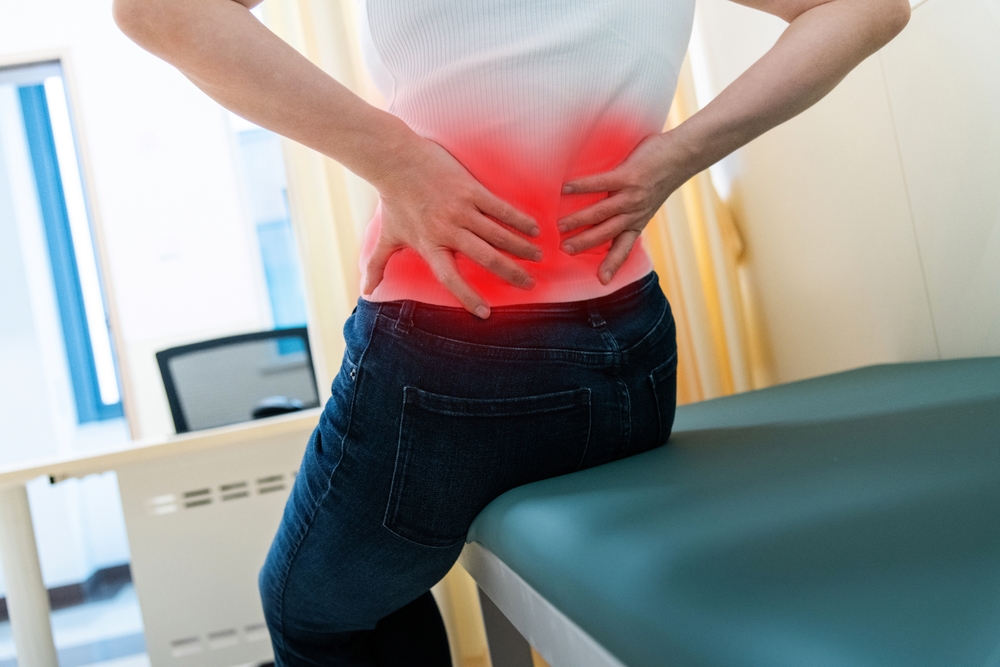
What a Lower Back Pain Specialist Doctor Does
Lower back pain doctors specialize in diagnosing and treating conditions affecting the lumbar spine—the five vertebrae in your lower back that bear most of your body’s weight and handle tremendous forces during daily activities. These specialists understand the complex interplay between bones, discs, nerves, muscles, and ligaments in this critical region.
Our team includes orthopedic physicians focusing on structural issues, physical medicine and rehabilitation doctors emphasizing function restoration, chiropractors addressing spinal alignment, and physical therapists specializing in lumbar conditions. This multidisciplinary approach ensures you benefit from comprehensive expertise rather than a single perspective.
Common Lower Back Conditions We Diagnose
Our lower back pain doctors treat a wide range of lumbar spine conditions:
- Lumbar disc herniation causing nerve compression and radiating leg pain
- Degenerative disc disease resulting from natural aging and disc wear
- Lumbar spinal stenosis narrowing the spinal canal and creating nerve pressure
- Facet joint syndrome causing localized lower back pain and stiffness
- Sacroiliac joint dysfunction affecting the connection between spine and pelvis
- Muscle strains and ligament sprains from acute injuries or chronic overuse
- Sciatica with pain radiating from lower back through buttock and down the leg
- Spondylolisthesis where lumbar vertebrae slip out of proper alignment
- Compression fractures from osteoporosis or trauma
Each condition requires specific diagnostic approaches and targeted treatment—highlighting why specialized care produces better outcomes than generic pain management.
Understanding Why Lower Back Pain Develops
Multiple factors contribute to lower back pain, often working in combination:
Mechanical stress from improper lifting, poor posture, or repetitive movements accumulates damage over time. Your lumbar spine handles tremendous forces—up to several times your body weight during certain activities—making it vulnerable to injury when mechanics are suboptimal.
Age-related degeneration gradually affects lumbar discs, vertebrae, and joints. Discs lose water content and height, vertebrae may develop bone spurs, and facet joints can become arthritic. While these changes are normal parts of aging, they become symptomatic depending on severity and individual factors.
Weak core muscles fail to adequately support the lumbar spine. Your abdominal, back, and hip muscles work together to stabilize your lower back—when weak or imbalanced, excessive stress transfers to spinal structures.
Prolonged sitting places sustained pressure on lumbar discs and creates postural strain. Modern lifestyles involving hours of sitting daily contribute significantly to lower back problems.
Excess body weight increases mechanical loading on the lumbar spine and shifts your center of gravity forward, creating compensatory postural changes that stress lower back structures.
Previous injuries may create chronic problems even after initial healing. Altered biomechanics from old injuries can cause issues months or years later.
Psychological stress can manifest as muscle tension and pain in the lower back. The mind-body connection in chronic pain is significant and often overlooked.
Comprehensive Diagnostic Evaluation
Effective treatment starts with accurate diagnosis. Our lower back pain doctors conduct thorough evaluations:
Detailed pain history exploring when discomfort began, what activities make it better or worse, previous treatments tried, and how pain affects your daily life and sleep.
Physical examination assessing lumbar range of motion, posture, gait, muscle strength, reflexes, and specific provocative tests identifying pain sources.
Advanced imaging when indicated including X-rays showing bone structure and alignment, MRI revealing soft tissue details like discs and nerve compression, and CT scans providing detailed bone anatomy for complex cases.
Functional assessment observing how you move and identifying biomechanical patterns contributing to your pain helps us understand not just what hurts but why.
Treatment Options from Your Lower Back Pain Doctor
We offer comprehensive treatment approaches tailored to your specific diagnosis:
Physical Therapy and Exercise
Targeted exercise programs strengthen core muscles, improve flexibility, and restore proper movement patterns. We emphasize functional training that translates to real-world activities, not just gym exercises.
Chiropractic Care for Lower Back Pain
Spinal adjustments restore proper joint motion and alignment, reducing nerve irritation and muscle tension. Our chiropractors use evidence-based techniques tailored to your specific condition and comfort level.
Regenerative Medicine
Advanced treatments like platelet-rich plasma (PRP) therapy harness your body’s healing capacity to repair damaged tissues and reduce chronic inflammation, offering promising results for conditions with previously limited options.
Targeted Injections
When appropriate, epidural steroid injections, facet joint injections, or sacroiliac joint injections provide pain relief while allowing participation in physical therapy. These procedures deliver medication precisely where needed.
Minimally Invasive Procedures
For conditions not responding to conservative care, minimally invasive techniques offer surgical benefits with less tissue damage and faster recovery than traditional open procedures.
When to See a Lower Back Pain Doctor
Schedule an evaluation if your lower back pain persists beyond a few weeks despite home care, progressively worsens over time, radiates down your leg below the knee, causes numbness or weakness in your legs or feet, is accompanied by unexplained weight loss or fever, follows a significant injury, or significantly limits your ability to work or perform daily activities.
Early specialist evaluation prevents acute problems from becoming chronic and identifies serious conditions requiring prompt intervention.
Red-Flag Symptoms Requiring Emergency Care
Seek immediate medical attention if you experience sudden loss of bladder or bowel control, progressive leg weakness making walking difficult, numbness in the saddle region (inner thighs and buttocks), severe pain accompanied by fever suggesting infection, or severe pain following significant trauma.
The Value of Specialized Lower Back Care
Working with a lower back pain specialist doctor offers distinct advantages. Specialists have deeper understanding of lumbar spine anatomy and biomechanics. They offer more treatment options including advanced therapies not available in general practice. Their experience managing hundreds of lower back pain cases means they recognize patterns and solutions that less specialized providers might miss. Most importantly, specialists coordinate comprehensive care ensuring all treatment aspects work synergistically toward your recovery.
What to Expect During Your Appointment
Your initial visit typically lasts 45-60 minutes. We’ll discuss your pain history thoroughly, perform comprehensive physical examination, review any previous imaging or test results, and may order additional diagnostic studies. We’ll explain our findings clearly and outline treatment options with realistic expectations about timelines and outcomes.
We practice shared decision-making—you’ll understand the reasoning behind our recommendations and actively participate in choosing your treatment path.
Preventing Future Lower Back Problems
Our goal extends beyond eliminating current pain to preventing recurrence and optimizing your spinal health long-term. We teach proper lifting techniques and body mechanics, prescribe ongoing exercises maintaining core strength, help you create an ergonomic work environment, and identify lifestyle modifications reducing lower back stress. Many patients find that addressing their lower back pain motivates beneficial changes that improve their overall health and fitness beyond just their spine.
Watch to Learn More
Why Madison Medical
Our award-winning team combines extensive experience with ongoing training in the latest lower back treatment techniques and technologies. We handle over 1,200 patient visits weekly, giving us unmatched expertise in managing both common and complex lumbar spine conditions. Madison Medical provides insurance coverage clarity from your first consultation, helping you understand your benefits and financial responsibility upfront so treatment decisions aren’t complicated by insurance uncertainty.