

Living with Foot Arch Pain
That burning, aching sensation in your foot arch shouldn’t be something you just accept as part of daily life. Whether your discomfort started gradually or appeared suddenly after increased activity, effective foot arch pain treatment can restore your ability to walk, stand, and move without constantly thinking about your feet. Arch pain affects people of all activity levels—from runners logging miles to individuals whose jobs require prolonged standing—and finding the right treatment approach makes all the difference.
At Madison Medical, we recognize that foot arch pain often has multiple contributing factors. Our comprehensive evaluation identifies not just where you hurt, but why your pain developed in the first place. By addressing underlying biomechanical issues, muscle imbalances, and structural problems, we provide lasting relief rather than temporary symptom management.
What Is Foot Arch Pain?
Your foot arch—the curved structure along the underside of your foot—plays a crucial role in weight distribution, shock absorption, and balance. Three main arches work together: the medial longitudinal arch (inside of foot), lateral longitudinal arch (outside), and anterior transverse arch (across the ball). When tissues supporting these arches become strained, inflamed, or damaged, you experience arch pain.
The pain can manifest anywhere along the arch but commonly affects the medial arch area where the plantar fascia—a thick band of tissue connecting your heel to your toes—experiences the most stress. Arch pain often connects to or develops alongside plantar fasciitis, though other conditions can cause similar symptoms.
Recognizing Arch Pain Symptoms
Foot arch pain presents differently depending on the underlying cause, but common symptoms include:
- Sharp, burning, or aching sensation along the arch that worsens with activity
- Pain most noticeable during first steps in the morning or after sitting
- Increased discomfort after prolonged standing or walking
- Tenderness when pressing on the arch
- Swelling along the bottom of the foot
- Feeling that your arch is “collapsing” during weight-bearing
- Fatigue in foot muscles after minimal activity
Some people describe the sensation as having a stone bruise or feeling like they’re walking on marbles. The pain may radiate toward the heel or ball of the foot as compensatory stress affects adjacent areas.
What Causes Foot Arch Pain?
Multiple factors contribute to arch pain development, often working in combination:
Plantar fasciitis represents the most common cause, occurring when the plantar fascia develops microscopic tears and inflammation from repetitive stress. This condition creates characteristic heel and arch pain, especially noticeable with initial steps.
Flat feet or fallen arches lack normal arch support, causing the foot to roll inward excessively (overpronation). This abnormal movement pattern stresses muscles, tendons, and ligaments supporting the arch.
High arches concentrate pressure on fewer areas of the foot, creating stress points and overworking arch-supporting structures. This foot structure type paradoxically increases arch pain risk despite appearing to have “good” arches.
Posterior tibial tendon dysfunction occurs when the tendon supporting the arch weakens or tears. This progressive condition can lead to arch collapse if untreated.
Overuse injuries from sudden activity increases, inadequate footwear, or repetitive stress accumulate damage faster than tissues can repair. Runners, dancers, and people whose work requires prolonged standing are particularly vulnerable.
Weight gain places additional stress on arch-supporting structures. Even modest weight increases significantly impact foot loading during walking.
Aging naturally reduces tissue elasticity and arch support. The plantar fascia loses some flexibility, becoming more susceptible to strain and inflammation.
How We Diagnose Arch Pain
Accurate diagnosis ensures you receive appropriate treatment for foot arch pain. During your evaluation, we conduct comprehensive physical examination, observing your foot structure, arch height, and walking pattern. We assess specific points of tenderness and test muscle strength and flexibility.
Diagnostic imaging helps identify structural issues and rule out other conditions. X-rays reveal bone abnormalities, arthritis, or stress fractures. Ultrasound imaging allows real-time visualization of soft tissues, showing plantar fascia thickness and inflammation. For complex cases, MRI provides detailed views of tendons, ligaments, and other soft tissue structures.
Our Comprehensive Treatment for Foot Arch Pain
Effective treatment combines multiple approaches addressing both symptoms and underlying causes:
Custom Orthotics
Prescription shoe inserts provide targeted arch support, correct biomechanical problems, and redistribute pressure away from painful areas. Unlike over-the-counter inserts, custom orthotics are designed specifically for your foot structure and condition.
Physical Therapy
Specialized exercises strengthen intrinsic foot muscles, improve flexibility, and correct movement patterns contributing to arch stress. Your therapist teaches stretches for the plantar fascia and calf muscles that reduce tension on the arch.
Regenerative Medicine
Platelet-rich plasma (PRP) injections deliver concentrated healing factors directly to damaged tissues, accelerating repair and reducing chronic inflammation. This treatment particularly benefits plantar fasciitis-related arch pain.
Plantar Fasciitis Arch Pain Treatment
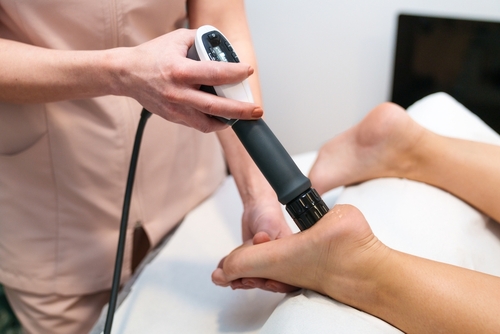
When plantar fasciitis causes your arch discomfort, we offer specialized approaches including shockwave therapy to stimulate healing, night splints maintaining plantar fascia stretch during sleep, and targeted anti-inflammatory treatments reducing acute flare-ups.
Activity Modification and Footwear Guidance
We help you identify activities or shoes contributing to your pain and suggest modifications supporting healing. Proper footwear with adequate arch support and cushioning significantly impacts recovery speed.
When to Seek Treatment
Don’t wait for arch pain to severely limit your activities. Schedule an evaluation if you experience persistent pain lasting more than a week despite rest, notice progressive worsening of symptoms, develop difficulty walking or standing, or find that over-the-counter remedies provide no relief.
Early intervention prevents acute inflammation from becoming chronic pain that’s harder to treat. The sooner you address arch problems, the faster you’ll return to comfortable movement.
Warning Signs Requiring Prompt Attention
Seek immediate evaluation if you experience sudden, severe arch pain following injury, notice visible arch collapse or foot deformity, develop numbness or tingling in the foot, or observe signs of infection like redness, warmth, or fever.
Why Timely Intervention Matters
Addressing arch pain early offers significant advantages. Acute inflammation responds much better to conservative treatments than chronic conditions do. Early treatment prevents compensatory problems in your ankles, knees, hips, and back that develop when you alter your gait to avoid foot pain. You’ll maintain your activity level and quality of life with prompt intervention, avoiding the frustration of prolonged limitations.
What to Expect During Your Visit
Your first appointment focuses on understanding your complete story—when arch pain began, activities that worsen it, previous foot problems, and your lifestyle demands. We perform detailed gait analysis and foot structure assessment. Based on our findings, we develop a personalized treatment plan and may fit you for custom orthotics during your initial visit.
Follow-up appointments allow us to monitor your progress and adjust treatment as needed. Most patients notice significant improvement within a few weeks of starting treatment, though complete resolution may take several months depending on condition severity.
Maintaining Healthy Arches
Recovery involves more than just eliminating current pain—it requires preventing recurrence. We teach you proper footwear selection, appropriate exercise progression, and daily stretches maintaining arch flexibility. You’ll learn to recognize early warning signs, allowing you to modify activity before minor irritation becomes significant inflammation.
Many patients discover that addressing their arch pain provides an opportunity to improve overall foot biomechanics, actually enhancing their comfort and performance beyond pre-injury levels.
Watch to Learn More
Why Choose Madison Medical
Madison Medical offers one-stop convenience with custom orthotic fitting, physical therapy, regenerative medicine, and primary care all available at one location—no need to coordinate between multiple providers. Our real-time imaging capabilities including ultrasound mean you get immediate diagnostic answers during your visit, accelerating your path to relief. Every treatment plan is personalized to your specific foot structure, activity level, and pain pattern, because we understand that no two patients experience arch pain exactly the same way.