


Understanding Minimally Invasive Spine Surgery
Minimally invasive spine surgery uses advanced techniques, specialized instruments, and real-time imaging to treat spinal conditions through smaller incisions with less muscle and tissue disruption than traditional open surgery. This modern approach offers significant benefits including reduced post-operative pain, shorter hospital stays, faster recovery, and lower complication rates while achieving the same excellent outcomes as conventional spinal procedures. Understanding who is a candidate for minimally invasive spine surgery and the types of minimally invasive spine surgery available helps you make informed decisions about treating your spinal condition.
At Madison Medical, our spine specialists utilize minimally invasive techniques when appropriate, combining advanced surgical expertise with comprehensive pre-operative evaluation and post-operative care that optimizes your results and recovery.
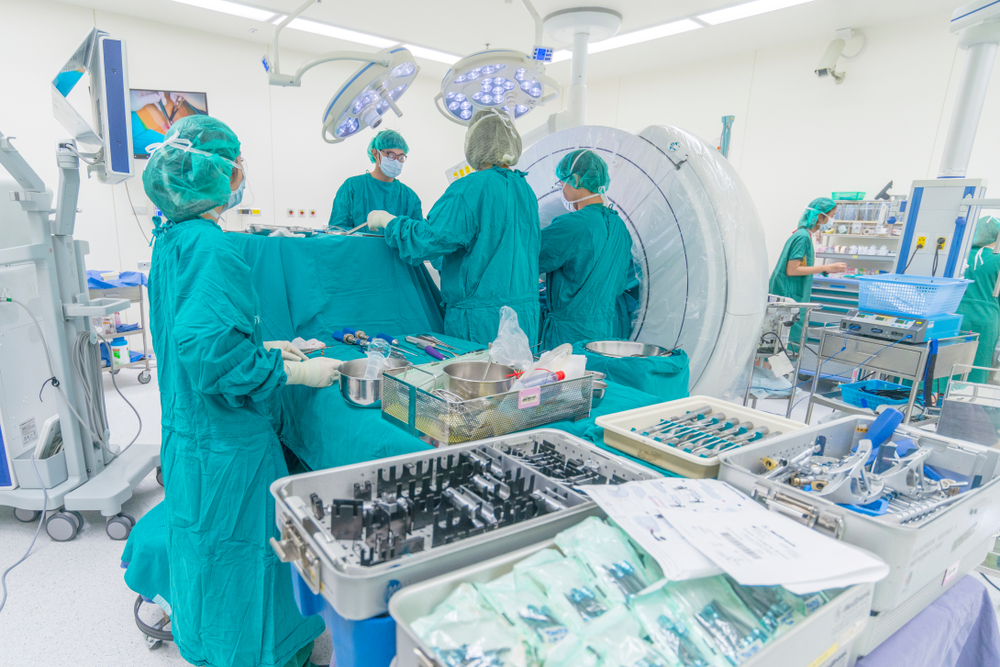
Types of Minimally Invasive Spine Surgery
Several procedures can be performed minimally invasively:
- Microdiscectomy for herniated disc removal causing sciatica
- Laminectomy decompressing spinal stenosis
- Spinal fusion stabilizing unstable segments
- Vertebroplasty and kyphoplasty treating compression fractures
- Foraminotomy enlarging nerve openings
- Artificial disc replacement preserving motion
- Tumor removal when accessible through minimally invasive approaches
Benefits Over Traditional Surgery
Minimally invasive techniques offer multiple advantages. Smaller incisions create less noticeable scars. Reduced muscle damage accelerates recovery and reduces post-operative pain. Less blood loss minimizes transfusion needs. Lower infection risk from smaller wounds. Shorter hospital stays, often just overnight or same-day discharge. Faster return to work and normal activities. Preserved muscle and soft tissue function. These benefits translate to better overall surgical experience while maintaining excellent long-term outcomes.
Who Is a Candidate for Minimally Invasive Spine Surgery?
Not all spinal conditions suit minimally invasive approaches. Ideal candidates typically have herniated discs causing nerve compression, spinal stenosis requiring decompression, spondylolisthesis needing stabilization, compression fractures from osteoporosis, or other conditions where adequate treatment is achievable through minimally invasive techniques. Patients with severe deformity, extensive multilevel disease, significant instability, or previous extensive surgery may require traditional open approaches providing better exposure and correction. Your spine surgeon evaluates your specific anatomy, pathology, and goals determining which approach best serves your needs.
The Surgical Process
Minimally invasive spine procedures use tubular retractors creating narrow surgical corridors to the spine, specialized instruments designed for working through small spaces, endoscopic cameras providing magnified visualization, and real-time fluoroscopy or navigation systems ensuring precision. Surgeons can perform complex procedures through incisions measuring just 1-2 inches, working between muscles rather than cutting through them. This muscle-sparing approach significantly reduces tissue trauma while accomplishing the same surgical goals as traditional techniques.
Recovery Expectations
Recovery progresses faster than traditional spine surgery. Most patients walk within hours of surgery. Hospital stays typically last overnight or allow same-day discharge depending on the procedure. Pain is generally less severe and requires fewer narcotic medications. Physical therapy begins quickly, emphasizing proper body mechanics and gradual activity progression. Many patients return to desk work within 2-4 weeks and more physically demanding jobs by 6-12 weeks. Full recovery varies by procedure but typically requires 3-6 months. The reduced tissue trauma means rehabilitation focuses on building confidence and strength rather than extensive healing from muscle damage.
Risks and Considerations
While minimally invasive approaches reduce certain risks, all surgery carries potential complications including infection, bleeding, nerve injury, cerebrospinal fluid leaks, or inadequate correction of the underlying problem. Minimally invasive techniques require specialized training and equipment. Choosing experienced surgeons with high minimally invasive procedure volumes significantly reduces complication risks. Your surgeon discusses specific risks applicable to your situation.
Long-Term Outcomes
Research shows minimally invasive spine surgery achieves equivalent outcomes to traditional approaches for appropriate conditions while offering recovery advantages. Symptom relief rates, complication rates, and need for revision surgery are comparable. Most patients report high satisfaction with their results and appreciate the faster recovery minimally invasive techniques provide.
Watch to Learn More
Why Choose Madison Medical
Our multispecialty approach brings together specialists from multiple disciplines, ensuring coordinated comprehensive care throughout your treatment journey. With 1,200+ weekly patient volume gives us unmatched expertise in managing both routine and complex cases, one-stop convenience with integrated physical therapy, chiropractic care, and primary services all under one roof.