
Understanding ACL Prevention
ACL injuries can sideline athletes for months and significantly impact long-term knee health, but many tears are preventable through proper training and technique. Whether you’re a competitive athlete, weekend warrior, or simply want to protect your knees during daily activities, understanding effective acl prevention strategies empowers you to reduce your injury risk substantially. Research clearly shows that structured prevention programs can decrease ACL tear rates by 50% or more—making prevention efforts one of the most valuable investments in your athletic longevity and knee health.
At Madison Medical, we don’t just treat ACL injuries—we help athletes and active individuals prevent them through evidence-based training programs, biomechanical assessment, and education about proper movement patterns. Our comprehensive approach to preventing acl injuries combines the latest sports medicine research with practical, implementable strategies that fit your specific sport and activity level.
Why ACL Prevention Matters
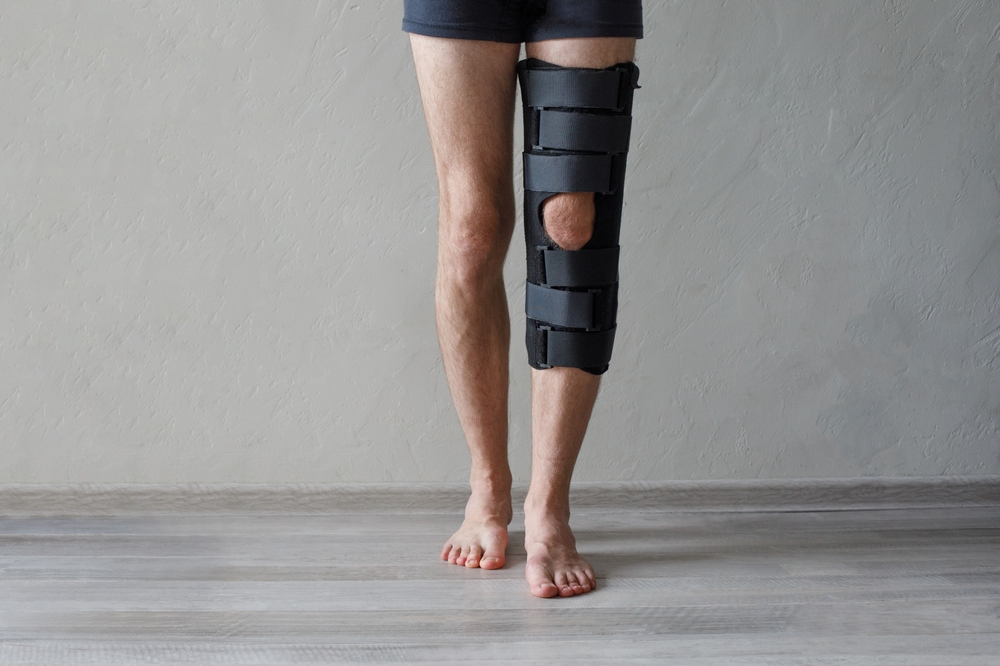
The anterior cruciate ligament (ACL) is one of four major ligaments stabilizing your knee joint. It prevents your tibia (shinbone) from sliding forward relative to your femur (thighbone) and provides rotational stability during cutting, pivoting, and jumping movements. ACL tears are among the most common and devastating sports injuries, typically requiring surgical reconstruction and 6-12 months of rehabilitation before returning to sports.
Beyond the immediate impact, ACL injuries significantly increase your risk of developing knee arthritis later in life—even with successful surgical repair. Prevention isn’t just about avoiding surgery and rehab time; it’s about protecting your long-term knee health and maintaining your ability to stay active throughout your life.
Who’s at Risk for ACL Injuries?
While anyone can tear their ACL, certain groups face elevated risk:
- Female athletes have 2-8 times higher ACL injury rates than males in similar sports due to anatomical, hormonal, and biomechanical factors
- Athletes in high-risk sports including soccer, basketball, football, skiing, and volleyball that involve cutting, pivoting, and jumping
- Young athletes during growth spurts when neuromuscular control may not keep pace with rapid changes in body dimensions
- Athletes returning from previous ACL injuries face higher risk of reinjury
- Individuals with certain anatomical factors like narrow intercondylar notch, increased tibial slope, or alignment issues
- Athletes with inadequate strength, especially hamstring weakness relative to quadriceps
- Those with poor landing mechanics, knee valgus collapse, or decreased hip control
Understanding your risk factors allows you to implement targeted prevention strategies addressing your specific vulnerabilities.
How to Prevent ACL Injury: Evidence-Based Strategies
Effective ACL prevention combines multiple approaches:
Neuromuscular training programs teach your body proper movement patterns that protect your ACL. These structured programs include exercises improving balance, coordination, and the ability to control your knee position during dynamic movements. Research consistently shows that athletes completing neuromuscular training programs reduce ACL injury risk by 50% or more.
Plyometric training focuses on proper landing mechanics. Most non-contact ACL tears occur during landing from jumps or sudden deceleration. Learning to land softly, with knees aligned over feet rather than collapsing inward, dramatically reduces ACL stress. Plyometric exercises progress from basic two-leg jumps to advanced single-leg landings, building the strength and control needed for sport-specific movements.
Strength training targeting key muscle groups provides dynamic knee stability. Strong hamstrings help the ACL control forward tibial motion. Hip strength, particularly hip abductors and external rotators, prevents the knee valgus collapse associated with ACL tears. Core stability ensures proper transfer of forces through your kinetic chain. A balanced strength program addresses all these areas.
Balance and proprioception training enhances your body’s awareness of knee position and improves reactive stability. Single-leg balance exercises, wobble board training, and perturbation exercises challenge your neuromuscular system to maintain knee stability under varying conditions.
Proper technique coaching in sport-specific movements teaches you to cut, pivot, and land using ACL-protective mechanics. Many ACL tears occur during specific movement patterns that can be modified through proper coaching and practice.
Preventing ACL Injuries in Female Athletes
Female athletes face unique risk factors requiring specific attention:
Anatomical considerations including wider pelvis creating different knee alignment angles (Q-angle) and narrower intercondylar notch where the ACL sits contribute to higher injury rates. While these factors can’t be changed, awareness allows implementation of compensatory training strategies.
Hormonal influences may affect ligament laxity, particularly during certain phases of the menstrual cycle. Some research suggests ACL injury rates vary across the cycle, though findings remain inconclusive. Regardless, consistent prevention training provides protection.
Neuromuscular differences include tendency toward greater quadriceps dominance and less hamstring activation, along with decreased hip and core control leading to knee valgus during landing and cutting. Targeted training addressing these specific patterns significantly reduces risk.
ACL prevention programs specifically designed for female athletes address these factors, producing dramatic injury rate reductions in multiple studies.
Components of Effective Prevention Programs
Comprehensive ACL prevention includes:
Warm-up Protocols
Dynamic warm-ups activating key muscle groups and preparing neuromuscular systems for athletic demands. Prevention exercises integrated into pre-practice routines ensure consistent implementation.
Progressive Training
Programs start with basic movements and progress to sport-specific, high-intensity exercises as competency improves. Gradual progression builds capacity without overwhelming athletes or creating injury risk from the prevention program itself.
Feedback and Correction
Athletes need coaching on proper form and feedback when movement patterns deviate from optimal. Video analysis, real-time coaching, and periodic reassessment ensure exercises are performed correctly.
Consistency
Prevention programs work when implemented consistently throughout the season. Studies show reduced compliance late in season when teams abandon prevention exercises despite this being when fatigue increases injury risk.
Age-Appropriate ACL Prevention
Prevention strategies should match developmental stage. Youth athletes benefit from fundamental movement skill development, proper landing mechanics, and age-appropriate strength training. Adolescents during growth spurts need particular attention as rapid changes create temporary vulnerability. Adult athletes require maintenance programs addressing age-related changes in flexibility, strength, and neuromuscular control.
Sport-Specific Prevention
While general principles apply across sports, specific prevention strategies can target movements particular to your activity:
Soccer players need emphasis on cutting mechanics and single-leg landing control. Basketball players require focus on jump-landing sequences and defensive positioning. Skiers benefit from training addressing the specific positions and forces during skiing. Football players need attention to contact situations and rapid direction changes.
Sport-specific training ensures prevention exercises translate to actual game situations.
When to Start Prevention Training
Ideally, ACL prevention training begins before athletic participation in high-risk sports, establishing proper movement patterns from the start. However, it’s never too late to begin—athletes at any level benefit from prevention programs. Pre-season training preparing athletes for sport demands is an ideal time to introduce or reinforce prevention exercises.
Implementing Prevention Programs
Successful implementation requires commitment from athletes, coaches, and training staff. Programs typically require 15-20 minutes, 2-3 times weekly during season. Pre-season training may include more frequent sessions building foundational strength and technique. The key is making prevention part of regular training routine rather than an optional add-on.
Beyond Exercise: Additional Prevention Strategies
While neuromuscular training forms the core of ACL prevention, other factors contribute:
Proper equipment including well-fitted footwear appropriate for your sport provides necessary traction without excessive grip that can cause knee twisting. Playing surface conditions matter—wet or uneven fields increase injury risk. Adequate rest and recovery prevents fatigue that compromises neuromuscular control. Gradual return to sport after time off allows reconditioning before full participation.
What to Expect from Prevention Training
Athletes typically notice improved agility, jumping ability, and overall athletic performance alongside injury risk reduction. Prevention training makes you a better, more efficient athlete while protecting your knees. Initially, exercises may feel challenging as you develop new movement patterns, but most athletes adapt within a few weeks. The time investment yields substantial returns in both performance and injury prevention.
Watch to Learn More
Why Choose Madison Medical
Our award-winning team combines extensive experience with ongoing training in the latest surgical techniques and technologies. We offer 1,200+ weekly patient volume gives us unmatched expertise in managing both routine and complex cases. Insurance coverage clarity from your first consultation helps you understand benefits and costs upfront.