
Expert Treatment for Athletic Injuries
Whether you’re a competitive athlete, weekend warrior, or fitness enthusiast, athletic injuries can sideline you from the activities you love. Getting expert treatment for athletic injuries means faster recovery, better outcomes, and reduced risk of re-injury or chronic problems. Sports medicine specialists understand the unique demands placed on athletic bodies and can develop treatment plans that not only heal your injury but get you back to peak performance.
At Madison Medical, we provide comprehensive care for athletes at every level. Our sports medicine specialists diagnose and treat the full spectrum of athletic injuries, from acute trauma to overuse conditions. We understand that athletes want to return to their sport as quickly and safely as possible, and we develop individualized treatment plans that balance optimal healing with your performance goals.
What Might Confirm the Worst for an Athlete’s Injury
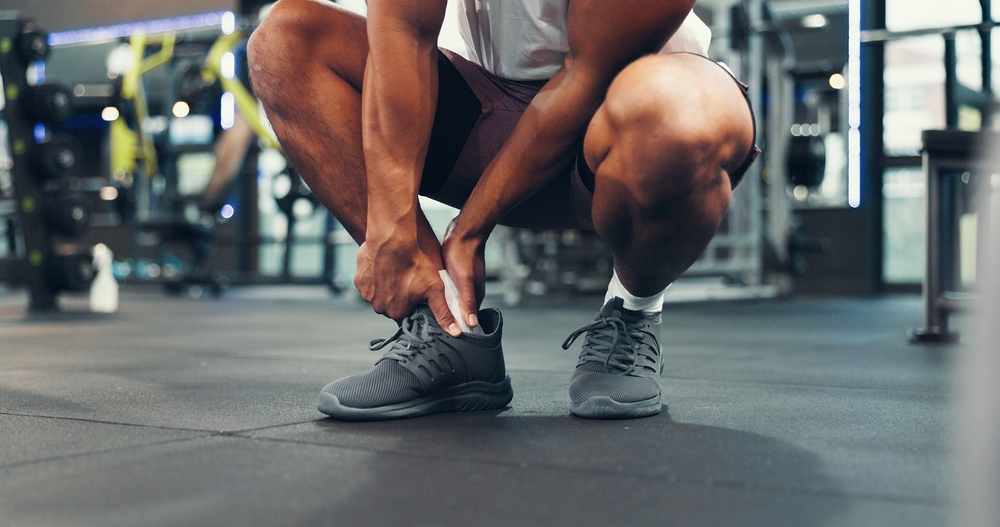
Certain signs suggest serious injury requiring immediate medical attention. Severe pain that doesn’t improve with rest, visible deformity, significant swelling developing within minutes, inability to bear weight or use the injured body part, and numbness or tingling all warrant urgent evaluation. A “pop” or “snap” sound at the time of injury often indicates ligament or tendon damage.
Diagnostic imaging helps confirm injury severity. X-rays reveal fractures and dislocations. MRI provides detailed views of soft tissues—ligaments, tendons, cartilage, and muscles—allowing accurate diagnosis of tears and other damage. CT scans offer detailed bone imaging when needed. Ultrasound provides dynamic evaluation of tendons and muscles during movement.
Physical examination by an experienced sports medicine specialist often provides essential diagnostic information. Specific provocative tests stress individual structures to identify injury location and severity. Comparing findings to the uninjured side reveals asymmetries indicating damage.
Common Sports Injuries We Treat
Sprains affect ligaments—the tough bands connecting bones at joints. Ankle sprains are among the most common sports injuries, ranging from mild stretching to complete ligament tears. Knee ligament injuries including ACL, MCL, and PCL tears frequently occur in cutting and pivoting sports. Proper treatment prevents chronic instability.
Strains involve muscles and tendons. Hamstring strains sideline athletes across many sports. Calf strains, quadriceps injuries, and groin pulls are common in running and kicking sports. Severity ranges from minor fiber damage to complete ruptures requiring surgical repair.
Overuse injuries develop gradually from repetitive stress. Tendinitis affects tendons throughout the body—Achilles tendinitis, patellar tendinitis, and rotator cuff tendinitis are particularly common. Stress fractures occur when bones can’t keep up with the demands placed on them. These injuries require rest and activity modification to heal.
Common Sports Injuries
- Ankle sprains: Ligament injuries from rolling or twisting the ankle
- Knee injuries: ACL tears, meniscus tears, patellar problems
- Shoulder injuries: Rotator cuff tears, labral injuries, dislocations
- Muscle strains: Hamstring, calf, quadriceps, groin injuries
- Tendinitis: Achilles, patellar, rotator cuff inflammation
- Stress fractures: Overuse bone injuries in feet, shins, and other areas
Treatment Approaches
Acute injury management follows established principles. Rest protects injured tissues from further damage. Ice reduces swelling and pain in the initial 48-72 hours. Compression limits swelling. Elevation uses gravity to reduce fluid accumulation. These measures set the stage for optimal healing.
Physical therapy is central to athletic injury recovery. Rehabilitation progresses through phases—protecting healing tissue, restoring range of motion, rebuilding strength, and finally returning to sport-specific activities. Working with therapists experienced in treating athletes ensures appropriate progression.
Advanced treatments may accelerate healing or address injuries not responding to conservative care. Platelet-rich plasma (PRP) injections concentrate your body’s healing factors and deliver them directly to injured tissue. Regenerative medicine options continue expanding for appropriate patients.
Surgical Options When Needed
Some injuries require surgical repair for optimal outcomes. Complete ACL tears in active athletes typically need reconstruction to restore knee stability. Significant meniscus tears may require repair or partial removal. Large rotator cuff tears often benefit from surgical repair. Achilles tendon ruptures in athletes usually require surgery for return to high-level activity.
Modern sports surgery emphasizes minimally invasive arthroscopic techniques when possible, reducing tissue disruption and speeding recovery. Post-operative rehabilitation is as important as the surgery itself—comprehensive therapy protocols optimize outcomes.
Returning to Sport Safely
Return-to-sport decisions balance injury healing with performance goals. Returning too quickly risks re-injury and potentially worse outcomes. Objective criteria—strength testing, functional assessments, sport-specific skills—help determine readiness rather than arbitrary timelines.
Graduated return protocols progress from light activity through sport-specific training to full competition. Each phase must be completed successfully before advancing. This systematic approach minimizes re-injury risk while getting athletes back to competition as efficiently as possible.
Addressing factors that contributed to injury prevents recurrence. Correcting movement patterns, strengthening weak areas, improving flexibility, and modifying training loads all reduce future injury risk.
Preventing Athletic Injuries
Prevention is always preferable to treatment. Proper warm-up prepares muscles for activity. Gradual increases in training intensity allow tissue adaptation. Appropriate rest and recovery between sessions prevents overuse injuries. Sport-specific conditioning addresses the unique demands of your activities.
Proper technique and equipment reduce injury risk. Working with coaches on mechanics, using appropriate footwear and protective equipment, and ensuring proper fitting all help prevent injuries.
Why Madison Medical for Athletic Injuries?
Our sports medicine specialists understand athletes and their goals. Madison Medical sees over 1,200 patients weekly, with extensive experience treating injuries across all sports and activity levels. We offer comprehensive diagnostics including MRI, ultrasound, and advanced treatment options including PRP therapy.
Our goal is getting you back to your sport safely and quickly. We develop individualized treatment plans that optimize healing while keeping your performance goals in mind. Most major insurance accepted at our convenient New Jersey locations.
Watch to Learn More
Get Back in the Game
Athletic injuries don’t have to end your season or your athletic career. With expert diagnosis and treatment, most athletes return to their previous level of activity. Early evaluation allows more treatment options and typically produces better outcomes.
Contact Madison Medical to schedule your sports injury evaluation. Our specialists will diagnose your injury and develop a treatment plan to get you back to the activities you love as safely and quickly as possible.