


Choosing the Right Joint Replacement Surgeon
When severe joint arthritis significantly limits your quality of life despite conservative treatments, selecting an experienced joint replacement surgeon becomes one of the most important healthcare decisions you’ll make. The surgeon’s expertise, technique, and patient outcomes directly impact your surgical experience, recovery timeline, and long-term results. Whether you need hip, knee, shoulder, or other joint replacement, understanding what distinguishes excellent joint replacement specialists from average practitioners empowers you to make informed choices about your care and achieve the best possible outcome from this life-changing procedure.
At Madison Medical, our total joint replacement surgeons combine extensive training and high surgical volumes with comprehensive preoperative education and coordinated postoperative rehabilitation. We’re committed to helping you achieve excellent outcomes through meticulous surgical technique, patient-centered care, and ongoing support throughout your recovery journey.
What Joint Replacement Surgeons Do
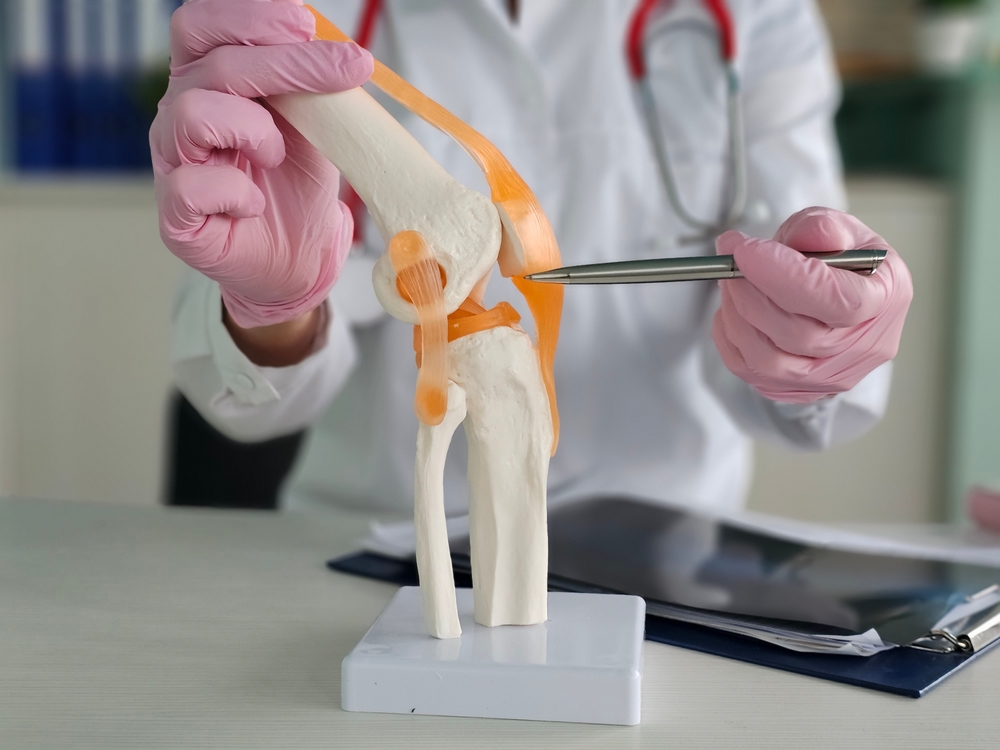
Joint replacement surgeons are orthopedic surgeons specializing in removing damaged joints and replacing them with artificial implants. These specialists have completed medical school, orthopedic surgery residency, and often additional fellowship training focusing specifically on joint reconstruction. They possess detailed knowledge of joint anatomy, biomechanics, implant design, surgical techniques, and managing complications should they arise.
Beyond surgical skill, excellent joint replacement specialists provide comprehensive care including preoperative evaluation and optimization, patient education about what to expect, precise surgical technique minimizing tissue trauma, appropriate pain management, and coordination with rehabilitation teams facilitating optimal recovery.
Joints Commonly Replaced
Joint replacement surgeons perform procedures on various joints:
- Hip replacement for severe arthritis, avascular necrosis, or fractures not amenable to repair
- Knee replacement including total and partial replacements based on arthritis extent
- Shoulder replacement for arthritis or complex fractures
- Ankle replacement for end-stage ankle arthritis
- Elbow replacement for severe arthritis or fractures
- Revision joint replacement correcting problems from previous surgeries
Each joint requires specific expertise surgeons typically focus on particular joints where they develop exceptional skill through high volumes and ongoing training.
What Makes an Excellent Total Joint Replacement Surgeon
Several factors distinguish exceptional surgeons:
High surgical volume correlates strongly with better outcomes. Surgeons performing 50+ joint replacements yearly have significantly lower complication rates than those doing fewer. Volume builds expertise through repetition and exposure to various situations.
Specialized training through fellowship programs provides focused experience in joint replacement techniques, complex cases, and latest advances beyond general orthopedic residency.
Low complication rates indicate surgical skill and appropriate patient selection. Ask potential surgeons about their infection rates, revision rates, and how their outcomes compare to national benchmarks.
Use of evidence-based techniques means surgeons stay current with research, adopting proven innovations while avoiding unproven fads. They can explain why they use particular approaches or implants.
Comprehensive programs including preoperative education classes, coordinated rehabilitation, and systematic follow-up ensure patients receive excellent care beyond the operating room.
Good communication helps you understand your condition, treatment options, realistic expectations, and recovery process. Excellent surgeons welcome questions and provide thoughtful, understandable answers.
Questions to Ask Your Joint Replacement Specialist
When selecting a surgeon, ask:
How many of these procedures do you perform yearly? Higher volumes generally indicate better outcomes. What are your complication rates? Transparency about outcomes demonstrates confidence and accountability. What surgical approach will you use and why? Understanding their technique and rationale provides insight into their expertise. What implants do you use? Surgeons should use well-studied implants with proven track records. What’s your revision rate? How often do patients require additional surgery? What’s the typical recovery timeline? Understanding expectations helps you prepare appropriately.
Don’t hesitate to seek second opinions if you’re uncertain or uncomfortable with recommendations.
The Importance of Surgical Volume
Research consistently shows surgeon and hospital volume significantly impacts joint replacement outcomes. High-volume surgeons have lower infection rates, fewer revisions, better implant positioning, and lower mortality. Hospitals performing many joint replacements develop systems and protocols optimizing care. While volume isn’t everything, it’s an important consideration when choosing your surgeon.
What to Expect from Your Surgeon
Throughout your care, your joint replacement surgeon provides:
Thorough evaluation confirming you’re an appropriate surgical candidate and optimizing medical conditions before surgery. Clear communication about procedure details, expected outcomes, potential risks, and recovery timeline. Meticulous surgical technique performing your procedure with precision and attention to detail. Appropriate pain management balancing effective pain control with minimizing medication risks. Coordination with rehabilitation ensuring physical therapists understand your specific needs. Ongoing follow-up monitoring your progress and addressing concerns as they arise.
Specialized Techniques
Many joint replacement specialists offer advanced approaches including minimally invasive surgery using smaller incisions and tissue-sparing techniques, computer-assisted surgery improving implant positioning accuracy, rapid recovery protocols allowing faster return to activities, and revision surgery expertise for patients needing repeat procedures.
Ask potential surgeons which techniques they use and why they believe these approaches benefit patients.
Preparing for Joint Replacement
Your surgeon guides preparation including medical optimization managing conditions like diabetes or heart disease, preoperative education teaching what to expect, home preparation arranging help and modifying your environment, and physical conditioning when possible to facilitate faster recovery.
Proper preparation significantly impacts your surgical experience and outcome.
Long-Term Outcomes
Modern joint replacements typically last 15-25+ years with excellent function. Over 95% of patients report significant pain relief and improved quality of life. Complications are relatively rare with experienced surgeons. Your joint replacement specialist monitors your implant long-term through periodic follow-up, though most patients return to normal activities with minimal restrictions after initial recovery.
Watch to Learn More
Why Choose Madison Medical
We offer same-day appointments because we understand your needs require prompt evaluation and consultation without long delays. Our one-stop convenience with integrated physical therapy, chiropractic care, and primary services all under one roof. 1,200+ weekly patient volume gives us unmatched expertise in managing both routine and complex cases.