

Understanding Minimally Invasive Hip Replacement
When severe hip arthritis significantly limits your quality of life despite conservative treatments, minimally invasive hip replacement offers a modern surgical solution with smaller incisions, less tissue damage, and faster recovery than traditional approaches. While the end result—a new hip joint—remains the same, how minimally invasive hip replacement surgeons access and replace your damaged joint makes a substantial difference in your surgical experience and recovery timeline. Understanding this advanced technique helps you make informed decisions about your hip replacement journey and find qualified surgeons offering this approach.
At Madison Medical, our orthopedic team includes experienced minimally invasive hip replacement surgeons who combine advanced surgical techniques with comprehensive pre-operative planning and post-operative care. We’re committed to helping you achieve excellent outcomes with the least invasive approach appropriate for your specific anatomy and condition.
What Is Minimally Invasive Hip Replacement Surgery?
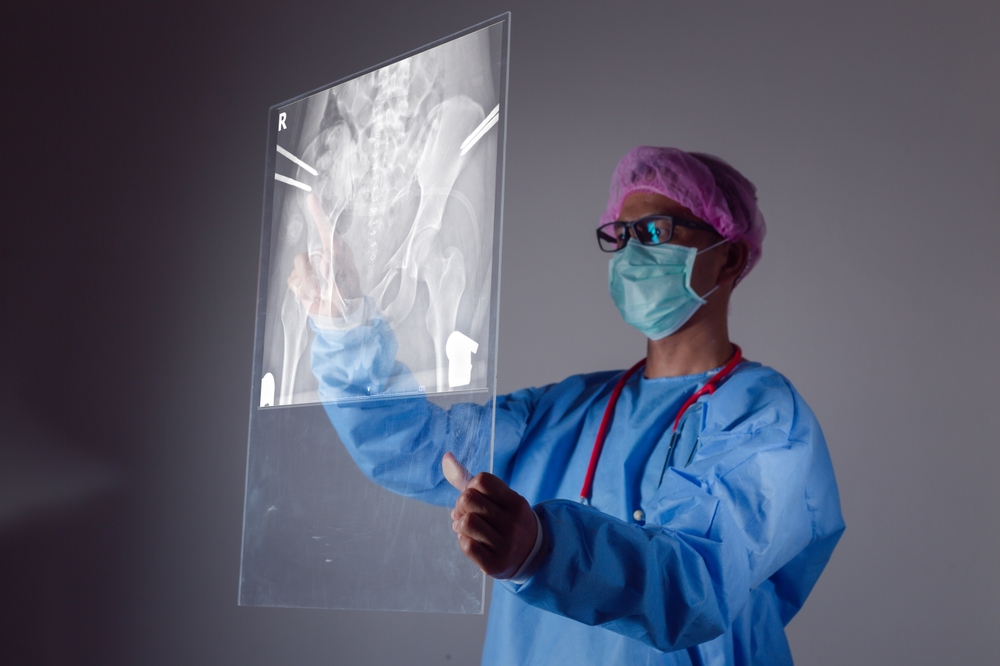
Minimally invasive hip replacement surgery uses smaller incisions and specialized instruments to replace your damaged hip joint while preserving more surrounding soft tissue than traditional techniques. Rather than cutting through major muscles to access the hip joint, surgeons work between or around muscles, minimizing trauma. Incisions typically measure 3-6 inches compared to 8-10 inches with traditional approaches.
The implants used are the same proven hip replacement components used in traditional surgery—the “minimally invasive” refers to the surgical approach, not the artificial joint itself. This technique requires specialized training and equipment but offers significant advantages for appropriately selected patients.
Benefits of Minimally Invasive Hip Replacement
This advanced approach offers multiple advantages:
- Smaller incisions creating less noticeable scars and improved cosmetic outcomes
- Reduced muscle and soft tissue damage accelerating recovery and reducing post-operative pain
- Shorter hospital stays, often allowing same-day or next-day discharge
- Faster return to normal activities compared to traditional approaches
- Less blood loss during surgery reducing transfusion needs
- Lower infection and complication risks associated with smaller surgical wounds
- Improved hip strength and function due to muscle preservation
- Reduced limping and need for assistive devices during recovery
These benefits translate to quicker return to work, driving, and activities you enjoy while achieving the same excellent long-term implant survival as traditional techniques.
Types of Minimally Invasive Approaches
Several techniques fall under minimally invasive hip replacement surgery:
Anterior approach accesses the hip joint from the front of your hip through a natural interval between muscles. This muscle-sparing technique preserves hip abductors and external rotators, potentially allowing faster recovery and lower dislocation risk. It provides excellent visualization and component placement but requires specific surgical table and imaging equipment.
Posterior approach with modifications accesses the hip from behind using minimized incisions and muscle-sparing techniques. Traditional posterior approaches divided muscles and tendons that must heal; modern modifications work around these structures. This familiar approach can be adapted to minimally invasive techniques while maintaining surgeon comfort and accuracy.
Lateral approach variations access the hip from the side with modifications reducing muscle trauma compared to traditional lateral approaches. These techniques aim to preserve more abductor muscle function while providing good joint access.
The best approach for you depends on your anatomy, body habitus, surgeon experience, and specific hip pathology. The best doctors for minimally invasive hip replacement have expertise in multiple approaches, selecting the optimal technique for each patient.
Who Is a Candidate?
While minimally invasive techniques benefit many patients, not everyone qualifies. Ideal candidates typically have:
Appropriate body habitus as significantly obese patients may not benefit from smaller incisions if extensive soft tissue necessitates larger exposure anyway. Relatively straightforward hip anatomy without severe deformity, previous surgeries, or bone loss requiring complex reconstruction. Primary hip arthritis rather than complex revision situations. Good overall health allowing quicker recovery protocols associated with minimally invasive approaches.
However, surgical technique advances continuously expand candidacy. Experienced surgeons can perform minimally invasive procedures in increasingly complex situations. Individual evaluation with qualified minimally invasive hip replacement surgeons determines your specific candidacy.
Preparing for Surgery
Preparation optimizes your outcome. Pre-operative evaluation includes medical clearance ensuring you’re healthy for surgery, imaging studies for surgical planning, and often pre-operative education classes teaching you what to expect. Physical therapy may begin before surgery, teaching exercises you’ll use during recovery. Optimizing nutrition, managing chronic conditions, and stopping smoking if applicable improves healing.
Home preparation includes arranging help for the first days after surgery, setting up your recovery space to minimize stair climbing and facilitate independence, and obtaining any needed equipment like raised toilet seats or shower chairs.
What to Expect During Recovery
Recovery from minimally invasive hip replacement surgery typically progresses faster than traditional approaches:
Hospital stay often lasts just one night or even allows same-day discharge for selected patients meeting appropriate criteria. You’ll begin walking with assistance within hours of surgery.
First few weeks focus on wound healing, pain management, and regaining basic mobility and strength. Most patients discontinue narcotic pain medication within 2-3 weeks. Physical therapy emphasizes proper walking, hip precautions, and gentle strengthening.
Weeks 3-6 bring progressive return to normal activities. Many patients drive by 3-4 weeks (when off narcotics and with adequate hip control). Return to desk work often occurs by 4-6 weeks. Physical therapy progresses to more challenging strengthening and balance exercises.
Months 2-6 continue recovery with return to most normal activities including exercise, though high-impact activities may require longer. Full recovery including maximal strength typically requires 3-6 months, though most daily activities resume much earlier.
The muscle-sparing nature of minimally invasive approaches means less rehabilitation focusing on muscle recovery and more on building strength and confidence with your new hip.
Risks and How We Minimize Them
All surgery carries risks, though minimally invasive hip replacement may reduce certain complications. Potential concerns include infection, blood clots, nerve or blood vessel injury, leg length discrepancy, hip dislocation, and implant problems. We minimize these through meticulous surgical technique, appropriate antibiotic and blood clot prophylaxis, careful pre-operative planning, patient education about hip precautions, and close post-operative monitoring.
Choosing experienced surgeons performing high volumes of minimally invasive hip replacements significantly reduces complication risks.
Long-Term Outcomes
Studies show minimally invasive hip replacement achieves equivalent or superior outcomes compared to traditional approaches. Implant survival rates remain excellent—most hip replacements last 20+ years. Patient satisfaction is high, with over 95% reporting significant pain relief and improved function. The minimally invasive approach provides these outcomes while offering recovery advantages that matter most in the first months after surgery.
Choosing Your Surgeon
Selecting qualified minimally invasive hip replacement surgeons significantly impacts your experience and outcome. Look for orthopedic surgeons with specific training in these techniques, high surgical volumes indicating experience, willingness to discuss their complication rates and outcomes, and comprehensive programs including pre-operative education and post-operative rehabilitation. Don’t hesitate to seek second opinions or ask detailed questions about surgeon experience and expected outcomes.
Watch to Learn More
Why Choose Madison Medical
Our multispecialty approach brings together specialists from multiple disciplines, ensuring coordinated comprehensive care throughout your treatment journey. We offer real-time imaging capabilities provide immediate diagnostic answers during your consultation, accelerating your treatment planning. Same-day appointments because we understand your needs require prompt evaluation and consultation without long delays.