

Finding the Right Diabetes Doctor
Managing diabetes requires more than occasional doctor visits—it demands a dedicated diabetes doctor who understands the complex nature of this chronic condition and provides comprehensive, coordinated care. Whether you’ve recently been diagnosed, struggle to keep your blood sugar controlled, or want to prevent complications, the right diabetes doctor makes the difference between simply living with diabetes and truly thriving despite it. Finding expert medical guidance helps you navigate treatment options, adjust to lifestyle changes, and maintain the best possible health outcomes.
At Madison Medical, our diabetes doctors take a holistic approach to your care. We understand that diabetes affects every aspect of your life—from what you eat and how you exercise to your energy levels and long-term health risks. Our team works with you to create personalized management strategies that fit your lifestyle while effectively controlling blood sugar and preventing complications.
What a Diabetes Doctor Does
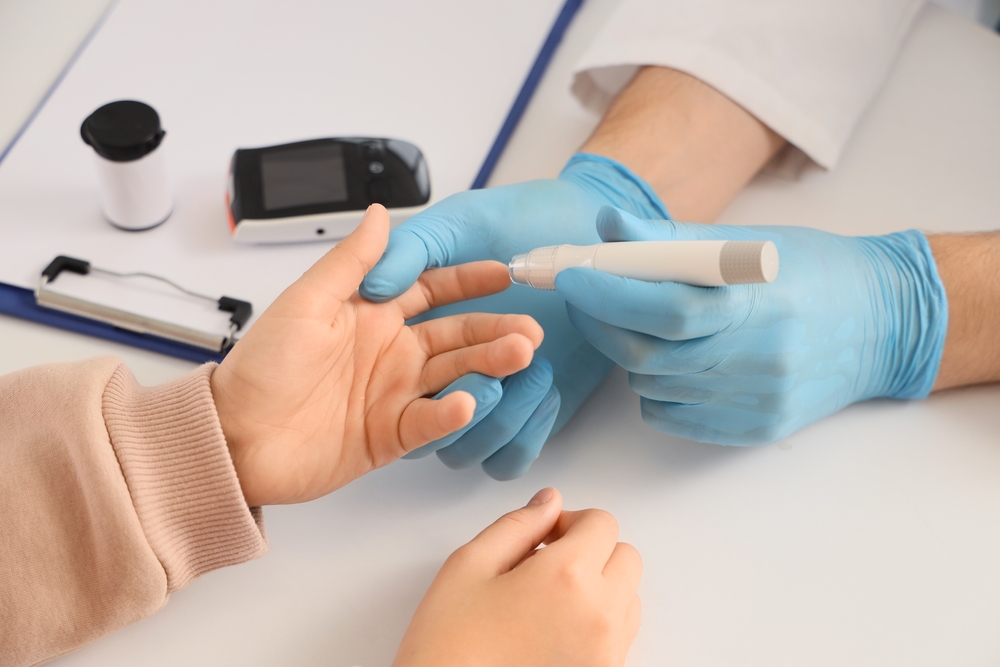
Diabetes doctors, also called endocrinologists or diabetologists, specialize in managing diabetes and related metabolic conditions. These physicians have advanced training beyond medical school focusing specifically on hormone systems and how they affect your body’s ability to process glucose. While primary care doctors can manage straightforward diabetes cases, specialists handle complex situations, difficult-to-control blood sugar, and complications affecting multiple body systems.
Your diabetes doctor coordinates all aspects of your care, including medication management, nutrition counseling, exercise prescription, complication screening, and education about your condition. They work closely with other specialists like ophthalmologists monitoring your eyes, podiatrists caring for your feet, and cardiologists protecting your heart—all areas vulnerable to diabetes-related damage.
Types of Diabetes We Treat
Our diabetes doctors provide expert care for all diabetes types:
- Type 1 diabetes requiring insulin therapy and careful carbohydrate management
- Type 2 diabetes managed through lifestyle modifications, oral medications, and sometimes insulin
- Prediabetes where early intervention can prevent progression to full diabetes
- Gestational diabetes developing during pregnancy and requiring specialized management
- Secondary diabetes caused by other medical conditions or medications
- Latent autoimmune diabetes in adults (LADA) with characteristics of both Type 1 and Type 2
Each type requires tailored treatment approaches—highlighting why specialized diabetes care produces better outcomes than generic disease management.
Understanding Diabetes Risk Factors and Causes
Diabetes develops through various mechanisms depending on type:
Type 2 diabetes results from insulin resistance and inadequate insulin production. Risk factors include obesity, physical inactivity, family history, age over 45, high blood pressure, abnormal cholesterol levels, polycystic ovary syndrome, and history of gestational diabetes.
Type 1 diabetes occurs when your immune system attacks insulin-producing cells in your pancreas. While the exact trigger is unknown, genetic susceptibility and environmental factors likely play roles. Family history increases risk, though many Type 1 diabetics have no family history of the condition.
Prediabetes shares Type 2 risk factors and represents a critical window for prevention. Lifestyle interventions during this stage can prevent or significantly delay diabetes development.
Gestational diabetes risk increases with obesity, family diabetes history, previous gestational diabetes, age over 25, and certain ethnic backgrounds. Hormonal changes during pregnancy affect insulin function, though blood sugar typically normalizes after delivery.
Comprehensive Diabetes Diagnosis
Accurate diagnosis requires specific blood tests:
Fasting plasma glucose measures blood sugar after an overnight fast. Levels of 126 mg/dL or higher on two separate tests indicate diabetes.
A1C test reflects average blood sugar over the past 2-3 months. A1C of 6.5% or higher suggests diabetes, while 5.7-6.4% indicates prediabetes.
Oral glucose tolerance test measures blood sugar before and two hours after drinking a glucose solution. Two-hour levels of 200 mg/dL or higher confirm diabetes.
Random plasma glucose of 200 mg/dL or higher plus diabetes symptoms suggests diabetes requiring confirmation with additional testing.
Your diabetes doctor also tests for autoantibodies in suspected Type 1 cases and assesses for complications affecting eyes, kidneys, nerves, and cardiovascular system.
Comprehensive Treatment from a Type 2 Diabetes Doctor
Managing Type 2 diabetes requires multi-faceted approaches:
Lifestyle Modifications
Nutrition counseling helps you understand carbohydrate management, portion control, and meal planning that stabilizes blood sugar. Exercise prescriptions tailored to your fitness level improve insulin sensitivity and support weight management. Even modest weight loss significantly improves blood sugar control.
Oral Medications
Multiple medication classes treat Type 2 diabetes through different mechanisms—improving insulin sensitivity, stimulating insulin production, slowing carbohydrate absorption, or increasing glucose excretion. Your doctor selects medications based on your specific situation, other health conditions, and treatment goals.
Injectable Therapies
When oral medications aren’t sufficient, injectable options include various insulin types and newer medications like GLP-1 receptor agonists that control blood sugar while promoting weight loss.
Specialized Care from a Type 1 Diabetes Doctor
Type 1 diabetes requires intensive insulin therapy and careful monitoring:
Insulin Management
Your Type 1 diabetes doctor helps you master insulin dosing, carbohydrate counting, and adjusting for activity and illness. Modern insulin regimens using multiple daily injections or insulin pumps provide flexibility while maintaining good control.
Continuous Glucose Monitoring
Advanced technology allows real-time blood sugar tracking, alerting you to highs and lows before they become problematic. Integration with insulin pumps can automatically adjust insulin delivery.
When to See a Diabetes Doctor
Schedule an appointment if you’ve been newly diagnosed with diabetes, struggle to maintain target blood sugar levels despite treatment, experience frequent hypoglycemic episodes, develop diabetes complications, become pregnant with diabetes, or want to explore newer treatment options like insulin pumps or continuous glucose monitors.
Regular visits—typically every 3-6 months—allow your diabetes doctor to monitor your progress, adjust treatments, and screen for complications before they become serious.
Warning Signs of Diabetes Complications
Seek immediate attention if you experience symptoms of diabetic ketoacidosis (excessive thirst, frequent urination, nausea, vomiting, abdominal pain, fruity breath odor, confusion), severe hypoglycemia (inability to eat or drink, loss of consciousness, seizures), or signs of infection like fever with poorly healing wounds.
The Value of Specialized Diabetes Care
Working with a diabetes doctor offers significant advantages over general care. Specialists stay current with rapidly evolving diabetes treatments and technologies. They have extensive experience managing complex cases and preventing complications. Their focus on diabetes means they recognize subtle changes requiring treatment adjustments that generalists might miss. Most importantly, diabetes doctors provide comprehensive education empowering you to effectively self-manage your condition daily.
What to Expect During Your Visits
Initial appointments typically last 45-60 minutes, covering your complete medical history, current diabetes management, lifestyle factors, and concerns. Your doctor performs physical examination and orders necessary lab work. Follow-up visits review blood sugar logs, adjust medications if needed, screen for complications, and address new challenges or questions.
We emphasize partnership in your care—you’re the expert on your daily life with diabetes, while we provide medical expertise and guidance for optimal management.
Living Well with Diabetes
While diabetes is chronic, proper management allows you to live fully and actively. Your diabetes doctor helps you understand blood sugar patterns, recognize factors affecting control, and develop strategies for challenging situations like illness, travel, or special occasions. With good management, most people with diabetes lead long, healthy lives with minimal complications.
Watch to Learn More
Why Madison Medical
Our integrated PT, chiropractic, acupuncture, and primary care services ensure coordinated diabetes care addressing all your health needs in one location. We offer same-day appointments because timely management of blood sugar issues and concerns is critical to preventing complications. Every treatment plan is personalized to your specific diabetes type, lifestyle demands, and health goals—we don’t believe in one-size-fits-all diabetes care.