

Finding Your High Blood Pressure Doctor
High blood pressure, or hypertension, silently damages your heart, blood vessels, kidneys, and brain—often without obvious symptoms until serious complications develop. Finding the right high blood pressure doctor who provides comprehensive management rather than just prescribing medication makes the difference between simply having lower numbers and genuinely protecting your long-term health. Whether you’ve recently been diagnosed or struggle to control blood pressure despite treatment, specialized medical attention helps you understand this condition and implement effective strategies that reduce your cardiovascular risk.
At Madison Medical, our high blood pressure doctors recognize that effective hypertension management requires more than checking your blood pressure and adjusting medications. We investigate underlying causes, address lifestyle factors, screen for complications, and coordinate with other specialists when needed—providing comprehensive care that protects your health for years to come.
What a High Blood Pressure Doctor Does
High blood pressure doctors, typically primary care physicians or cardiologists with expertise in hypertension management, specialize in diagnosing and treating elevated blood pressure. These medical professionals understand that hypertension isn’t simply high numbers—it’s a complex condition with numerous potential causes and consequences requiring individualized management strategies.
Your high blood pressure doctor coordinates all aspects of your care, including accurate diagnosis, identifying secondary causes when appropriate, selecting optimal medications, recommending lifestyle modifications, screening for organ damage, and adjusting treatment as your needs change over time.
Understanding High Blood Pressure
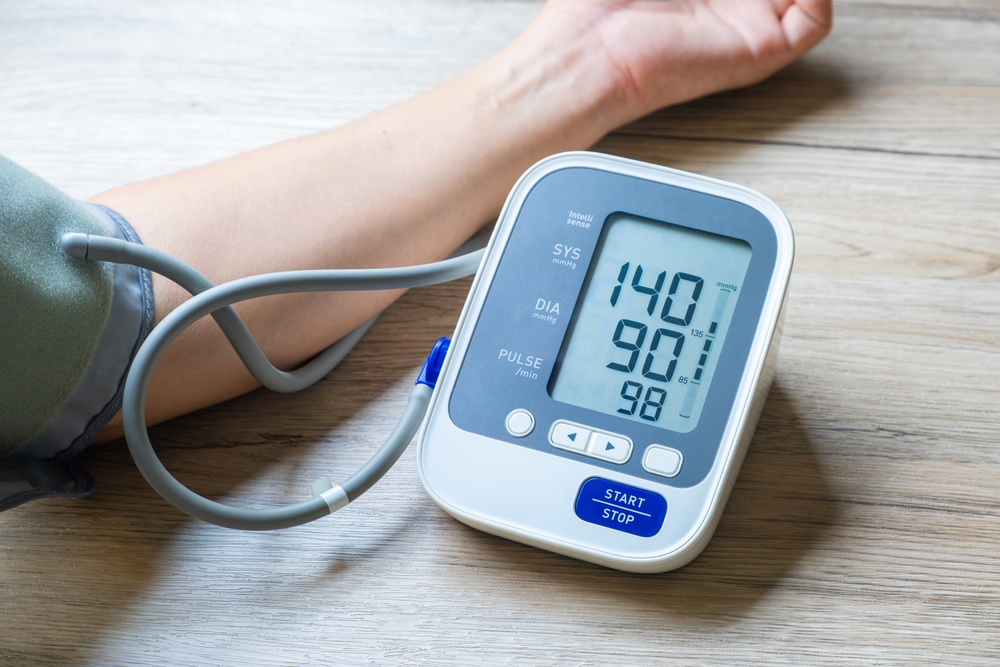
Blood pressure measures the force of blood pushing against artery walls as your heart pumps. The top number (systolic) represents pressure during heartbeats, while the bottom number (diastolic) shows pressure between beats. Normal blood pressure is below 120/80 mmHg. Elevated blood pressure (120-129/<80), Stage 1 hypertension (130-139/80-89), and Stage 2 hypertension (140+/90+) represent progressively higher cardiovascular risk levels.
Most people have primary (essential) hypertension with no single identifiable cause, though genetic factors, lifestyle, and aging contribute. Some people have secondary hypertension caused by specific medical conditions like kidney disease, thyroid problems, or sleep apnea—conditions your high blood pressure doctor screens for.
Recognizing High Blood Pressure Issues
Hypertension typically causes no symptoms, earning it the nickname “silent killer.” However, very high blood pressure may cause:
- Severe headaches, particularly in the back of the head
- Dizziness or vertigo
- Shortness of breath during minimal activity
- Chest pain or pressure
- Nosebleeds that occur frequently
- Visual changes or blurred vision
- Fatigue or confusion in hypertensive emergencies
Most people discover their hypertension through routine screening rather than symptoms—highlighting the importance of regular blood pressure checks.
High Blood Pressure Treatment Approaches
Comprehensive management combines multiple strategies:
Lifestyle modifications form the foundation. Weight loss significantly lowers blood pressure—even losing 5-10 pounds helps. Regular physical activity, ideally 150 minutes weekly of moderate exercise, improves cardiovascular health. Dietary changes following the DASH (Dietary Approaches to Stop Hypertension) eating plan emphasize fruits, vegetables, whole grains, and limiting sodium. Reducing sodium intake to under 2,300mg daily (ideally 1,500mg) lowers pressure in most people. Limiting alcohol and managing stress also contribute.
Medication therapy is often necessary. Several drug classes treat hypertension effectively: diuretics help kidneys eliminate excess sodium and water, ACE inhibitors and ARBs relax blood vessels while protecting kidneys, calcium channel blockers prevent blood vessel constriction, and beta-blockers slow heart rate and reduce cardiac workload. Your doctor selects medications based on your age, other health conditions, and how you respond.
Combination therapy using two or more medications often achieves better control than high doses of single drugs while minimizing side effects.
Home blood pressure monitoring provides valuable data about your blood pressure patterns throughout the day, helping your doctor adjust treatment appropriately.
How We Diagnose Hypertension
Diagnosis requires multiple elevated readings, as blood pressure naturally fluctuates. We measure your pressure on several occasions before confirming hypertension. For borderline cases, we may recommend home monitoring or 24-hour ambulatory monitoring capturing pressures throughout normal activities.
Once diagnosed, we screen for organ damage through EKG checking heart function, blood tests assessing kidney function and cholesterol, urinalysis detecting kidney problems, and sometimes echocardiogram evaluating heart structure and function.
Identifying Secondary Hypertension
When blood pressure resists treatment or appears in young people without typical risk factors, we investigate secondary causes including kidney disease, renal artery stenosis, sleep apnea, thyroid disorders, adrenal tumors, and certain medications. Identifying and treating these underlying conditions often dramatically improves blood pressure control.
When to See a High Blood Pressure Doctor
Schedule an appointment if you’ve been diagnosed with hypertension and need ongoing management, have elevated blood pressure on home monitoring, struggle to control pressure despite medications, experience symptoms suggesting very high blood pressure, have family history of early cardiovascular disease, or possess other risk factors like diabetes or kidney disease.
Regular monitoring prevents hypertension’s silent progression to heart attack, stroke, kidney failure, or other serious complications.
Red-Flag Symptoms of Hypertensive Emergency
Seek emergency care immediately if you experience severely elevated blood pressure (180/120 or higher) with chest pain, shortness of breath, severe headache, vision changes, difficulty speaking, numbness or weakness, or altered consciousness. These symptoms indicate hypertensive emergency requiring immediate treatment to prevent organ damage.
The Importance of Consistent Treatment
Hypertension is chronic, requiring lifelong management. Inconsistent medication-taking or abandoning lifestyle modifications when you feel fine allows blood pressure to rise again, increasing your risk. Even when you have no symptoms, elevated blood pressure damages arteries throughout your body. Consistent treatment—taking medications as prescribed, maintaining healthy habits, and attending regular appointments—provides the best protection against cardiovascular complications.
What to Expect During Your Visits
Initial appointments include comprehensive evaluation, multiple blood pressure measurements, assessment of cardiovascular risk factors, baseline lab work, and development of your treatment plan. Follow-up visits monitor your progress, adjust medications if needed, screen for complications, and address challenges or questions. As your blood pressure stabilizes, visits typically occur every 3-6 months.
We emphasize partnership—you manage your condition daily while we provide expertise, support, and adjustments keeping you on track.
Living Well with Controlled Blood Pressure
While hypertension is chronic, effective management allows you to live fully and actively. Many people discover that changes made for blood pressure control—regular exercise, nutritious eating, stress management—improve their overall health and energy beyond just their cardiovascular system. With good control, you significantly reduce your risk of heart attack, stroke, kidney failure, and other serious complications, potentially adding years to your life.
Watch to Learn More
Why Madison Medical
Our 1,200+ weekly patient volume gives us unmatched expertise in managing both common and complex cases. With integrated pt, chiro, acupuncture and primary care services ensure coordinated treatment without juggling multiple provider appointments, we provide multispecialty approach brings together specialists from multiple disciplines, ensuring coordinated comprehensive care throughout your treatment journey.