

When You Need a Specialist for Hip Pain
Hip pain that persists, worsens, or significantly affects your daily activities deserves specialized attention from a hip pain specialist who can accurately diagnose the problem and provide targeted treatment. While general practitioners handle common ailments, hip conditions often require the focused expertise of an orthopedic hip specialist or hip joint pain specialist who understands the complex anatomy and biomechanics of this critical weight-bearing joint. Finding the right specialist means getting accurate diagnosis, accessing advanced treatment options, and receiving care from physicians who’ve managed hundreds of similar cases.
At Madison Medical, our hip pain specialists combine extensive training with hands-on experience managing all types of hip conditions—from arthritis and bursitis to labral tears and hip impingement. We provide comprehensive evaluation using advanced imaging and diagnostic techniques, offering treatment options ranging from conservative therapies to innovative regenerative medicine and, when necessary, surgical intervention.
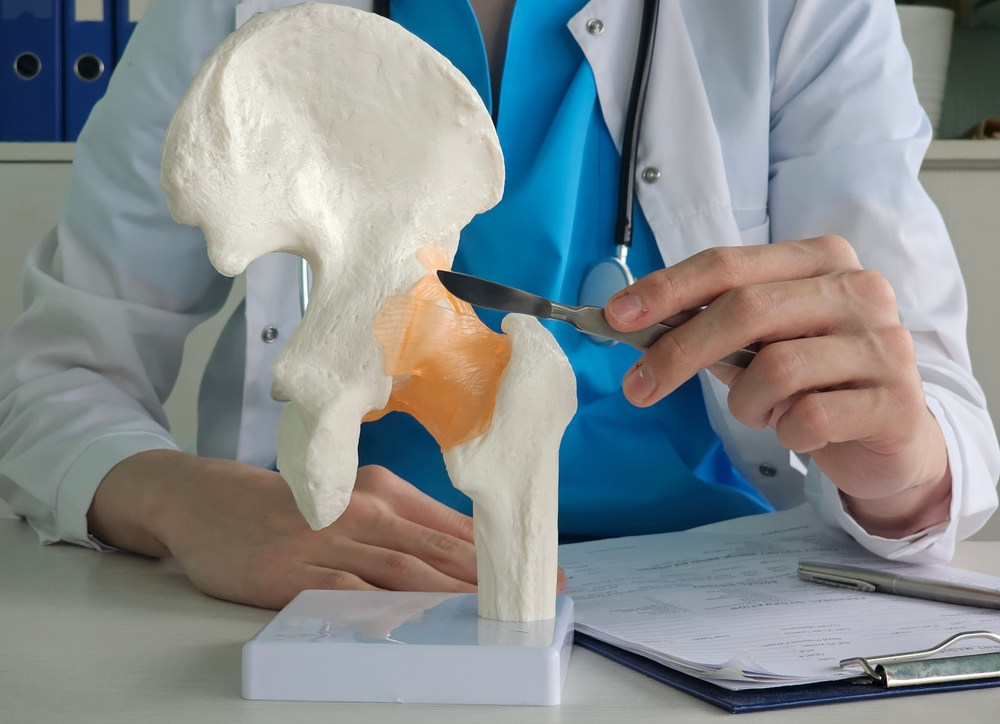
What a Hip Pain Orthopedic Specialist Does
Hip pain specialists are orthopedic surgeons, sports medicine physicians, or physiatrists with focused expertise in diagnosing and treating hip conditions. These medical professionals have completed additional training beyond medical school specifically in musculoskeletal problems, with many pursuing fellowship training concentrating exclusively on hip and pelvic conditions.
Your hip pain specialist conducts detailed evaluations identifying the exact source of your discomfort, orders and interprets advanced imaging studies, provides or coordinates conservative treatments, performs diagnostic and therapeutic injections when appropriate, and when necessary, performs surgical procedures to correct structural problems that don’t respond to non-operative management.
Common Hip Conditions Requiring a Specialist
Hip pain specialists diagnose and treat numerous conditions:
- Hip arthritis causing progressive joint degeneration and pain
- Labral tears affecting the cartilage rim around your hip socket
- Hip impingement (FAI) where abnormal bone contact damages the joint
- Greater trochanteric pain syndrome (hip bursitis) causing lateral hip pain
- Hip flexor strains and tendinitis from overuse or injury
- IT band syndrome creating friction and pain
- Snapping hip syndrome causing audible clicking or popping
- Avascular necrosis where limited blood supply damages bone
- Hip dysplasia affecting socket depth and stability
- Sports-related hip injuries in athletes
Each condition requires specific expertise for optimal management—highlighting why specialized care produces superior outcomes.
Why Hip Pain Develops
Multiple factors contribute to hip problems:
Wear and tear from years of use gradually degrades hip cartilage, causing arthritis. This natural aging process accelerates with obesity, previous injuries, or structural abnormalities.
Structural abnormalities like hip impingement or dysplasia create abnormal joint mechanics that damage cartilage and labrum over time, even in young, active people.
Overuse injuries from sports or activities requiring repetitive hip movements accumulate damage faster than tissues can repair. Runners, dancers, and athletes in sports requiring cutting movements face elevated risk.
Acute injuries including falls, motor vehicle accidents, or sports impacts can fracture bones, tear soft tissues, or dislocate the hip—requiring immediate specialist attention.
Inflammatory conditions like rheumatoid arthritis specifically target joints, causing pain and progressive damage.
Biomechanical issues elsewhere in your body—leg length differences, knee problems, or foot abnormalities—alter how your hip functions, creating unusual stress patterns.
How a Hip Joint Pain Specialist Diagnoses Problems
Comprehensive evaluation identifies your specific condition:
Detailed history explores pain location, timing, aggravating factors, how it limits activities, and previous treatments.
Physical examination assesses range of motion, strength, specific pain provocative tests, gait analysis, and checking for referred pain from your back.
Advanced imaging including X-rays showing bone structure, arthritis, and alignment, MRI revealing soft tissues like labrum, cartilage, and muscles, and sometimes CT scans providing detailed bone anatomy for surgical planning.
Diagnostic injections placing numbing medication in specific locations helps confirm pain sources when examination findings are unclear.
Treatment Options from Your Hip Pain Specialist
Specialists offer comprehensive care:
Conservative Management
Physical therapy addressing hip weakness and flexibility limitations forms the foundation. Activity modifications allow healing while maintaining fitness. Medications reduce inflammation and pain. Custom orthotics may help when foot mechanics contribute to hip stress.
Regenerative Medicine
PRP therapy and other cellular treatments promote healing in damaged hip structures, offering promising results for early arthritis, labral problems, and tendon injuries.
Injection Therapies
Corticosteroid injections reduce inflammation in hip joints or bursae. Viscosupplementation adds lubricating fluid to arthritic hips. These treatments often provide months of relief.
Surgical Options
When conservative treatments don’t provide adequate relief, specialists perform hip arthroscopy for labral repairs and impingement correction, partial or total hip replacement for advanced arthritis, or procedures addressing structural abnormalities—restoring pain-free function.
When to See a Hip Pain Specialist
Schedule an appointment if your hip pain persists beyond 4-6 weeks despite home care, progressively worsens over time, significantly limits your walking, standing, or daily activities, causes limping or altered gait patterns, is accompanied by swelling, warmth, or clicking/locking sensations, or occurs after an injury with severe pain or inability to bear weight.
Early specialist evaluation prevents acute problems from becoming chronic and identifies conditions benefiting from timely intervention.
Red-Flag Symptoms
Seek immediate care if you experience sudden, severe hip pain with inability to move the joint, visible deformity, signs of hip dislocation, fever with joint pain suggesting infection, or progressive weakness or numbness in your leg.
Benefits of Specialized Hip Care
Hip pain specialists offer distinct advantages. They have extensive experience diagnosing subtle differences between hip conditions requiring different treatments. They stay current with rapidly evolving hip treatment options. Their focused practice means they’ve managed hundreds of cases similar to yours, recognizing patterns and solutions that generalists might miss. Most importantly, specialists provide comprehensive approaches addressing underlying causes rather than just symptoms.
What to Expect During Your Visit
Initial appointments typically last 45-60 minutes, including detailed history, thorough examination, and often imaging during your visit. You’ll receive a clear diagnosis, understanding of your condition’s natural history, and treatment recommendations with realistic expectations about outcomes and timelines. Many patients feel relieved finally having answers after months of uncertainty.
Living Without Hip Pain
With proper specialist care, most hip conditions improve significantly or resolve completely. You’ll return to comfortable walking, standing, and activities you enjoy. Even when hip replacement eventually becomes necessary, modern techniques allow excellent outcomes with rapid recovery—restoring quality of life that hip pain had stolen.
Watch to Learn More
Why Madison Medical
We prioritize non-surgical solutions first means we thoroughly explore conservative options before recommending invasive procedures. Our real-time imaging capabilities provide immediate diagnostic answers during your visit, accelerating your path to treatment. Same-day appointments because we understand your condition needs prompt evaluation and treatment without long delays.