

Finding the Best Orthopedic Surgeons
When musculoskeletal injuries or conditions require surgical intervention, selecting the right orthopedic surgeon becomes one of your most important healthcare decisions. The best orthopedic surgeons combine extensive training, refined technical skills, and substantial experience managing complex cases—factors that directly impact your surgical outcome, recovery timeline, and long-term results. Whether you need joint replacement, sports injury repair, spine surgery, or treatment for fractures and trauma, understanding what distinguishes top orthopedic surgeons from average practitioners empowers you to make informed choices about your surgical care.
At Madison Medical, our team includes board-certified orthopedic surgeons with fellowship training in specialized areas including joint replacement, sports medicine, spine surgery, and trauma. We’re committed to providing excellent surgical outcomes through meticulous technique, patient-centered care, and comprehensive programs supporting you throughout your recovery journey.
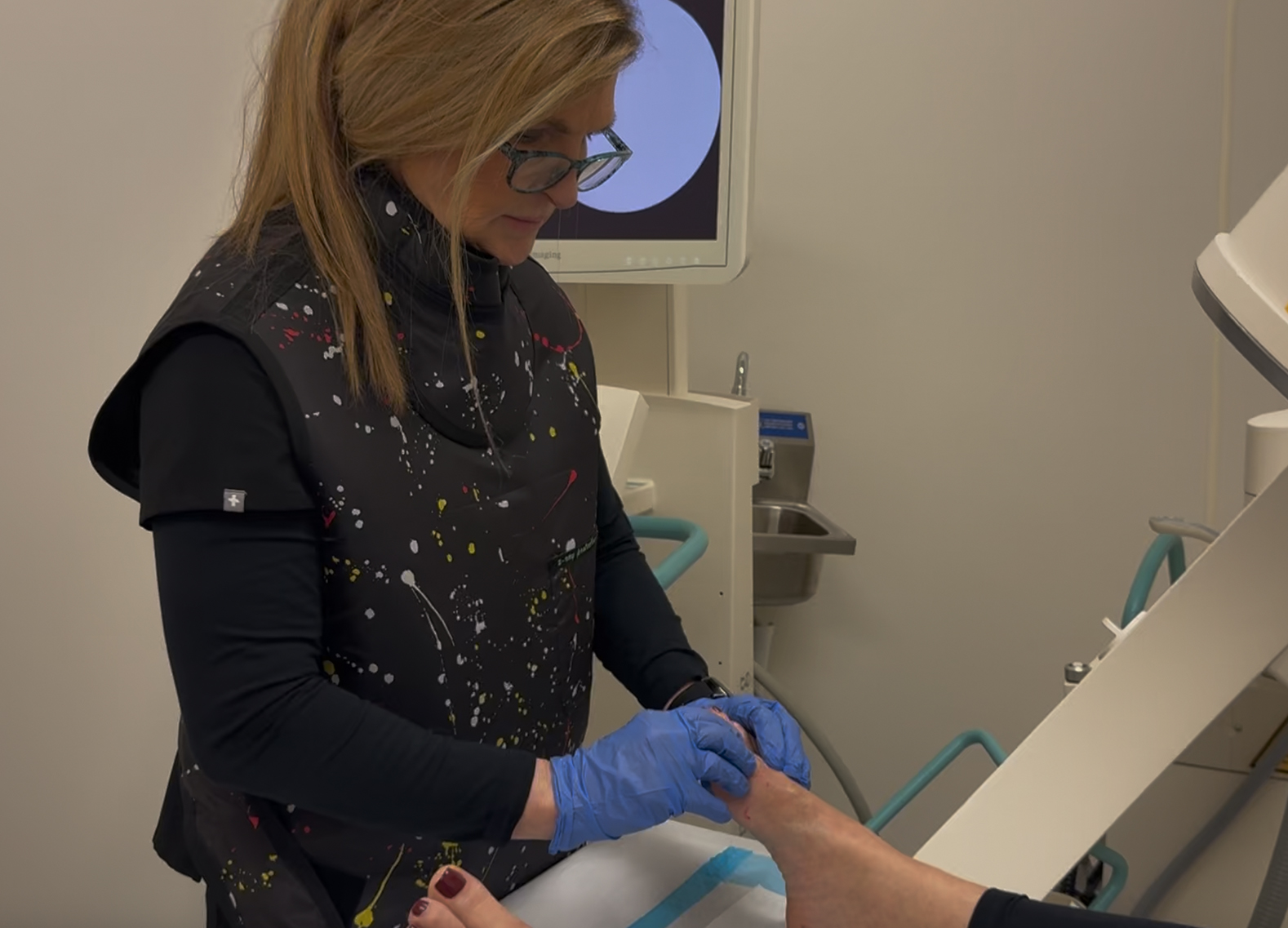
What Orthopedic Surgeons Do
Orthopedic surgeons specialize in diagnosing, treating, and preventing disorders affecting the musculoskeletal system—including bones, joints, ligaments, tendons, muscles, and nerves. After completing medical school, these physicians undergo five years of orthopedic surgery residency developing expertise in both operative and non-operative treatment. Many pursue additional fellowship training in subspecialties like sports medicine, joint replacement, spine surgery, hand surgery, or trauma—further refining their skills in focused areas.
Top orthopedic surgeons provide comprehensive care including accurate diagnosis, conservative treatment when appropriate, advanced surgical techniques when needed, and coordinated post-operative rehabilitation optimizing recovery.
Conditions Treated by Orthopedic Surgeons
- Joint arthritis requiring replacement or other surgical intervention
- Sports injuries including ACL tears, meniscal tears, and rotator cuff problems
- Spine conditions like herniated discs, stenosis, and deformities
- Fractures and trauma from accidents or falls
- Hand and wrist problems including carpal tunnel and trigger finger
- Foot and ankle conditions requiring surgical correction
- Shoulder conditions including instability and impingement
- Hip problems like labral tears and impingement
- Bone tumors and infections
- Congenital deformities and developmental conditions
What Makes the Best Orthopedic Surgeons?
Several factors distinguish exceptional surgeons:
Board certification demonstrates completion of rigorous training and passing comprehensive examinations. This represents baseline competency—all orthopedic surgeons should be board certified.
Fellowship training provides additional expertise in specific areas. Surgeons completing fellowship training in your condition’s specialty typically achieve better outcomes than general orthopedists.
High surgical volume correlates strongly with better results. Surgeons performing high volumes of specific procedures develop refined technique and encounter various situations building experience. Ask potential surgeons about their annual procedure volumes.
Low complication rates indicate surgical skill and appropriate patient selection. The best orthopedic surgeons are transparent about their outcomes and how they compare to national benchmarks.
Use of evidence-based techniques means staying current with research, adopting proven innovations while avoiding unproven trends. Top surgeons can explain why they use particular approaches.
Comprehensive care models including pre-operative optimization, patient education, and coordinated rehabilitation ensure excellent care beyond the operating room.
Strong communication skills help you understand your condition, treatment options, and realistic expectations. The best surgeons welcome questions and provide thoughtful, understandable answers.
Questions to Ask Potential Surgeons
When selecting an orthopedic surgeon, ask:
Are you board certified in orthopedic surgery? This should always be yes. Did you complete fellowship training? In what specialty? Fellowship training indicates advanced expertise in specific areas. How many of these procedures do you perform yearly? Higher volumes generally correlate with better outcomes. What are your complication rates? Transparency about outcomes demonstrates confidence and accountability. What surgical technique will you use and why? Understanding their approach provides insight into expertise. What’s your revision rate? How often do patients require additional surgery? What’s the typical recovery timeline? Setting realistic expectations is important.
Don’t hesitate to seek second opinions if uncertain or uncomfortable with recommendations.
Subspecialty Expertise
Many orthopedic surgeons focus on specific areas. Joint replacement specialists concentrate on hip, knee, and shoulder replacements. Sports medicine surgeons treat athletic injuries and arthroscopic procedures. Spine surgeons address back and neck conditions. Hand surgeons manage intricate hand and wrist problems. Trauma surgeons handle complex fractures and injuries. Foot and ankle specialists treat conditions from the knee down.
For specialized conditions, choosing surgeons focusing on that specific area typically produces better outcomes than seeing general orthopedists.
What to Expect from Your Surgeon
Throughout your care, top orthopedic surgeons provide thorough evaluation confirming appropriate treatment approach, clear communication about procedure details and expected outcomes, meticulous surgical technique with attention to detail, appropriate pain management balancing control with safety, coordination with rehabilitation teams, and ongoing follow-up monitoring progress.
When to See an Orthopedic Surgeon
Schedule an evaluation if you have persistent pain not improving with conservative treatment, significant injury limiting function, progressive deformity or instability, fractures requiring surgical fixation, or arthritis significantly impacting quality of life. Many orthopedic conditions benefit from early specialist intervention before problems progress.
The Value of Excellence
Choosing top orthopedic surgeons significantly impacts your outcome. Experienced surgeons achieve better results, have lower complication rates, and provide care models optimizing recovery. While finding the best surgeons may require research and possibly traveling further, the difference in outcomes makes this effort worthwhile for major procedures significantly impacting your function and quality of life.
Watch to Learn More
Why Choose Madison Medical
Our award-winning team combines extensive experience with ongoing training in the latest surgical techniques and technologies. With real-time imaging capabilities provide immediate diagnostic answers during your consultation, accelerating your treatment planning, our non-surgical solutions first means we thoroughly explore conservative options before recommending invasive procedures.