

Comprehensive Achilles Tendonitis Treatment for Lasting Relief
When every step brings pain to the back of your ankle, achilles tendonitis treatment becomes a priority that can’t wait. This common but frustrating condition affects athletes and non-athletes alike, causing heel pain that can range from a mild ache to debilitating discomfort that disrupts your daily life. The Achilles tendon, connecting your calf muscles to your heel bone, handles tremendous stress with every step—and when it becomes inflamed, the impact on your mobility can be significant.
At Madison Medical, we understand that Achilles tendon problems don’t just affect your feet—they affect your entire quality of life. Our comprehensive approach combines advanced diagnostics with personalized treatment plans, addressing both your immediate pain and the underlying factors that caused your tendinitis. Whether you’re a runner looking to get back on the road or someone who simply wants to walk comfortably again, we’re here to help.
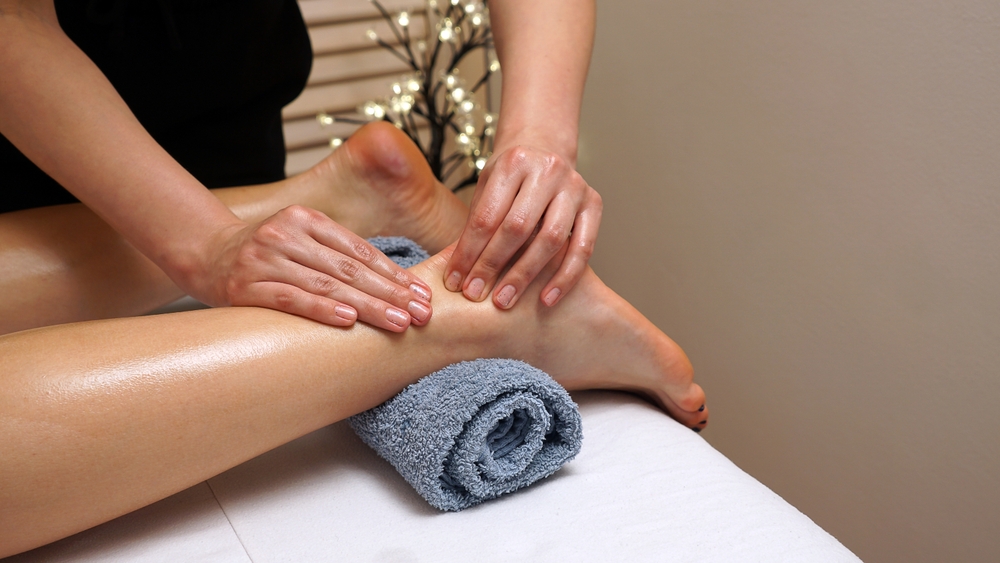
Understanding Achilles Tendonitis
Achilles tendonitis is an overuse injury affecting the Achilles tendon, the largest and strongest tendon in your body. This thick band of tissue runs down the back of your lower leg, connecting your calf muscles (the gastrocnemius and soleus) to your heel bone (calcaneus). Every time you walk, run, jump, or push off your toes, your Achilles tendon is working.
The condition typically develops gradually, starting as a mild ache above the heel or in the back of the leg after running or other physical activity. Without proper treatment, the pain can become constant and may eventually lead to tendon degeneration or even rupture. Understanding the difference between tendonitis (acute inflammation) and tendinosis (chronic degeneration) helps guide treatment decisions.
Recognizing Symptoms That Require Ruptured Tendon Achilles Treatment
The hallmark symptom of Achilles tendonitis is pain along the back of your leg or above your heel, especially after running or other physical activity. The pain often worsens with activity and improves with rest, though morning stiffness is common. You might notice the tendon feels tender to touch or appears swollen.
In cases of severe tendonitis or partial tears requiring ruptured tendon achilles treatment, symptoms intensify dramatically. You may hear a popping sound during activity, experience sudden sharp pain, have difficulty walking or pointing your toes downward, or notice significant swelling and bruising. These symptoms warrant immediate medical evaluation to determine if the tendon has torn.
Insertional tendonitis affects the lower portion of the tendon where it attaches to the heel bone and may involve bone spur formation. Non-insertional tendonitis affects the middle portion of the tendon, more common in younger, active individuals. Both types cause pain but may require different treatment approaches.
What Causes Achilles Tendon Problems?
Overuse is the primary cause of Achilles tendonitis. When you repeatedly stress your tendon without adequate recovery time, microscopic tears develop faster than your body can repair them. This leads to inflammation, pain, and if continued, progressive tendon damage.
Sudden increases in activity intensity or duration commonly trigger symptoms. Starting a new running program, adding hill training, or dramatically increasing mileage without gradual progression places excessive stress on the tendon. Weekend warriors who are sedentary during the week but highly active on weekends are particularly vulnerable.
Biomechanical factors contribute significantly. Flat feet, high arches, tight calf muscles, and overpronation alter how forces distribute through the tendon. Worn-out or improper footwear fails to provide adequate support. Obesity increases tendon load with every step. Age-related changes reduce tendon flexibility and blood supply, making injury more likely after age 30.
Risk Factors for Achilles Tendon Problems
- Training errors: Sudden increases in activity intensity, duration, or frequency without gradual progression
- Tight calf muscles: Reduced flexibility increases stress on the Achilles tendon
- Foot mechanics: Flat feet, high arches, or overpronation alter tendon loading
- Age: Tendon flexibility and blood supply decrease after age 30
- Obesity: Extra weight increases stress with every step
- Certain medications: Fluoroquinolone antibiotics are associated with increased tendon rupture risk
Diagnostic Evaluation at Madison Medical
Accurate diagnosis begins with a thorough physical examination. Your provider will assess tendon tenderness, swelling, and range of motion. Specific tests evaluate tendon strength and identify the location and severity of damage. Comparing your affected leg to the unaffected side reveals functional differences.
Diagnostic ultrasound provides real-time visualization of the Achilles tendon, revealing inflammation, thickening, tears, and changes in tendon structure. This non-invasive imaging allows us to see the tendon during movement, identifying problems that static imaging might miss. Ultrasound also guides certain treatment procedures.
X-rays may be ordered to check for bone spurs at the tendon insertion or to rule out other conditions. MRI provides detailed soft tissue imaging when ultrasound findings are inconclusive or when surgical planning requires comprehensive evaluation. These imaging studies help determine whether you need conservative care or more intensive achilles tendon rupture treatment.
Conservative Treatment Approaches
Most cases of Achilles tendonitis respond well to conservative treatment without requiring surgery. The foundation of treatment includes relative rest—reducing or modifying activities that stress the tendon while maintaining fitness through low-impact alternatives like swimming or cycling.
Physical therapy plays a central role in recovery. Eccentric strengthening exercises, where you lower your heel below a step level, have strong research support for Achilles tendinopathy. These exercises promote tendon remodeling and healing when performed consistently over 12 weeks. Stretching the calf muscles improves flexibility and reduces tendon strain.
Ice application after activity reduces inflammation and provides pain relief. Over-the-counter anti-inflammatory medications help manage symptoms when used as directed, though they don’t address the underlying tendon damage. Heel lifts or orthotic devices may reduce tendon strain by altering foot mechanics. Night splints maintain gentle tendon stretch during sleep.
Advanced Treatment Options
When conservative measures provide insufficient relief, advanced treatments offer additional options. Platelet-rich plasma (PRP) injections concentrate your blood’s healing factors and deliver them directly to the damaged tendon. This regenerative approach promotes tissue repair and may accelerate recovery.
Extracorporeal shockwave therapy uses acoustic waves to stimulate blood flow and healing in chronic tendinopathy. This non-invasive treatment can break down scar tissue and promote new blood vessel formation, accelerating healing in stubborn cases that haven’t responded to other treatments.
Corticosteroid injections may provide short-term pain relief but are used cautiously around the Achilles tendon due to concerns about tendon weakening. If recommended, these injections are performed under ultrasound guidance to ensure precise placement and minimize risk.
When Surgery Becomes Necessary
Surgery is typically reserved for patients who haven’t improved after six months of consistent conservative treatment, or for those with complete tendon ruptures. The surgical approach depends on the type and extent of damage.
Debridement removes damaged tendon tissue in cases of localized tendinopathy. When damage is extensive, tendon repair or reconstruction may be necessary, sometimes involving tissue transfer from other tendons. Minimally invasive and open techniques are available, with the choice depending on specific circumstances.
Recovery from Achilles surgery requires patience. Immobilization in a boot or cast protects the repair initially, followed by graduated weight-bearing and physical therapy. Full recovery typically takes 6-12 months, though timelines vary based on the procedure performed and individual healing.
Preventing Recurrence
Once you’ve recovered from Achilles tendonitis, preventing recurrence becomes a priority. Gradual progression in training—increasing mileage or intensity by no more than 10% weekly—allows your tendon to adapt without overload. Maintaining calf flexibility through daily stretching reduces tendon strain.
Proper footwear supports healthy tendon mechanics. Replace running shoes every 300-500 miles or when cushioning deteriorates. Cross-training provides cardiovascular fitness while giving your Achilles tendon recovery time between high-stress activities.
Why Madison Medical for Your Achilles Tendonitis Treatment?
Our sports medicine specialists bring focused expertise in treating Achilles tendon conditions. Madison Medical sees over 1,200 patients weekly, providing the high-volume experience needed for optimal outcomes. We offer comprehensive care from diagnosis through complete recovery, with access to advanced imaging, regenerative therapies, and surgical options when needed.
Our integrated approach coordinates care between physical therapists, sports medicine specialists, and orthopedic surgeons. We accept most major insurance plans and offer convenient New Jersey locations with flexible scheduling. From weekend warriors to competitive athletes, we’re committed to getting you back to the activities you love.
Watch to Learn More
Take the First Step Toward Recovery
Achilles tendonitis doesn’t have to sideline you permanently. With proper diagnosis and treatment, most patients achieve full recovery and return to their normal activities. The key is seeking treatment early before chronic changes develop in the tendon.
Contact Madison Medical to schedule your Achilles evaluation. Our specialists will assess your condition, explain your treatment options, and develop a personalized plan to eliminate your pain and restore function. Whether you need conservative care or advanced intervention, we have the expertise and resources to help you heal.