

Effective Disc Bulge Treatment for Spine Pain Relief
A bulging disc can turn everyday activities into painful challenges, but effective disc bulge treatment can restore your comfort and mobility. This common spinal condition occurs when the soft, gel-like center of a spinal disc pushes against its outer layer, causing the disc to bulge outward. While the terms are often used interchangeably, a bulging disc differs from a herniated disc—and understanding this distinction helps guide your treatment path.
At Madison Medical, we specialize in comprehensive spine care that addresses disc problems at their source. Our approach to bulging disc treatment combines accurate diagnosis with personalized treatment plans, helping you avoid unnecessary surgery while achieving meaningful pain relief. From conservative therapies to advanced interventional procedures, we offer the full spectrum of care your spine needs.
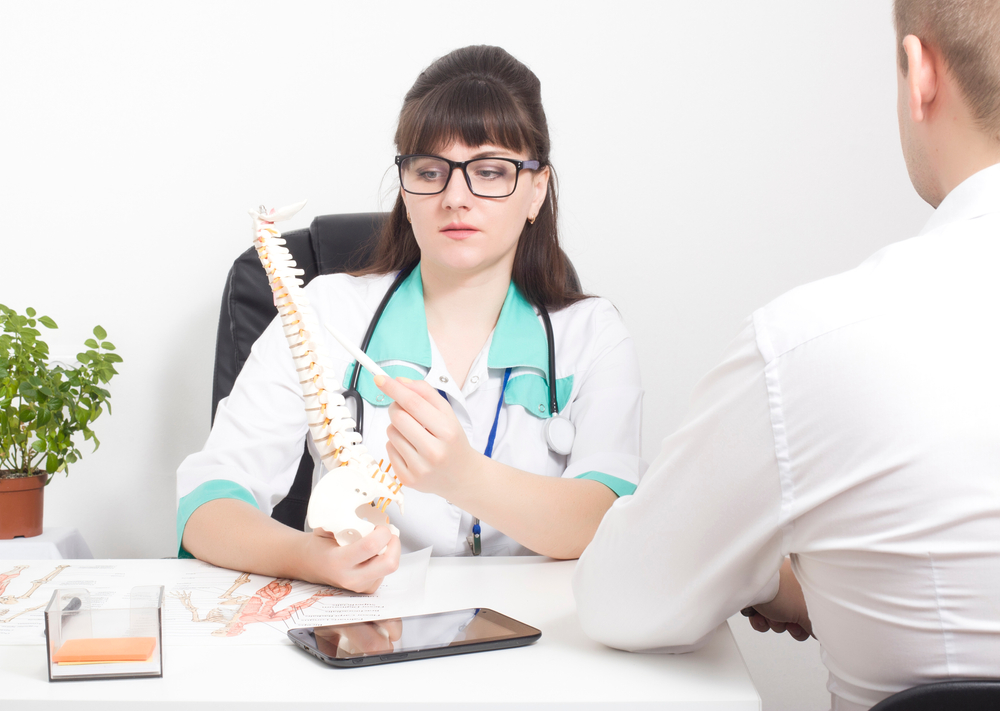
Understanding Disc Bulge vs. Herniation
Spinal discs are cushion-like structures between your vertebrae, consisting of a tough outer layer (annulus fibrosus) and a gel-like center (nucleus pulposus). A bulging disc occurs when the disc extends beyond its normal boundary, typically affecting a larger portion of the disc circumference—imagine a hamburger that’s too big for its bun.
A herniated disc represents a more severe problem where the outer layer tears and the inner material pushes through. This distinction matters because herniated discs are more likely to cause nerve compression and may require different treatment approaches. However, both conditions can cause significant pain and dysfunction.
Disc bulges commonly occur in the lumbar (lower back) spine, where the greatest loads and movement occur. Cervical (neck) disc bulges are also common, particularly in people who spend long hours looking at screens. Thoracic disc bulges are rare due to the ribcage’s stabilizing effect.
Symptoms That Indicate You Need Treatment
Many disc bulges cause no symptoms at all—they’re often discovered incidentally on imaging performed for other reasons. When symptoms do occur, they depend on the location and whether nerves are affected. Localized back or neck pain near the affected disc is common, often worsening with certain movements or positions.
When a bulging disc presses on nearby nerves, symptoms can radiate into the arms or legs. Lumbar disc bulges may cause sciatica—pain shooting down the leg, often accompanied by numbness, tingling, or weakness. Cervical disc bulges can cause similar symptoms in the arms and hands. Muscle weakness suggests more significant nerve involvement.
Red flag symptoms requiring immediate attention include progressive weakness, numbness in the groin area, or loss of bladder or bowel control. These may indicate cauda equina syndrome, a surgical emergency. While rare, this condition requires urgent evaluation.
What Causes Disc Bulges?
Age-related disc degeneration is the primary cause. As we age, discs lose water content and become less flexible, making them more susceptible to bulging with normal stress. This process typically begins in our 30s and progresses gradually, though the rate varies significantly between individuals.
Repetitive strain accelerates disc wear. Jobs requiring frequent bending, lifting, or twisting place repeated stress on spinal discs. Prolonged sitting, especially with poor posture, increases disc pressure and contributes to degeneration. Vibration exposure, such as from driving or operating heavy equipment, also stresses discs.
Acute injuries can cause sudden disc bulges, though this is less common than gradual development. Lifting something too heavy, particularly with poor form, can push disc material outward. Falls or motor vehicle accidents may cause traumatic disc injury.
Risk Factors for Disc Bulges
- Age: Disc degeneration increases susceptibility after age 30
- Occupation: Jobs requiring repetitive bending, lifting, or prolonged sitting
- Obesity: Excess weight increases spinal load and disc stress
- Poor posture: Prolonged poor positioning increases disc pressure
- Smoking: Reduces disc nutrition and accelerates degeneration
- Genetics: Family history of disc problems indicates increased risk
Diagnostic Evaluation
Accurate diagnosis starts with comprehensive history and physical examination. Your provider will assess your pain pattern, neurological function, range of motion, and which movements reproduce your symptoms. Specific tests evaluate whether nerves are being compressed.
MRI provides detailed visualization of spinal discs, revealing bulges, herniations, and nerve compression. This non-invasive imaging shows soft tissue structures that X-rays cannot visualize. MRI findings must be correlated with symptoms, as many people have disc abnormalities without symptoms.
X-rays may be ordered to evaluate bone structure, alignment, and disc space height. CT scans provide excellent bone detail and may be used when MRI isn’t possible. Nerve conduction studies and EMG can quantify nerve function when neurological symptoms are present.
Conservative Treatment Options
Most disc bulges respond well to conservative treatment without requiring surgery. Initial management typically includes activity modification—avoiding movements that worsen symptoms while maintaining gentle activity to prevent deconditioning. Brief rest may help acute pain, but prolonged bed rest is counterproductive.
Physical therapy is the cornerstone of conservative treatment. Core strengthening stabilizes the spine and reduces disc stress. Specific exercises based on your symptoms help centralize pain and reduce nerve irritation. Manual therapy, including spinal manipulation in appropriate cases, can reduce pain and improve mobility.
Medications manage pain during recovery. Over-the-counter anti-inflammatories reduce pain and inflammation. Muscle relaxants may help if muscle spasm accompanies disc symptoms. Short courses of oral steroids can reduce nerve inflammation in some cases.
Interventional Treatment Options
When conservative treatment provides insufficient relief, epidural steroid injections deliver anti-inflammatory medication directly to the affected area. Performed under fluoroscopic guidance for precision, these injections can significantly reduce pain and inflammation around irritated nerves, often providing weeks to months of relief.
Transforaminal epidural injections target specific nerve roots, particularly useful when symptoms clearly follow a single nerve distribution. Selective nerve root blocks can both diagnose and treat nerve compression, helping confirm which level is causing symptoms.
Regenerative medicine approaches, including platelet-rich plasma therapy, may promote disc healing in appropriate candidates. While research continues, some patients experience meaningful improvement with these treatments.
When Surgery Becomes Necessary
Surgery for disc bulges is rarely needed and typically reserved for cases with progressive neurological deficits, cauda equina syndrome, or persistent symptoms despite exhaustive conservative treatment. The vast majority of disc bulges improve without surgical intervention.
When surgery is needed, minimally invasive techniques reduce recovery time and complications. Microdiscectomy removes the portion of disc material compressing nerves. Endoscopic procedures offer even less invasive options for appropriate candidates.
Why Madison Medical for Disc Bulge Treatment?
Our spine specialists bring comprehensive expertise to disc problems. Madison Medical sees over 1,200 patients weekly, providing extensive experience with both conservative and interventional spine care. We emphasize non-surgical treatment first, reserving surgery for cases where it’s truly needed.
Our integrated approach includes physical therapy, pain management, and orthopedic spine surgery all under one roof. This coordination ensures seamless care as your needs evolve. Most major insurance plans accepted at our convenient New Jersey locations.
Watch to Learn More
Start Your Path to Spine Health
A bulging disc doesn’t have to mean chronic pain or disability. With proper diagnosis and treatment, most patients achieve significant improvement and return to their normal activities. Early treatment often prevents progression and achieves better outcomes.
Contact Madison Medical to schedule your spine evaluation. Our specialists will assess your condition, explain your options, and develop a personalized treatment plan. Whether you need physical therapy, injections, or advanced intervention, we have the expertise to help you heal.