

Effective Leg Cramps Treatment for Lasting Relief
Few things disrupt sleep or stop you mid-stride like a sudden leg cramp. These involuntary muscle contractions can range from mildly annoying to intensely painful, and when they occur frequently, they significantly impact quality of life. Effective leg cramps treatment requires understanding the underlying causes and addressing them systematically rather than just treating symptoms.
At Madison Medical, we take frequent leg cramps seriously because they often signal underlying issues that deserve attention. Our approach to leg cramp treatment combines thorough evaluation with targeted interventions that address root causes, helping you enjoy uninterrupted sleep and comfortable movement.
Understanding Leg Cramps
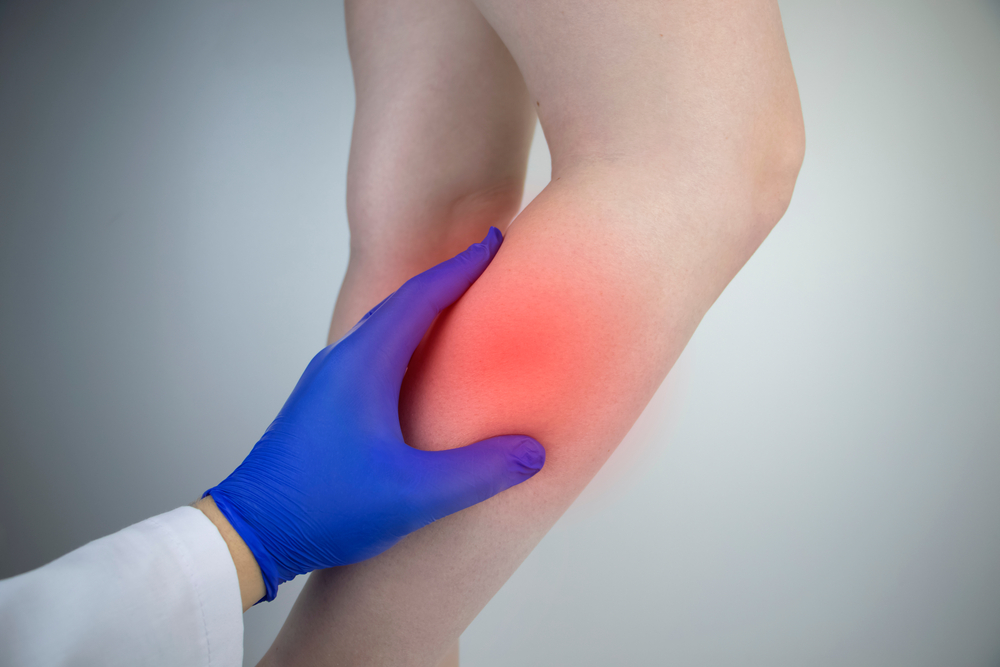
Leg cramps are sudden, involuntary contractions of muscles that can last from seconds to several minutes. The calf muscles are most commonly affected, though cramps can occur in the thighs or feet. During a cramp, the affected muscle becomes visibly and palpably tight, and attempting to move against the contraction intensifies the pain.
Nocturnal leg cramps—those occurring during sleep—affect up to 60% of adults at some point. These nighttime cramps often strike without warning, jarring you awake with intense muscle spasms. Exercise-associated muscle cramps occur during or shortly after physical activity. Understanding which type you experience helps guide appropriate treatment.
Common Causes of Leg Cramps
Dehydration and electrolyte imbalances frequently trigger leg cramps. Inadequate fluid intake, excessive sweating, and certain medications that increase urination deplete the body of water and essential minerals. Low levels of potassium, magnesium, calcium, or sodium disrupt normal muscle function and increase cramping susceptibility.
Muscle fatigue from overuse, prolonged standing, or unaccustomed exercise commonly causes cramps. Working muscles harder or longer than usual depletes energy stores and alters the chemical environment within muscle tissue. Poor conditioning and sudden increases in activity intensity elevate cramp risk.
Circulatory issues may contribute to leg cramps, particularly in older adults. Peripheral artery disease reduces blood flow to leg muscles, and the resulting oxygen deficit can trigger cramping during activity. Venous insufficiency, where blood pools in leg veins, also associates with increased cramping.
Nerve compression from spinal stenosis or other conditions sometimes manifests as leg cramps. Certain medications—including diuretics, statins, and some blood pressure drugs—list muscle cramps among their side effects. Medical conditions like diabetes, thyroid disorders, and kidney disease increase cramping susceptibility.
Common Causes of Frequent Leg Cramps
- Dehydration: Insufficient fluid intake, especially during hot weather or exercise
- Electrolyte imbalances: Low potassium, magnesium, calcium, or sodium levels
- Muscle fatigue: Overuse, prolonged standing, or unaccustomed exercise
- Medications: Diuretics, statins, and certain blood pressure medications
- Circulatory issues: Peripheral artery disease or venous insufficiency
- Medical conditions: Diabetes, thyroid disorders, kidney disease
When to Seek Medical Evaluation
Occasional leg cramps usually don’t require medical attention, but certain patterns warrant evaluation. Frequent cramps—occurring several times per week—suggest an underlying cause worth investigating. Cramps that don’t improve with basic self-care measures deserve professional assessment.
Severe cramps that leave muscles sore for days, cramps associated with visible swelling or skin changes, and cramps that occur with leg weakness or numbness all require prompt evaluation. Leg pain that occurs with walking and resolves with rest may indicate peripheral artery disease rather than simple cramping and needs vascular assessment.
Diagnostic Evaluation
Thorough history-taking reveals important clues about cramp causes. Your provider will ask about cramp frequency, timing, and triggers, as well as medications, medical conditions, diet, and hydration habits. Physical examination assesses circulation, nerve function, and muscle condition.
Blood tests evaluate electrolyte levels, kidney function, thyroid status, and blood sugar. These tests can identify correctable deficiencies or underlying conditions contributing to cramping. Additional testing for peripheral artery disease or nerve problems may be recommended based on your symptoms and risk factors.
Conservative Treatment Approaches
Addressing underlying causes forms the foundation of effective leg cramp treatment. Improving hydration—particularly before and during exercise and in hot weather—prevents many cramps. Electrolyte-rich foods or supplements correct mineral deficiencies. Dietary sources include bananas (potassium), leafy greens (magnesium), and dairy products (calcium).
Stretching exercises for calf and thigh muscles reduce cramping frequency significantly. Regular stretching before bed helps prevent nocturnal cramps. Gradual warm-up before exercise and appropriate conditioning for your activity level prevent exercise-associated cramps.
Proper footwear supports healthy muscle function and circulation. Avoiding prolonged positions—whether sitting or standing—keeps blood flowing and muscles relaxed. For nocturnal cramps, some patients find relief by sleeping with feet uncovered or using a footboard to prevent toe pointing.
Medical Treatment Options
When conservative measures don’t provide adequate relief, medical treatments may help. Magnesium supplementation benefits many patients, particularly those with documented deficiency or those taking medications that deplete magnesium. Your provider will recommend appropriate dosing based on your situation.
Addressing underlying medical conditions often resolves associated cramping. Managing diabetes, treating thyroid disorders, and optimizing kidney function all reduce cramp frequency. Medication adjustments may be needed if current prescriptions contribute to cramping.
For cramps related to venous insufficiency, compression stockings improve circulation and reduce cramping. Treatment of peripheral artery disease improves blood flow to leg muscles. In some cases, prescription medications may be recommended for refractory cramping.
Immediate Relief During a Cramp
When a cramp strikes, specific techniques provide faster relief. Stretching the affected muscle works best—for calf cramps, pull your toes toward your shin while keeping the knee straight. Walking may help by forcing the cramped muscle to relax. Massage and heat application soothe the muscle once the acute spasm subsides.
Cold application immediately after a cramp may reduce residual soreness. Over-the-counter pain relievers help if significant soreness persists. Most cramps resolve within minutes, but the muscle may remain tender for hours or even days after severe episodes.
Why Madison Medical for Leg Cramps Treatment?
Our team investigates the underlying causes of frequent leg cramps rather than just treating symptoms. Madison Medical sees over 1,200 patients weekly, providing expertise in evaluating and managing muscle cramps from simple to complex causes. We offer comprehensive testing and access to specialists when underlying conditions require attention.
Our integrated approach addresses hydration, nutrition, medication factors, and medical conditions that contribute to cramping. We accept most major insurance plans and offer convenient New Jersey locations with flexible scheduling.
Watch to Learn More
Stop the Cramps and Sleep Better
Frequent leg cramps don’t have to disrupt your sleep and daily activities. With proper evaluation and targeted treatment, most patients experience significant improvement. Identifying and addressing underlying causes provides lasting relief rather than temporary fixes.
Contact Madison Medical to schedule your evaluation. Our providers will assess your cramping patterns, identify contributing factors, and develop a treatment plan to reduce or eliminate your symptoms. Don’t accept frequent leg cramps as inevitable—effective solutions exist.