

Specialized Diabetic Neuropathy Treatment
For the millions of diabetics experiencing numbness, tingling, or burning in their feet, diabetic neuropathy treatment offers hope for symptom relief and complication prevention. Diabetic neuropathy is the most common complication of diabetes, affecting up to 50% of people with the condition over time. While nerve damage from high blood sugar can’t always be reversed, proper treatment can slow progression, manage symptoms, and prevent the serious complications that make diabetic neuropathy so dangerous.
At Madison Medical, we provide comprehensive diabetic neuropathy care that addresses both your nerve symptoms and your diabetes management. Our specialists work with your diabetes care team to optimize blood sugar control while implementing targeted neuropathy treatments. This dual approach gives you the best chance of slowing progression and maintaining quality of life.
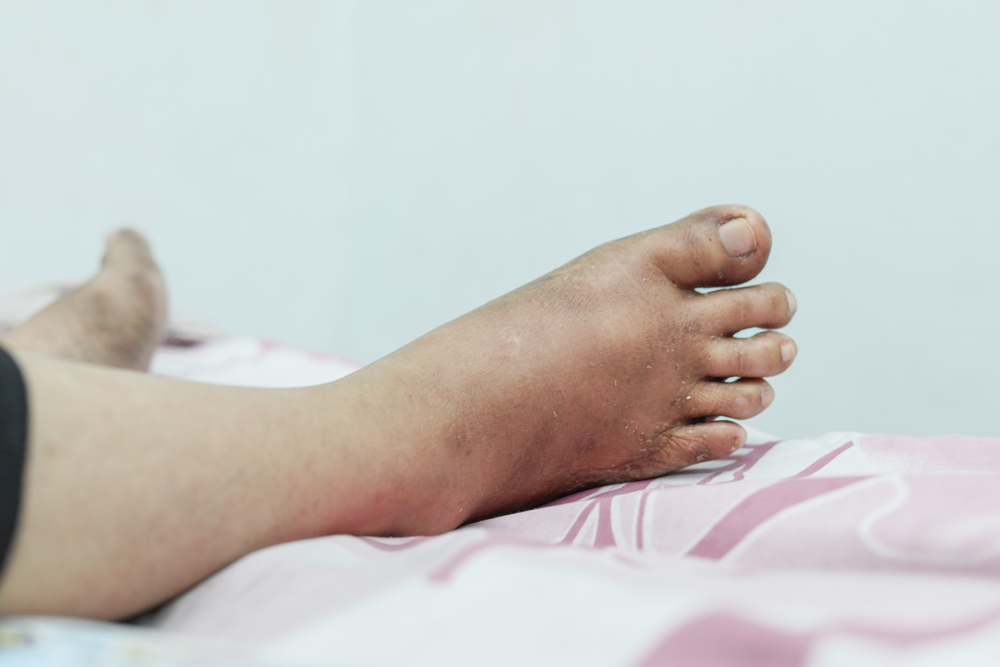
Understanding Diabetic Neuropathy
High blood sugar damages nerves through multiple mechanisms. Prolonged hyperglycemia injures the small blood vessels supplying nerves, starving them of nutrients and oxygen. Direct toxic effects on nerve fibers impair their function and structure. Inflammation contributes to ongoing damage. These processes typically affect the longest nerves first, which is why symptoms usually begin in the feet.
Several types of diabetic neuropathy exist. Peripheral neuropathy—the most common—affects sensory and motor nerves in the feet and hands. Autonomic neuropathy damages nerves controlling internal organs including the heart, digestive system, and bladder. Proximal neuropathy affects the thighs, hips, and buttocks. Focal neuropathy causes sudden weakness or pain in specific nerves.
Risk factors for developing diabetic neuropathy include poor blood sugar control over time, long duration of diabetes, high blood pressure, high cholesterol, obesity, and smoking. Controlling these factors helps prevent and slow neuropathy progression significantly.
Recognizing Diabetic Neuropathy Symptoms
Sensory symptoms typically appear first and gradually progress. You may notice numbness or tingling in the toes that slowly spreads up the feet and legs. Reduced ability to feel temperature changes, touch, or pain in your feet develops. Some patients experience burning pain, electric shocks, or extreme sensitivity where even bedsheets touching the feet causes discomfort.
The loss of protective sensation creates serious risks. Without feeling pain from cuts, blisters, or pressure sores, minor injuries can become infected wounds. Diabetic foot ulcers are a leading cause of lower extremity amputation—making vigilant foot care absolutely essential for anyone with diabetic neuropathy.
Autonomic symptoms may include digestive problems like gastroparesis, bladder dysfunction, abnormal sweating patterns, and cardiovascular issues like lightheadedness when standing or rapid heart rate. These symptoms indicate more extensive nerve involvement and require comprehensive management.
Diabetic Neuropathy Warning Signs
- Numbness or tingling: Usually starting in the toes and progressing up the feet
- Burning or sharp pain: Often worse at night and disrupting sleep
- Extreme sensitivity: Light touch or bedsheets feel painful
- Muscle weakness: Difficulty walking, climbing stairs, or foot drop
- Balance problems: Especially noticeable in the dark
- Unnoticed injuries: Wounds or sores you didn’t feel happen
Diagnostic Evaluation
Regular screening for neuropathy should begin at diagnosis for type 2 diabetes and within five years of diagnosis for type 1 diabetes. Your provider will assess sensation using monofilament testing, vibration perception with a tuning fork, and temperature discrimination. Reflexes and muscle strength are evaluated systematically.
Nerve conduction studies measure how well electrical signals travel through your nerves, providing objective data about neuropathy severity and type. These tests help monitor progression over time and guide treatment decisions. EMG assesses muscle response to nerve signals.
Comprehensive metabolic assessment ensures optimal management of all factors affecting your nerves—blood sugar control, blood pressure, cholesterol levels, and kidney function. Nutritional screening identifies any vitamin deficiencies that might contribute to or worsen nerve damage.
Blood Sugar Control: The Foundation
Intensive blood sugar management is the most important treatment for diabetic neuropathy. Good glycemic control can slow progression and may partially reverse early neuropathy in some patients. For every 1% reduction in HbA1c, neuropathy risk decreases by approximately 30%.
Working with your diabetes care team to optimize your treatment regimen—whether through medication adjustments, dietary changes, increased physical activity, or lifestyle modifications—provides the foundation for all other neuropathy treatments. This may involve insulin optimization, adding or changing oral medications, or continuous glucose monitoring.
Symptom Management Medications
Multiple medication options help manage neuropathic pain. FDA-approved treatments specifically for diabetic neuropathy include duloxetine (Cymbalta) and pregabalin (Lyrica). Gabapentin, though not FDA-approved for this indication, is commonly used and effective for many patients.
Tricyclic antidepressants like amitriptyline provide relief for some patients at doses lower than used for depression. Topical treatments including capsaicin cream and lidocaine patches offer localized relief without systemic side effects. Opioids are generally avoided due to limited effectiveness for neuropathic pain and addiction concerns.
Comprehensive Foot Care
Daily foot inspection is essential for anyone with diabetic neuropathy. Check for cuts, blisters, redness, or changes in skin temperature. Use a mirror to see the bottoms of your feet, or ask someone to help. Any abnormality should be evaluated promptly.
Proper footwear protects vulnerable feet. Shoes should fit well, provide support, and avoid pressure points. Never walk barefoot, even at home. Custom orthotics may be recommended for optimal protection and support.
Why Madison Medical for Diabetic Neuropathy?
Our specialists understand the complex interplay between diabetes and neuropathy. Madison Medical sees over 1,200 patients weekly, with expertise in both metabolic optimization and neuropathic pain management. We coordinate with your diabetes care team for comprehensive, coordinated treatment.
Our integrated approach addresses blood sugar control, symptom management, and complication prevention. Most major insurance plans accepted at our convenient New Jersey locations.
Watch to Learn More
Protect Your Nerve Health
Diabetic neuropathy is serious but manageable with proper care. Early detection and treatment can slow progression and prevent devastating complications. Blood sugar control combined with appropriate symptom management helps maintain quality of life for most patients.
Contact Madison Medical to schedule your diabetic neuropathy evaluation. Our specialists will assess your nerve function and develop a comprehensive treatment plan addressing all aspects of your care.