

Comprehensive Sciatica Treatment for Lasting Pain Relief
That shooting pain running from your lower back down your leg is the hallmark of sciatica—a condition affecting millions of people each year. Sciatica treatment targets the underlying cause of sciatic nerve irritation, whether from a herniated disc, spinal stenosis, or other structural problems. While the pain can be severe and frightening, most cases respond well to proper treatment without requiring surgery.
At Madison Medical, we specialize in comprehensive spine care that identifies exactly what’s causing your sciatica and develops an individualized treatment plan. Our approach combines advanced diagnostics with proven treatments, from physical therapy and injections to minimally invasive procedures when needed. The goal is eliminating your pain and preventing recurrence.
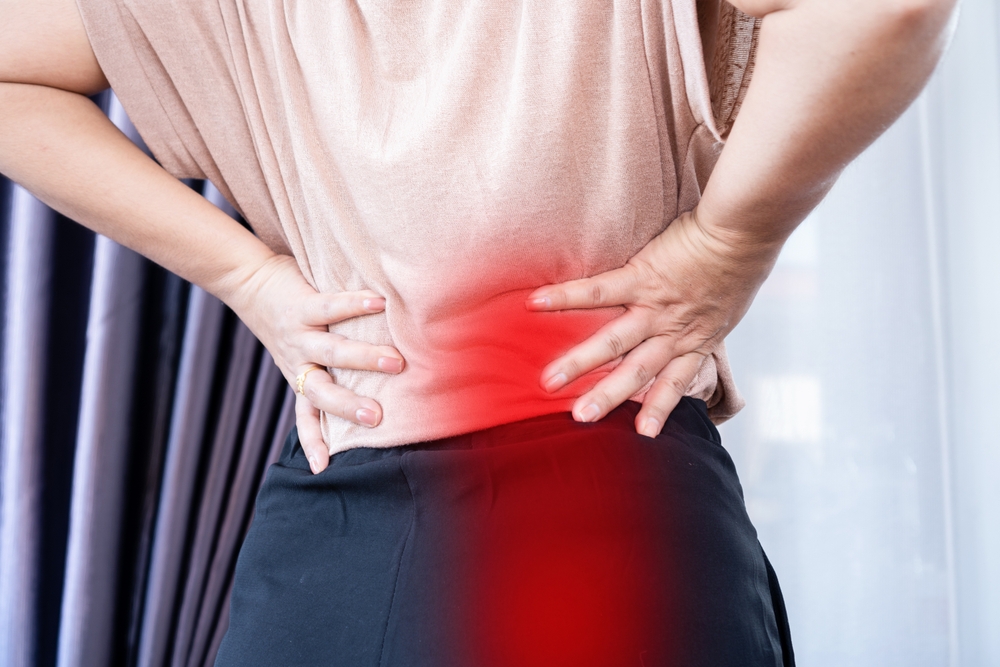
Understanding Sciatica
Sciatica refers to pain radiating along the path of the sciatic nerve, which runs from your lower back through your hips and buttocks and down each leg. The sciatic nerve is the largest nerve in your body, formed by nerve roots exiting the lower lumbar and upper sacral spine. When these roots or the nerve itself becomes compressed or irritated, the resulting pain can be intense.
True sciatica follows a specific pattern, typically affecting one leg rather than both. Pain usually radiates below the knee—often into the foot or toes—following the nerve’s path. This distinguishes it from other causes of back and leg pain that don’t involve the sciatic nerve.
The condition ranges from mildly annoying to completely debilitating. Some patients experience intermittent pain triggered by specific activities, while others have constant severe symptoms. The pattern and severity help guide treatment decisions.
Common Symptoms
Pain is the primary symptom, typically described as burning, shooting, or electric in nature. The pain often starts in the lower back or buttock and radiates down the back of the thigh, sometimes continuing into the calf, ankle, or foot. Coughing, sneezing, or bearing down may worsen symptoms.
Numbness and tingling frequently accompany the pain, following the same distribution. You might notice reduced sensation in your leg, foot, or toes. These sensory changes indicate nerve involvement and should be evaluated.
Weakness in the affected leg can make walking difficult. You may notice foot drop—difficulty lifting the front of your foot—or weakness when pushing off your toes. Progressive weakness warrants prompt evaluation as it may indicate significant nerve compression.
What Causes Sciatica?
Herniated lumbar disc is the most common cause, accounting for the majority of sciatica cases. When a disc’s soft center pushes through its outer layer, it can compress nearby nerve roots. The L4-L5 and L5-S1 disc levels are most frequently involved because they bear the greatest load and move the most.
Lumbar spinal stenosis—narrowing of the spinal canal—compresses nerve roots as they exit the spine. This degenerative condition typically develops gradually and worsens with age. Symptoms often worsen with walking and standing, improving with sitting or leaning forward.
Other causes include spondylolisthesis (vertebral slippage), piriformis syndrome (muscle compression of the nerve), tumors, and infections. Pregnancy can cause sciatica due to increased spinal load and postural changes.
Risk Factors for Sciatica
- Age: Disc herniations peak in mid-life; stenosis increases with age
- Occupation: Jobs requiring heavy lifting, twisting, or prolonged sitting
- Sedentary lifestyle: Weak core muscles fail to support the spine
- Obesity: Excess weight increases spinal stress
- Diabetes: Increases risk of nerve damage
- Smoking: Reduces disc nutrition and accelerates degeneration
Diagnostic Evaluation
Physical examination includes neurological testing of strength, sensation, and reflexes in the affected leg. The straight leg raise test—lifting your straightened leg while lying down—often reproduces sciatica symptoms if nerve root compression is present.
MRI provides detailed visualization of the spine, revealing disc herniations, stenosis, and nerve compression. This imaging confirms the diagnosis and identifies exactly which level and what pathology are causing symptoms. MRI guides treatment decisions and surgical planning when needed.
Nerve conduction studies and EMG may be ordered to assess nerve function and confirm which roots are affected. X-rays evaluate bone structure and alignment. CT scans provide excellent bone detail when needed.
Conservative Treatment
Most sciatica resolves with conservative treatment over 4-6 weeks. Activity modification—avoiding movements that worsen symptoms while staying as active as possible—allows inflammation to subside. Brief rest may help acute severe symptoms, but prolonged bed rest is counterproductive.
Physical therapy addresses underlying factors contributing to nerve compression. Specific exercises reduce pressure on affected nerves, strengthen supporting muscles, and improve flexibility. McKenzie exercises and nerve gliding techniques are particularly effective for sciatica.
Medications manage pain during recovery. NSAIDs reduce inflammation around compressed nerves. Muscle relaxants help if spasm accompanies sciatica. Gabapentin or pregabalin may be prescribed for nerve pain that doesn’t respond to other medications.
Interventional Treatments
Epidural steroid injections deliver anti-inflammatory medication directly to the affected area. Performed under fluoroscopic guidance for precision, these injections can significantly reduce inflammation and pain, often providing weeks to months of relief. They may eliminate symptoms entirely in some patients.
Transforaminal epidural injections target specific nerve roots, useful when the exact level of involvement is identified. Selective nerve root blocks both diagnose and treat individual nerve root compression.
Surgical Options
Surgery is considered when conservative treatment fails after 6-12 weeks, when progressive neurological deficits develop, or when cauda equina syndrome is present. Microdiscectomy removes the portion of disc material compressing the nerve—the most common surgery for disc-related sciatica.
Laminectomy addresses stenosis by removing bone and tissue compressing the nerves. Minimally invasive techniques reduce recovery time and complications. Most surgical patients experience significant improvement.
Why Madison Medical for Sciatica Treatment?
Our spine specialists bring comprehensive expertise to diagnosing and treating sciatica. Madison Medical sees over 1,200 patients weekly, with access to advanced imaging, injection treatments, and surgical referral when needed. We emphasize conservative care first while providing all necessary options.
Our integrated approach coordinates physical therapy, pain management, and surgical options seamlessly. Most major insurance plans accepted at our convenient New Jersey locations.
Watch to Learn More
Find Relief from Sciatic Pain
Sciatica can be severe, but effective treatment exists. Most patients improve without surgery, and even surgical cases typically have excellent outcomes. Early treatment prevents chronic pain patterns and hastens recovery.
Contact Madison Medical to schedule your spine evaluation. Our specialists will diagnose the cause of your sciatica and create a treatment plan to eliminate your pain and get you back to normal activities.