

Understanding Types of Allergy Testing
Allergies affect millions of people, causing symptoms ranging from mild inconvenience to life-threatening reactions. Identifying your specific allergens is essential for effective management—you can’t avoid what you don’t know about, and treatment works best when targeted to your actual triggers. The various types of allergy testing available today provide accurate, detailed information about your immune system’s reactions, enabling you and your healthcare team to develop strategies that minimize symptoms and improve your quality of life.
At Madison Medical, we offer comprehensive allergy testing services using multiple methodologies to ensure accurate identification of your triggers. Our approach combines thorough evaluation of your symptoms and history with appropriate testing to create a complete picture of your allergic sensitivities. Understanding the different types of allergy testing helps you know what to expect and ensures you receive the most appropriate evaluation for your situation.
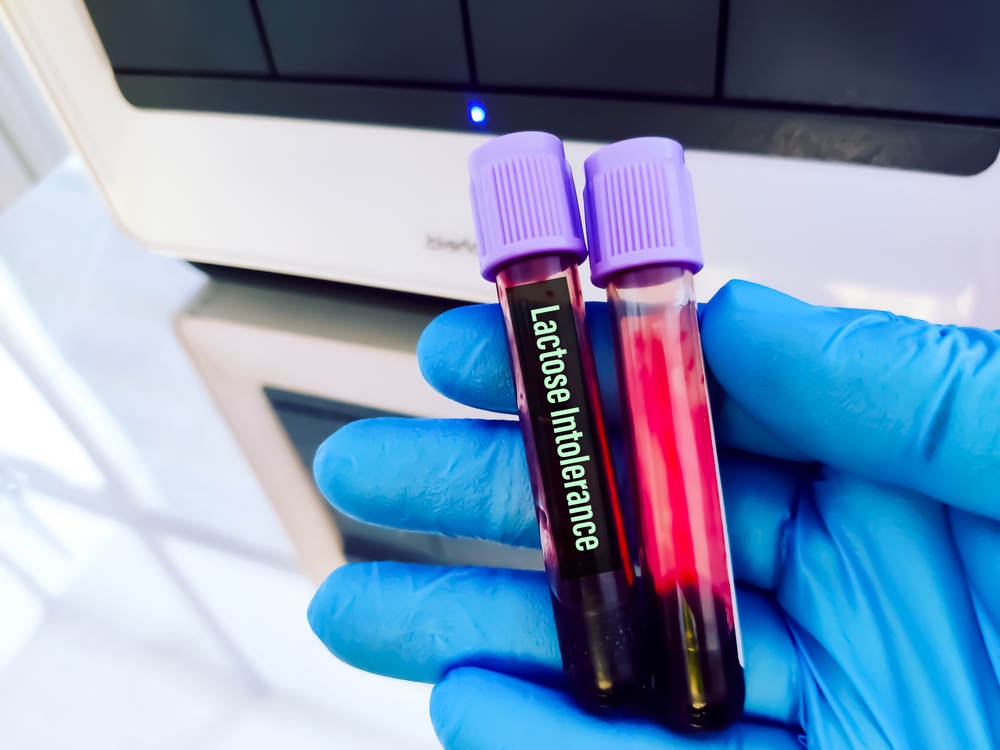
Types of Allergy Tests: Blood Testing
Blood testing for allergies, also called specific IgE testing or immunoassay testing, measures antibodies your immune system produces in response to allergens. When you’re allergic to a substance, your body produces immunoglobulin E (IgE) antibodies specific to that allergen. Blood tests detect and quantify these antibodies, indicating both the presence and relative severity of allergic sensitization.
Advantages of blood testing include:
- Can be performed regardless of skin conditions, medications, or recent allergic reactions that might affect skin testing
- Single blood draw can test for dozens of allergens simultaneously
- No risk of allergic reaction during testing since you’re not exposed to allergens
- Results are objective numerical values that can be tracked over time
- Convenient for patients who prefer avoiding multiple skin pricks
Modern blood tests provide highly accurate results for common environmental and food allergens. Your provider may recommend blood testing when skin testing isn’t practical or when additional confirmation of skin test results is needed.
Allergy Test Categories: Skin Testing
Skin testing remains the gold standard for many allergy test categories, providing rapid, highly accurate results for environmental allergens. During skin prick testing, tiny amounts of suspected allergens are introduced just below your skin’s surface. If you’re allergic, you’ll develop a small raised bump (wheal) at that location within 15-20 minutes.
Skin prick testing is ideal for identifying allergies to pollen, dust mites, pet dander, mold, and certain foods. The test is quick, results are available immediately, and multiple allergens can be tested in one session. Most patients find the procedure minimally uncomfortable—similar to light scratching.
Intradermal testing involves injecting small amounts of allergen just under the skin. This method is more sensitive than skin prick testing and may be used when skin prick results are negative but allergy is still suspected, or for testing certain allergens like insect venom or medications.
Patch testing identifies contact allergies—reactions to substances that touch your skin. Small amounts of potential allergens are applied to patches worn on your back for 48 hours. This testing is essential for diagnosing contact dermatitis caused by metals, fragrances, preservatives, or other substances.
Choosing the Right Allergy Tests
Different situations call for different testing approaches. Your Madison Medical provider will recommend appropriate testing based on your symptoms, medical history, and suspected allergens:
Environmental Allergies
If you experience seasonal symptoms, chronic nasal congestion, or asthma symptoms, testing typically focuses on pollens, mold spores, dust mites, and pet dander. Skin prick testing is usually the first choice for these allergens, providing immediate results that guide treatment planning.
Food Allergies
Food allergy testing may include skin testing, blood testing, or both. For suspected severe allergies, blood testing may be preferred to avoid any reaction risk. Oral food challenges—consuming the suspected food under medical supervision—sometimes follow initial testing to confirm results.
Drug and Insect Allergies
Testing for medication allergies or insect sting allergies requires careful protocols due to potential reaction severity. Skin testing with appropriate precautions can identify these allergies safely, enabling important decisions about future medication use or the need for emergency preparedness.
Contact Allergies
If you develop rashes or skin reactions from contact with certain substances, patch testing identifies the specific culprits. This testing is essential for conditions like allergic contact dermatitis affecting your hands, face, or other areas exposed to potential allergens.
Preparing for Allergy Testing
Proper preparation ensures accurate test results. Depending on your testing type:
- Antihistamines must be stopped 5-7 days before skin testing as they can suppress reactions and cause false negatives
- Certain other medications may also need temporary discontinuation—your provider will give specific instructions
- Blood testing doesn’t require medication changes, making it ideal for patients who cannot stop antihistamines
- Patch testing requires avoiding the test area getting wet and returning for readings at 48 and 96 hours
- Arrive with clean skin free of lotions or creams in testing areas
Understanding Your Results
Allergy test results require professional interpretation. A positive result indicates sensitization—your immune system recognizes and reacts to that substance—but doesn’t always mean you’ll have clinical symptoms upon exposure. Conversely, negative results in someone with clear allergic symptoms may warrant further investigation.
Your Madison Medical provider will explain your results in context of your symptoms, helping you understand which positive results are clinically relevant and what they mean for your daily life. This interpretation is crucial for developing effective management strategies.
After Testing: Your Treatment Plan
Identifying your allergens is just the beginning. Based on your results, your treatment plan may include:
Avoidance strategies specific to your triggers—practical guidance on reducing exposure to identified allergens in your home, workplace, and daily activities.
Medication management with antihistamines, nasal sprays, or other medications selected based on your specific allergy pattern and symptom severity.
Immunotherapy (allergy shots or sublingual tablets) may be recommended for environmental allergies, gradually desensitizing your immune system to reduce reactions over time.
Emergency preparedness for severe allergies, including epinephrine auto-injectors and action plans for accidental exposures.
Watch to Learn More
Why Choose Madison Medical for Allergy Testing
Our comprehensive approach to allergy care begins with thorough testing and extends through ongoing management. We offer multiple testing methodologies to ensure accurate diagnosis, and our experienced providers interpret results within the context of your complete health picture. Whether you need straightforward environmental allergy testing or complex evaluation for multiple sensitivities, Madison Medical provides the expertise and personalized care you deserve.