


Understanding Athletes Foot Treatment
That persistent itching, burning sensation between your toes isn’t something you need to suffer through or hide. Athlete’s foot despite its name, affects people of all activity levels, and effective athletes foot treatment can eliminate this uncomfortable fungal infection quickly. Whether you picked it up from a gym locker room, public pool, or shared living space, understanding what athlete’s foot is and how to treat it properly prevents the frustration of recurring infections.
At Madison Medical, we recognize that athlete’s foot, while common and often dismissed as minor, can significantly impact your comfort and quality of life. Our comprehensive approach not only eliminates the current infection but addresses underlying factors that make you susceptible to reinfection, ensuring lasting results.
What Is Athletes Foot?
Athlete’s foot, medically known as tinea pedis, is a fungal infection affecting the skin on your feet. The same types of fungi that cause ringworm and jock itch thrive in the warm, moist environment inside shoes and socks. These fungi feed on keratin, the protein making up your skin’s outer layer, causing the characteristic symptoms of itching, scaling, and redness.
The infection typically starts between the toes, especially the fourth and fifth toes where moisture tends to accumulate. Without proper treatment, athlete’s foot can spread to other areas of your foot, including the soles and sides. It can also spread to your toenails, causing fungal nail infections that are much harder to treat, or to your hands if you touch infected areas.
Three main types affect people: interdigital (between toes), moccasin-type (covering the sole), and vesicular (causing fluid-filled blisters). Each type may require slightly different treatment approaches.
Recognizing Athletes Foot Symptoms
Athlete’s foot symptoms vary depending on the infection type, but common signs include:
- Itching and burning, especially between toes, that may worsen after removing shoes and socks
- Scaly, peeling, or cracking skin between toes or on foot soles
- Redness and inflammation in affected areas
- Dry, flaky skin on the bottom or sides of feet in moccasin-type infections
- Fluid-filled blisters that may ooze or crust over in vesicular type
- Thickened, discolored toenails if infection spreads
- Unpleasant foot odor caused by bacterial overgrowth in damaged skin
Many people initially mistake athlete’s foot for dry skin, eczema, or simple irritation. The key distinguishing features are persistent itching despite moisturizing and gradual spreading of affected areas.
Common Causes and Risk Factors
Understanding how athlete’s foot develops helps prevent future infections:
Warm, moist environments create perfect conditions for fungal growth. Public showers, locker rooms, swimming pool areas, and shared bathroom floors harbor fungi that easily transfer to bare feet.
Tight, non-breathable footwear traps moisture and heat around your feet. Synthetic socks that don’t wick away moisture compound the problem. People who wear the same shoes daily without allowing them to dry completely face higher infection risk.
Excessive foot moisture from hyperhidrosis (excessive sweating) or inadequate drying after bathing creates an environment where fungi thrive. Even slight dampness between toes provides sufficient moisture for fungal colonization.
Weakened immune systems make some people more susceptible to fungal infections. Diabetes, peripheral vascular disease, and conditions affecting circulation or immune function increase vulnerability.
Previous infections indicate susceptibility. People who’ve had athlete’s foot before often experience recurrences, especially if underlying risk factors aren’t addressed.
Sharing contaminated items like towels, shoes, or socks can spread infection. The fungi can survive on these items, transferring to new hosts.
Minor skin injuries on feet provide entry points for fungi. Small cuts, scrapes, or dry cracked skin allow organisms to penetrate deeper layers.
How We Diagnose Athletes Foot
While many cases are identifiable by appearance and symptoms, proper diagnosis ensures you receive appropriate athletes foot treatment. During your evaluation, we examine the affected areas closely, noting the pattern and characteristics of the rash.
For atypical cases or infections not responding to initial treatment, we may perform skin scraping examination. We gently scrape a small amount of affected skin and examine it under a microscope or send it for culture. This confirms fungal infection and identifies the specific organism, allowing targeted treatment if needed.
Comprehensive Athletes Foot Treatment Options
Effective treatment eliminates the infection and prevents recurrence:
Topical Antifungal Medications
Over-the-counter antifungal creams, sprays, or powders containing clotrimazole, miconazole, or terbinafine effectively treat most cases when used consistently. Prescription-strength topicals offer more powerful formulations for stubborn infections. Treatment typically continues for several weeks, often longer than symptoms last, to fully eliminate fungi.
Oral Antifungal Medications
For severe, widespread, or treatment-resistant infections, oral antifungal medications provide systemic treatment. These medications work from inside your body, reaching areas topical treatments might miss. They’re particularly useful when infection has spread to toenails.
Advanced Therapies
For particularly stubborn or recurring infections, we offer laser therapy targeting fungal organisms while leaving healthy tissue unharmed. This innovative approach works especially well for toenail involvement that doesn’t respond to traditional treatments.
Foot Hygiene Optimization
Proper foot care practices are essential for treatment success and prevention. We provide detailed guidance on washing and drying techniques, appropriate footwear choices, and environmental modifications that discourage fungal growth.
When to Seek Professional Treatment
While mild athlete’s foot sometimes responds to over-the-counter treatments, professional evaluation is warranted if symptoms persist beyond two weeks of self-treatment, the infection spreads or worsens despite treatment, you develop signs of bacterial infection like increased redness, warmth, or pus, or you have diabetes or compromised circulation making you more susceptible to complications.
Early professional treatment prevents progression to more serious foot problems and reduces the chance of spreading infection to others.
Warning Signs of Complications
Seek immediate medical attention if you develop fever along with foot redness and swelling, notice red streaks extending up your leg from the infected area, experience increasing pain that interferes with walking, or observe discharge or significant swelling suggesting secondary bacterial infection.
The Importance of Complete Treatment
Many people stop treatment once symptoms improve, but this allows remaining fungi to multiply again, causing reinfection. Complete treatment courses, typically continuing one to two weeks beyond symptom resolution, ensure all organisms are eliminated. This diligence prevents the frustration of recurring infections and reduces the development of treatment-resistant fungal strains.
What to Expect During Your Visit
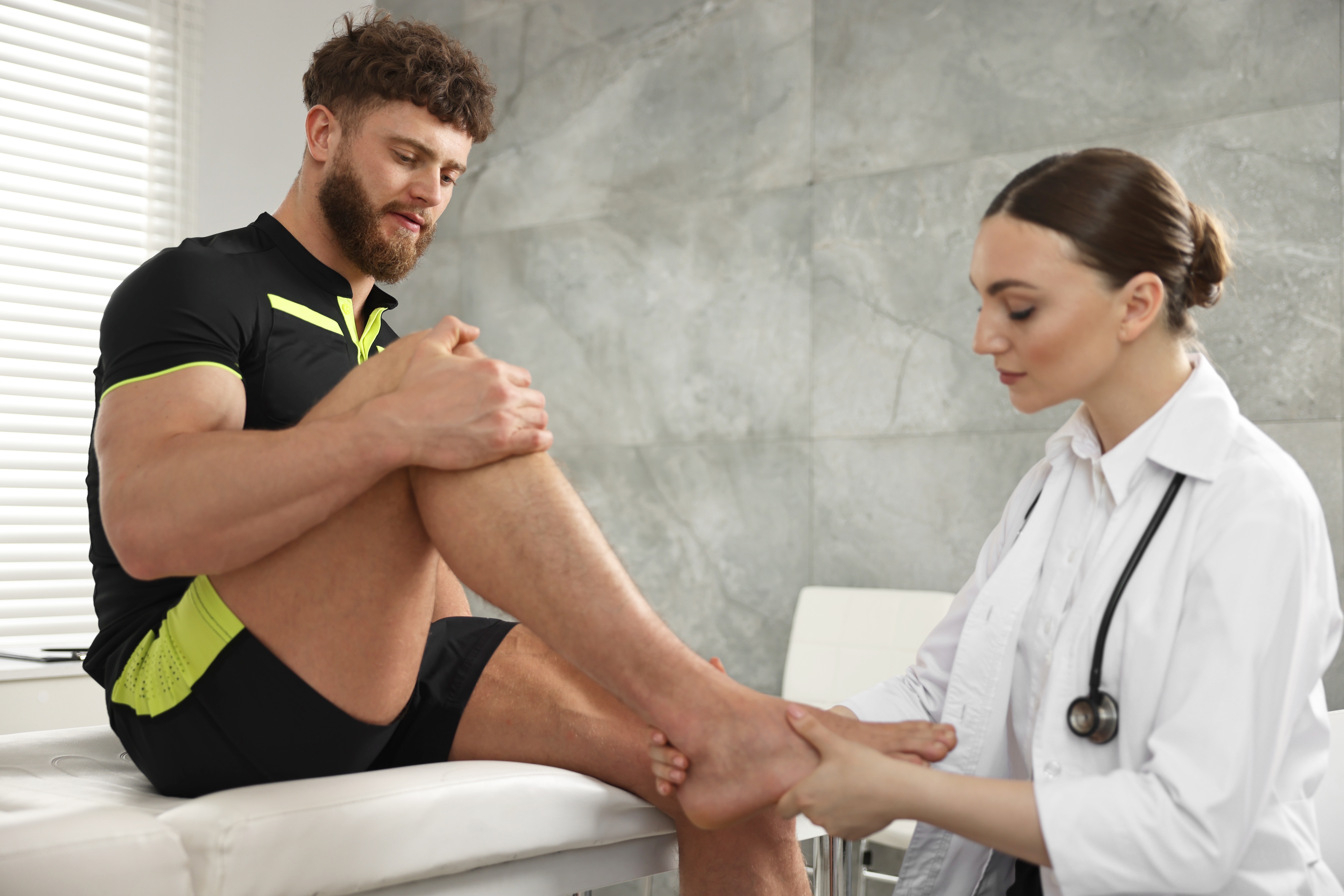
Your appointment begins with discussion of your symptoms, how long you’ve had them, previous treatments attempted, and your daily footwear habits. We examine your feet thoroughly, checking all potentially affected areas including between toes, soles, and toenails. Based on our findings, we prescribe appropriate treatment and provide detailed instructions for application and foot care practices that support healing.
Follow-up may be scheduled for severe infections or if you don’t respond to initial treatment as expected. We’re available to answer questions and adjust treatment as needed throughout your recovery.
Preventing Future Infections
Once you’ve cleared athlete’s foot, prevention strategies keep it from returning. Keep feet clean and completely dry, especially between toes. Change socks daily, or more often if they become damp. Choose breathable shoes and alternate pairs to allow complete drying. Use antifungal powder in shoes as preventive measure. Wear flip-flops or shower shoes in public areas. Never share towels, shoes, or socks with others. Treat any toenail fungus promptly before it spreads.
These simple practices significantly reduce reinfection risk while maintaining overall foot health.
Watch to Learn More
Why Madison Medical
Our multispecialty approach brings together dermatology expertise, podiatric care, and advanced treatment technologies under one roof, ensuring comprehensive athlete’s foot management. We offer same-day appointments because we understand that persistent foot itching and discomfort need prompt attention and relief. Our commitment to non-surgical solutions first means we utilize the most effective topical and oral treatments before considering more invasive options, giving you the least aggressive yet most effective care.