

Comprehensive Elbow Bursitis Treatment for Quick Recovery
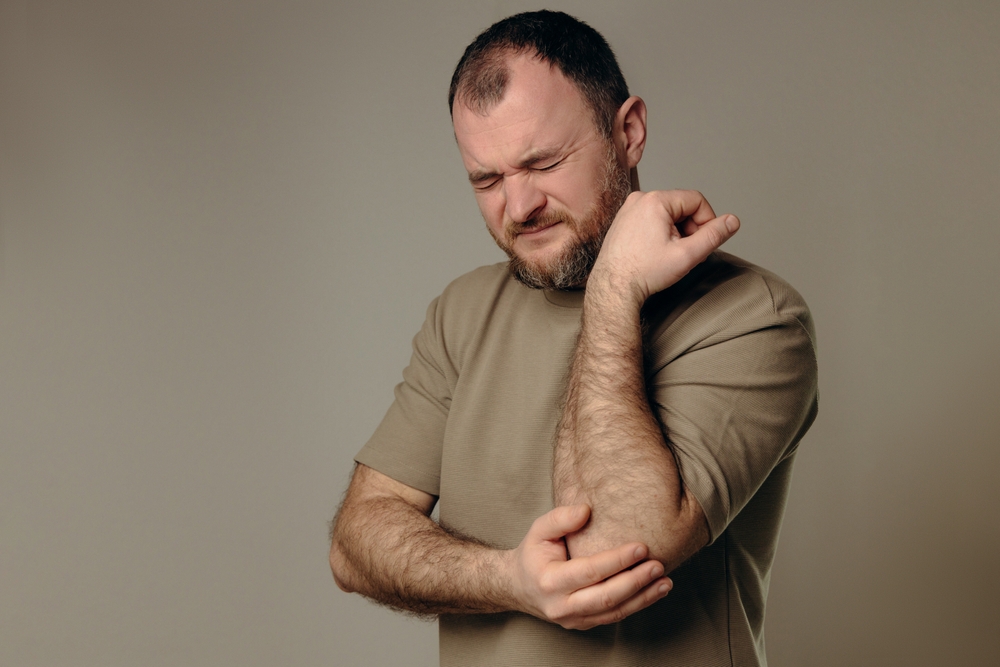
That noticeable swelling at the tip of your elbow, sometimes called “Popeye elbow,” is likely olecranon bursitis—a condition that responds well to proper elbow bursitis treatment. The olecranon bursa sits over the bony point of your elbow, providing cushioning between the skin and bone. When this bursa becomes inflamed or infected, it fills with fluid and creates a visible, often painful swelling that can interfere with everyday activities.
At Madison Medical, we provide comprehensive care for elbow bursitis, from accurate diagnosis to complete recovery. Whether your bursitis developed from repetitive pressure, injury, or underlying conditions, our treatment approach addresses both the immediate swelling and the factors that caused it. Understanding the difference between simple inflammation and infection is crucial, and our specialists are skilled at making this distinction and providing appropriate treatment.
Understanding Olecranon Bursitis
The olecranon bursa is a thin, fluid-filled sac located at the tip of your elbow, covering the olecranon—the bony projection you feel when you bend your elbow. Normally, this bursa contains minimal fluid and goes unnoticed. When irritated or inflamed, it can swell dramatically, sometimes reaching the size of a golf ball.
Elbow bursitis can be classified as septic (infected) or aseptic (non-infected). This distinction is critical because septic bursitis requires antibiotic treatment and sometimes surgical drainage, while aseptic bursitis typically responds to conservative measures. Both types cause swelling, but septic bursitis usually involves more severe pain, redness, warmth, and fever.
The condition is sometimes called “student’s elbow” or “miner’s elbow” because of its association with prolonged leaning on hard surfaces. However, it can develop in anyone and may occur without any obvious cause.
Recognizing Symptoms That Need Bursitis Treatment Elbow Care
The most obvious symptom is swelling at the tip of the elbow, which may appear suddenly or develop gradually. The swelling can range from slight puffiness to a large, fluid-filled bulge. In aseptic bursitis, the swelling may cause only mild discomfort or tightness, with pain primarily when pressure is applied.
Pain that’s significant at rest, severe redness, spreading warmth, or fever suggests possible infection. These symptoms warrant prompt medical evaluation, as septic bursitis requires aggressive treatment to prevent serious complications. Even small skin breaks near the elbow can introduce bacteria into the bursa.
Range of motion is usually preserved in simple bursitis, though the swelling may feel uncomfortable at the extremes of movement. If you notice significant limitation in bending or straightening your elbow, other conditions may be contributing.
What Causes Elbow Bursitis?
Repeated pressure or trauma is the most common cause. Leaning on your elbows while working at a desk, resting elbows on hard armrests, or occupational activities that put pressure on the elbow tip can irritate the bursa over time. A single blow to the elbow from a fall or impact can also trigger bursitis.
Infection typically enters through breaks in the skin near the elbow. Small cuts, scrapes, insect bites, or even minor puncture wounds can introduce bacteria into the bursa. People with weakened immune systems, diabetes, or those taking immunosuppressive medications have higher infection risk.
Underlying inflammatory conditions may predispose to bursitis. Rheumatoid arthritis, gout, and pseudogout can cause bursal inflammation as part of systemic disease. In these cases, treating the underlying condition is essential for preventing recurrence.
Risk Factors for Elbow Bursitis
- Prolonged pressure: Leaning on elbows at desks or on hard surfaces
- Occupational hazards: Plumbers, HVAC technicians, and others who work on their elbows
- Trauma: Falls onto the elbow or direct blows
- Skin breaks: Cuts, scrapes, or bites near the elbow increase infection risk
- Medical conditions: Rheumatoid arthritis, gout, diabetes
- Immunosuppression: Medications or conditions that weaken immune function
Diagnostic Evaluation
Physical examination focuses on assessing the swelling characteristics and looking for infection signs. Your provider will evaluate skin temperature, redness, and tenderness. Checking for fever and examining nearby lymph nodes helps assess for systemic infection.
Aspiration—removing fluid from the bursa with a needle—serves both diagnostic and therapeutic purposes. The fluid can be analyzed for bacteria, white blood cells, and crystals (indicating gout). Removing excess fluid also provides immediate pressure relief and reduces swelling.
X-rays may be ordered to check for bone spurs, fractures, or foreign bodies. If the bursa is being evaluated for the first time or isn’t responding as expected, imaging helps rule out other conditions. Ultrasound can visualize the bursa and guide aspiration in complex cases.
Conservative Treatment for Non-Infected Bursitis
Aseptic bursitis often responds well to conservative measures. Avoiding pressure on the elbow is the foundation of treatment—using elbow pads, avoiding leaning on hard surfaces, and modifying activities that put stress on the bursa. These changes allow inflammation to subside naturally.
Ice application reduces swelling and provides comfort. Applying ice for 15-20 minutes several times daily, particularly after activities, helps control inflammation. Compression wraps can limit swelling but should be used carefully to avoid cutting off circulation.
Anti-inflammatory medications help manage pain and reduce inflammation. Over-the-counter options like ibuprofen or naproxen are often effective. Your provider may recommend prescription-strength options for more significant symptoms.
Treatment for Septic Bursitis
Infected bursitis requires antibiotics, typically started empirically before culture results return. The choice of antibiotic depends on infection severity and likely causative organisms. Oral antibiotics may suffice for mild infections, while severe cases may require intravenous antibiotics.
Aspiration removes infected fluid, reducing bacterial load and relieving pressure. This procedure may need to be repeated if fluid reaccumulates. In some cases, a small drain may be placed to allow continuous drainage.
Surgery is considered when infection doesn’t respond to antibiotics and repeated aspiration. Incision and drainage or complete bursectomy (removal of the bursa) may be needed. Following surgery, the area eventually develops a new, healthy bursa.
When Injection Treatment Helps
Corticosteroid injection into the bursa can provide rapid relief for non-infected bursitis that doesn’t respond to conservative measures. The anti-inflammatory medication reduces swelling quickly, often providing lasting improvement. This treatment is only appropriate after infection has been ruled out.
Aspiration alone, even without steroid injection, provides relief by removing accumulated fluid and reducing pressure. Some patients experience lasting improvement from aspiration without need for additional treatment.
Why Madison Medical for Elbow Bursitis Treatment?
Our specialists bring expertise in diagnosing and treating all forms of elbow bursitis. Madison Medical sees over 1,200 patients weekly, with extensive experience distinguishing infected from non-infected bursitis and providing appropriate treatment for each. We offer in-office aspiration and injection for convenient, same-day treatment.
Our integrated approach addresses both immediate symptoms and underlying causes. We accept most major insurance plans and offer convenient New Jersey locations with flexible scheduling. From initial evaluation through complete recovery, we’re committed to getting you back to normal.
Preventing Recurrence
Once bursitis resolves, preventing recurrence focuses on eliminating contributing factors. Elbow pads protect the bursa when activities require pressure on the elbows. Avoiding prolonged leaning on hard surfaces reduces repetitive stress. Treating underlying conditions like gout prevents inflammatory flares.
Prompt attention to skin injuries near the elbow reduces infection risk. Keeping cuts and scrapes clean and covered allows healing without bacterial entry. People with diabetes or immunosuppression should be particularly vigilant about wound care.
Watch to Learn More
Get Your Elbow Back to Normal
Elbow bursitis looks concerning but responds well to appropriate treatment. Whether you need conservative care, aspiration, or infection treatment, early intervention leads to faster resolution. Don’t let swelling and discomfort persist when effective treatment is available.
Contact Madison Medical to schedule your elbow evaluation. Our specialists will determine the cause of your bursitis and provide targeted treatment to eliminate swelling and restore comfort. Whether you need simple measures or more intensive intervention, we have the expertise to help.