

What Is Graston Treatment and How Does It Work?
When chronic soft tissue pain doesn’t respond to conventional treatments, Graston treatment offers a powerful solution. This specialized form of instrument-assisted soft tissue mobilization (IASTM) uses patented stainless steel tools to detect and treat areas of scar tissue, fascial restrictions, and chronic inflammation that limit movement and cause pain. What makes Graston therapy unique is its ability to reach deep tissue problems that hands alone cannot effectively address.
At Madison Medical, our certified practitioners use the Graston technique as part of comprehensive treatment plans for musculoskeletal conditions. Whether you’re dealing with a stubborn sports injury, chronic tendinopathy, or post-surgical adhesions, this evidence-based approach can accelerate your healing and restore pain-free function.
The Science Behind Graston Therapy
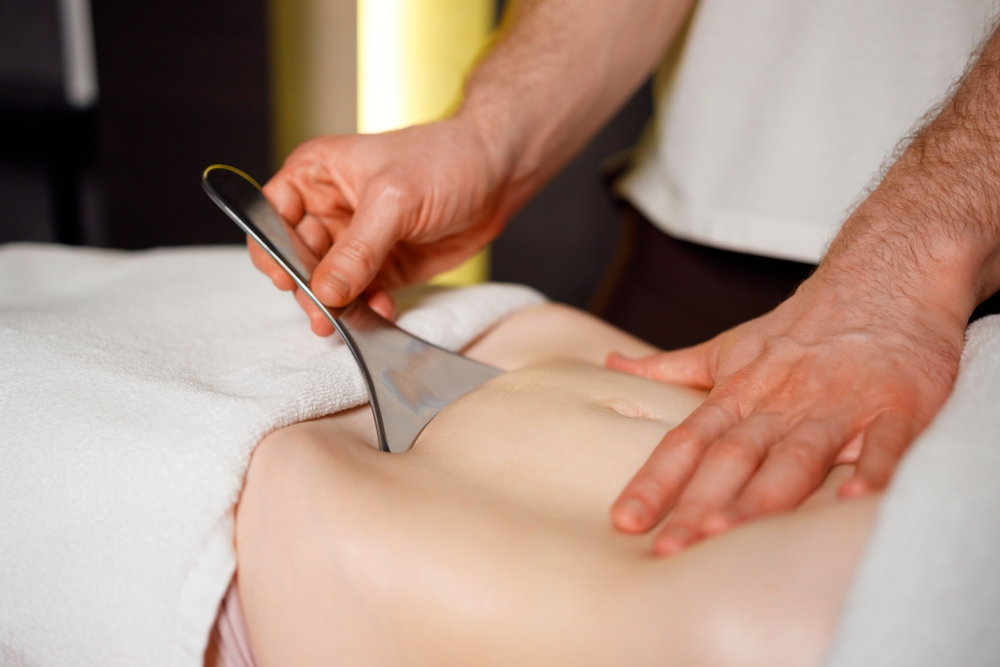
The Graston technique works by creating controlled microtrauma to affected soft tissue structures. When the stainless steel instruments glide over the skin, they effectively break down scar tissue adhesions and fascial restrictions that developed from injury, overuse, or surgery. This process stimulates your body’s natural healing response, increasing blood flow and promoting the formation of healthy tissue.
The tools’ unique design allows practitioners to feel texture changes in the underlying tissue that hands cannot detect. Areas of scarring, fibrosis, and adhesion have different density and texture than healthy tissue. This diagnostic capability helps identify exactly where problems exist and guides precise treatment application.
Research supports Graston therapy’s effectiveness for various soft tissue conditions. Studies show improved outcomes for plantar fasciitis, tennis elbow, carpal tunnel syndrome, and other chronic musculoskeletal problems. The technique has gained widespread acceptance among physical therapists, chiropractors, and sports medicine practitioners.
Conditions Treated with the Graston Technique
Tendinopathies respond particularly well to Graston treatment. Chronic Achilles tendinitis, patellar tendinitis, and rotator cuff tendinopathy often develop scar tissue that perpetuates inflammation and limits healing. The instruments effectively break down these adhesions, allowing proper tissue remodeling and recovery.
Chronic muscle strains and ligament sprains frequently leave behind scar tissue that restricts movement and causes ongoing discomfort. Graston therapy addresses these restrictions, restoring normal tissue glide and eliminating pain associated with adhesions. Hamstring strains, groin pulls, and ankle sprains commonly benefit from this approach.
Repetitive strain injuries including carpal tunnel syndrome, IT band syndrome, and thoracic outlet syndrome involve fascial restrictions that Graston treatment effectively addresses. By releasing the fascial adhesions contributing to nerve and blood vessel compression, symptoms often improve significantly.
Post-surgical scar tissue can limit range of motion and cause persistent discomfort months after procedures. Graston therapy helps remodel surgical adhesions, whether from knee replacement, rotator cuff repair, or other orthopedic surgeries. Treatment typically begins once initial healing is complete, usually several weeks post-surgery.
Conditions Commonly Treated with Graston
- Tendinopathies: Achilles tendinitis, tennis/golfers elbow, patellar tendinitis, rotator cuff issues
- Fascial restrictions: Plantar fasciitis, IT band syndrome, thoracic outlet syndrome
- Muscle strains: Hamstring, quadriceps, calf, and groin injuries with residual scar tissue
- Ligament sprains: Chronic ankle, knee, and wrist sprains with persistent symptoms
- Post-surgical adhesions: Joint replacements, rotator cuff repairs, ACL reconstructions
- Repetitive stress injuries: Carpal tunnel, trigger finger, de Quervain’s tenosynovitis
What to Expect During Treatment
A typical Graston treatment session begins with a brief warm-up to increase blood flow to the target area. This may involve light exercise, moist heat application, or ultrasound therapy. Warming the tissues improves their response to instrument treatment and reduces discomfort.
Your practitioner then applies emollient to the skin and uses the appropriate Graston instrument to scan and treat the affected tissue. The instruments are moved along muscle fibers, across adhesions, and throughout the fascial network. You’ll feel a scraping sensation that can range from mild pressure to more intense, depending on the tissue condition and your tolerance.
Some redness, bruising, and soreness typically occur after treatment—these are normal responses indicating that the tissue is responding. Ice application and gentle stretching following treatment help manage these effects. Most sessions last 15-30 minutes for the Graston component, often combined with other therapeutic interventions.
Treatment Timeline and Frequency
Most patients require 6-12 treatment sessions to achieve optimal results, though some conditions respond faster and others need longer courses. Sessions are typically scheduled once or twice weekly, allowing adequate recovery time between treatments. Your practitioner will adjust frequency based on your tissue response and progress.
Improvement often begins within the first few sessions, though chronic conditions may take longer to show significant change. Combining Graston therapy with specific stretching and strengthening exercises enhances outcomes. Home exercise compliance significantly impacts treatment success and helps maintain improvements long-term.
Some patients benefit from periodic maintenance treatments after completing their initial course. This is particularly true for athletes, workers with repetitive job demands, or individuals prone to recurring soft tissue problems.
Graston Treatment vs. Other Soft Tissue Techniques
While traditional massage therapy works on superficial muscles and circulation, Graston therapy reaches deeper fascial layers and targets specific adhesions. The instruments provide mechanical advantage and diagnostic feedback that hands cannot replicate. Both approaches have value and often complement each other in comprehensive treatment plans.
Active Release Technique (ART) and myofascial release share similar goals with Graston therapy but use different methods. ART relies on practitioner hands combined with patient movement, while myofascial release involves sustained pressure. Graston’s instruments allow more precise targeting and treatment of dense scar tissue.
Dry needling addresses trigger points and fascial restrictions through needle insertion, while Graston works externally. Both techniques effectively treat soft tissue dysfunction, and some practitioners combine them for enhanced results.
Is Graston Treatment Right for You?
Good candidates for Graston therapy include individuals with chronic soft tissue pain that hasn’t fully resolved with rest and traditional physical therapy. If you have palpable scar tissue, movement restrictions, or recurring injuries in the same location, Graston treatment may help break the cycle.
Certain conditions require caution or contraindicate Graston therapy. Active infection, open wounds, unhealed fractures, blood clotting disorders, and certain skin conditions preclude treatment. Pregnancy requires modified approaches. Your practitioner will review your medical history to ensure Graston therapy is appropriate for your situation.
Why Madison Medical for Graston Treatment?
Our team includes certified Graston technique practitioners with extensive experience treating complex soft tissue conditions. Madison Medical sees over 1,200 patients weekly, providing the expertise that comes from high-volume practice. We integrate Graston therapy into comprehensive treatment plans that address all aspects of your condition.
Our facilities include the equipment and space for complete treatment protocols—warming, Graston application, stretching, and strengthening all in one visit. We accept most major insurance plans and offer convenient New Jersey locations with flexible scheduling to fit your treatment needs.
Watch to Learn More
Start Breaking Down Barriers to Healing
Chronic soft tissue problems don’t have to be permanent. When scar tissue and fascial restrictions prevent normal healing, Graston therapy can break through these barriers and jumpstart your recovery. Many patients who’ve struggled for months or years finally find relief with this specialized technique.
Contact Madison Medical to schedule your Graston evaluation. Our practitioners will assess your soft tissue condition, determine if Graston therapy is appropriate, and develop a treatment plan to address your specific needs. Whether you’re dealing with a stubborn sports injury or chronic pain that won’t quit, we have the tools and expertise to help.