
Understanding and Treating Leg Heaviness
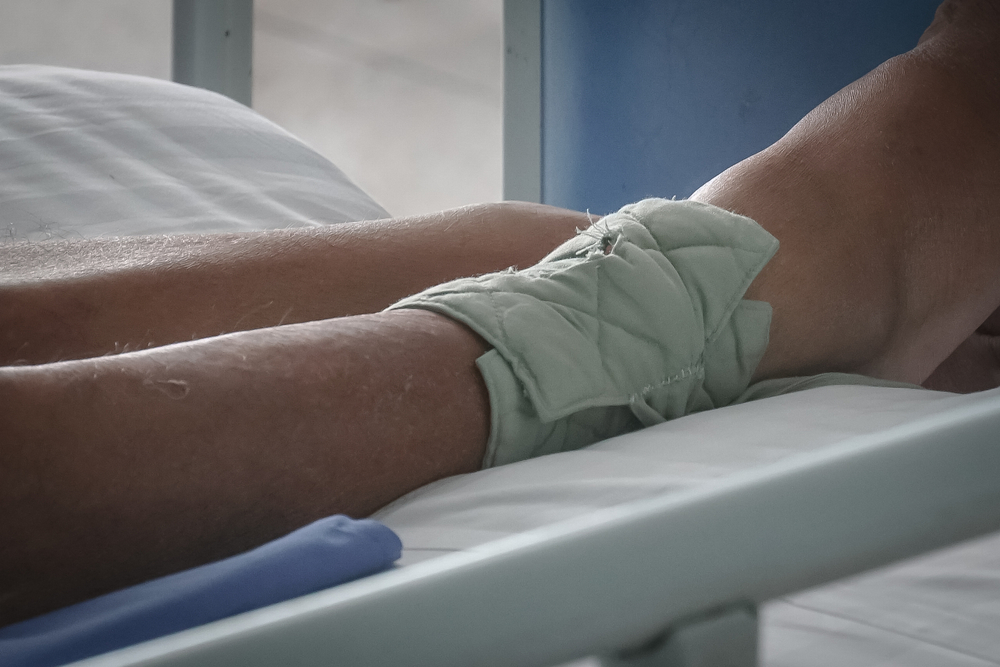
That persistent feeling of leg heaviness that makes your legs feel like they’re weighed down with lead is more than just fatigue—it’s often a sign that your circulatory system needs attention. Leg heaviness affects millions of people, particularly after prolonged standing or sitting, and frequently worsens as the day progresses. While occasionally normal after intense activity, persistent heavy legs typically indicate underlying venous issues that deserve evaluation and treatment.
At Madison Medical, we understand how this symptom impacts your daily life—making work, exercise, and even simple walking feel exhausting. Our comprehensive approach identifies the specific cause of your leg heaviness and develops targeted treatment to restore comfortable, energetic legs. From lifestyle modifications to advanced vascular interventions, we offer solutions that address the root cause rather than masking symptoms.
What Causes Legs to Feel Heavy?
Chronic venous insufficiency (CVI) is the most common cause of leg heaviness. When the valves in your leg veins weaken, blood that should flow upward toward your heart instead pools in the lower legs. This venous pooling creates pressure, swelling, and that characteristic heavy, tired sensation. The problem often worsens with prolonged standing or sitting when gravity exacerbates blood pooling.
Varicose veins frequently accompany and contribute to leg heaviness. These enlarged, twisted veins develop when valve failure allows blood to flow backward and accumulate. Even without visible varicose veins, smaller damaged veins may cause significant symptoms.
Other conditions causing heavy legs include peripheral artery disease (reduced blood flow to the legs), lymphedema (lymphatic fluid accumulation), deep vein thrombosis or its aftermath, and certain medications. Obesity increases leg venous pressure, while sedentary lifestyles weaken the calf muscle pump that normally helps return blood to the heart.
Recognizing Associated Symptoms
Leg heaviness rarely occurs in isolation. You may notice legs that feel tired and achy after standing or sitting, with symptoms improving when you elevate your legs or walk around. Swelling around ankles and lower legs often accompanies the heavy feeling, particularly later in the day.
Visible changes may develop over time. Spider veins (small red or purple vessels), varicose veins (larger bulging veins), and skin discoloration around the ankles suggest chronic venous problems. Itching, burning sensations, and restless leg symptoms frequently occur with venous insufficiency.
More concerning symptoms like leg pain with walking that resolves with rest, sudden severe swelling, or skin ulcers require prompt evaluation. These may indicate arterial problems, blood clots, or advanced venous disease needing immediate attention.
Risk Factors for Leg Heaviness
- Prolonged standing or sitting: Jobs requiring long periods in one position
- Age: Vein valve function naturally decreases with age
- Family history: Venous insufficiency often runs in families
- Pregnancy: Increased blood volume and hormonal changes affect veins
- Obesity: Excess weight increases venous pressure
- Sedentary lifestyle: Weakens the calf muscle pump
Diagnostic Evaluation
Assessment begins with detailed history about your symptoms, when they occur, what makes them better or worse, and any visible vein changes. Physical examination evaluates for swelling, skin changes, and visible varicose veins. Your provider will check pulses to assess arterial circulation.
Venous duplex ultrasound is the primary diagnostic tool for evaluating leg vein function. This non-invasive test visualizes vein structure and blood flow, identifying reflux (backward flow) indicating valve failure. The test maps which veins are affected and the severity of dysfunction.
Additional testing may include arterial studies if reduced blood flow is suspected, blood tests to rule out contributing conditions, and occasionally CT or MRI for complex cases. Comprehensive evaluation ensures accurate diagnosis and appropriate treatment selection.
Lifestyle Modifications That Help
Simple changes often significantly reduce leg heaviness. Regular walking activates the calf muscle pump, helping blood return to the heart. Taking breaks to walk around when standing or sitting for long periods reduces blood pooling. Elevating legs above heart level for 15-20 minutes several times daily drains accumulated fluid.
Compression stockings provide external support to leg veins, reducing swelling and heaviness. Properly fitted medical-grade compression makes a noticeable difference for many patients. Your provider can recommend appropriate compression levels based on your condition severity.
Weight management reduces the venous pressure that excess weight creates. Regular exercise strengthens calf muscles and improves overall circulation. Avoiding prolonged heat exposure, which dilates veins and worsens pooling, helps manage symptoms.
Medical Treatment Options
When lifestyle modifications provide insufficient relief, medical treatments address underlying venous problems. Sclerotherapy injects solution into damaged veins, causing them to close and eventually be absorbed by your body. This works well for spider veins and smaller varicose veins.
Endovenous ablation uses laser or radiofrequency energy to close larger damaged veins. Performed through a small puncture under local anesthesia, this minimally invasive procedure effectively treats venous reflux with minimal downtime. Blood naturally reroutes through healthy veins.
For severe venous insufficiency, more advanced procedures may be recommended. Ambulatory phlebectomy removes larger varicose veins through tiny incisions. In rare cases, vein bypass surgery addresses complex obstructions.
Managing Underlying Conditions
If arterial disease contributes to your symptoms, improving blood flow becomes the priority. Medications, lifestyle changes, and sometimes procedures to open blocked arteries may be needed. Treating underlying conditions like heart failure that contribute to leg swelling addresses root causes.
Lymphedema requires specialized management including manual lymphatic drainage, compression therapy, and exercises designed to promote lymphatic flow. Our team coordinates care for complex cases involving multiple contributing factors.
Why Madison Medical for Leg Heaviness?
Our vascular specialists bring comprehensive expertise to diagnosing and treating venous conditions. Madison Medical sees over 1,200 patients weekly, with extensive experience in both conservative management and minimally invasive vein procedures. We offer in-office diagnostic ultrasound and treatments for convenient, efficient care.
Our integrated approach addresses all contributing factors—venous, arterial, and systemic. We accept most major insurance plans and offer convenient New Jersey locations. From initial evaluation through treatment completion, we’re committed to restoring your leg comfort and energy.
Watch to Learn More
Restore Your Leg Energy
Heavy, tired legs don’t have to be your daily reality. With proper evaluation and treatment, most patients experience significant symptom improvement and return to comfortable, energetic activity. Early treatment prevents progression and complications of venous disease.
Contact Madison Medical to schedule your leg evaluation. Our specialists will identify the cause of your leg heaviness and develop a personalized treatment plan. Whether you need lifestyle guidance, compression therapy, or vein treatment, we’re here to help you feel light on your feet again.