


Expert Meniscus Tears Treatment for Full Recovery
A meniscus tear can transform an active lifestyle into one limited by knee pain, swelling, and instability. Effective meniscus tears treatment depends on the type, location, and severity of your tear, as well as your age, activity level, and overall knee health. Understanding your specific injury helps you participate in treatment decisions and optimize your recovery.
At Madison Medical, our orthopedic and sports medicine specialists provide comprehensive meniscus tear treatment. From accurate diagnosis through complete rehabilitation, we guide patients toward the best possible outcomes—whether through conservative management or surgical intervention.
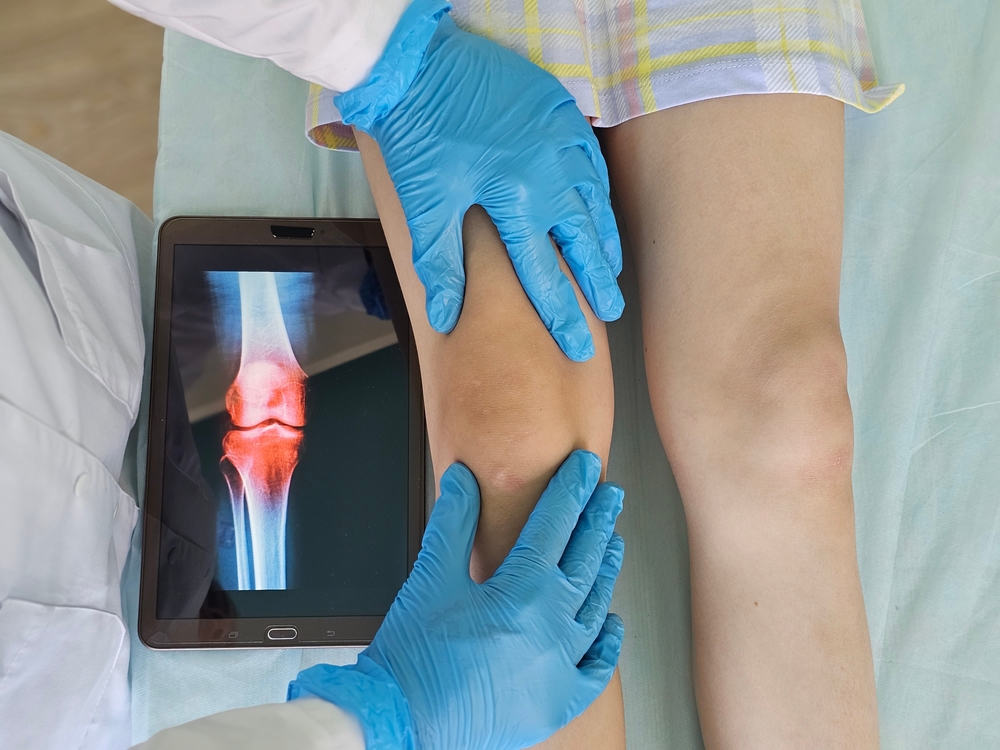
Understanding Meniscus Tears
Each knee contains two menisci—C-shaped pieces of cartilage that act as shock absorbers between your thighbone (femur) and shinbone (tibia). The medial meniscus sits on the inside of the knee, while the lateral meniscus cushions the outer compartment. These vital structures distribute weight, provide stability, and protect the smooth cartilage covering bone surfaces.
Meniscus tears occur in various patterns. Radial tears extend from the inner edge outward. Horizontal tears split the meniscus into upper and lower sections. Bucket-handle tears create a flap that can flip into the joint and cause locking. Complex tears combine multiple patterns. The tear pattern, location, and your individual factors all influence treatment recommendations.
Blood supply matters significantly for healing potential. The outer third of the meniscus receives adequate blood flow and may heal with conservative treatment or repair. The inner two-thirds have limited blood supply, making healing less likely without surgical intervention.
Recognizing Symptoms
Meniscus tears typically cause pain along the joint line—the space between your thighbone and shinbone on the affected side. Swelling usually develops within 24 hours of injury. A popping sensation at the time of injury is common. Many patients describe a catching or locking sensation when bending or straightening the knee.
Giving way or instability occurs when torn meniscus tissue interferes with normal knee mechanics. Difficulty fully straightening the knee suggests a displaced tear blocking joint motion. Pain often worsens with twisting movements, squatting, or going up and down stairs.
Degenerative meniscus tears in older adults may develop gradually without specific injury. These tears cause intermittent symptoms that flare with activity. Morning stiffness and activity-related swelling commonly accompany degenerative tears.
Types of Meniscus Tears
- Radial tears: Extend from inner edge outward; common in younger patients
- Horizontal tears: Split meniscus into layers; often degenerative
- Bucket-handle tears: Large flaps that can cause knee locking
- Complex tears: Multiple tear patterns; often require partial removal
- Degenerative tears: Age-related wear; common after age 40
Diagnostic Evaluation
Physical examination reveals important information about meniscus integrity. Joint line tenderness suggests meniscal involvement. Specific tests like the McMurray test reproduce clicking or pain when the meniscus is stressed. Comparing your injured knee to the healthy side identifies differences in motion and stability.
MRI provides detailed visualization of meniscus structure, showing tear location, pattern, and size. This imaging guides treatment planning by revealing whether a tear is potentially repairable. MRI also identifies other knee problems—ligament injuries, cartilage damage, bone bruising—that often accompany meniscus tears.
X-rays don’t show meniscus tissue but help evaluate joint spacing, alignment, and arthritis that may affect treatment decisions.
Conservative Treatment Options
Many meniscus tears respond well to conservative treatment, particularly degenerative tears, small peripheral tears, and stable tears without mechanical symptoms. Initial management includes rest from aggravating activities, ice application, compression, and elevation. Anti-inflammatory medications reduce pain and swelling.
Physical therapy strengthens muscles surrounding the knee, improving stability and function despite the tear. Quadriceps and hamstring strength helps compensate for some meniscal deficiency. Therapy also addresses range of motion, swelling control, and return to activity.
Corticosteroid injections can reduce inflammation and pain, providing relief that allows more effective rehabilitation. Hyaluronic acid injections may benefit some patients with degenerative tears by improving joint lubrication.
Surgical Treatment
Surgery becomes necessary for tears causing persistent symptoms despite conservative treatment, tears with mechanical symptoms like locking, and certain tear patterns unlikely to heal. Arthroscopic surgery uses small incisions and a camera to access the joint with minimal tissue damage.
Meniscus repair sutures the torn edges together, preserving meniscal tissue and function. Repairs work best for tears in the outer, well-vascularized portion of the meniscus. Younger patients with acute tears generally have better repair outcomes. Recovery from repair requires protecting the healing tissue with crutches and restricted motion initially.
Partial meniscectomy removes only the damaged portion of meniscus when repair isn’t feasible. This procedure provides rapid symptom relief and quick return to activity. However, removing meniscal tissue increases stress on joint surfaces, potentially accelerating arthritis development long-term.
Recovery and Rehabilitation
Recovery timelines vary significantly based on treatment type. Partial meniscectomy allows weight-bearing immediately, with return to sports in 4-6 weeks for many patients. Meniscus repair requires longer protection—typically 4-6 weeks of limited weight-bearing and 3-6 months before returning to high-demand activities.
Physical therapy guides progressive return to function regardless of treatment approach. Strengthening, range of motion, and sport-specific training prepare you for safe return to activity. Following rehabilitation protocols optimizes outcomes and reduces re-injury risk.
Why Madison Medical for Meniscus Tears Treatment?
Our orthopedic and sports medicine team brings extensive experience treating meniscus tears in patients from weekend warriors to competitive athletes. Madison Medical sees over 1,200 patients weekly, providing the expertise needed for accurate diagnosis and optimal treatment selection.
We offer comprehensive care from evaluation through rehabilitation, coordinating physical therapy and surgical services. Most major insurance plans accepted at our convenient New Jersey locations.
Watch to Learn More
Get Your Knee Back to Full Function
A meniscus tear doesn’t have to end your active lifestyle. With proper diagnosis and appropriate treatment, most patients achieve excellent outcomes and return to desired activities. The key is working with specialists who understand meniscal pathology and can guide you toward the best treatment for your specific situation.
Contact Madison Medical to schedule your knee evaluation. Our specialists will assess your injury, explain your options, and develop a treatment plan aimed at restoring full knee function.