

Expert Osgood Schlatter Treatment for Young Athletes
When knee pain below the kneecap sidelines your young athlete, Osgood Schlatter treatment can get them back in the game. This common growth-related condition affects active adolescents, causing pain and swelling at the tibial tubercle where the patellar tendon attaches. While frustrating, proper management leads to complete resolution as growth plates mature.
At Madison Medical, we provide specialized care for Osgood-Schlatter disease and other pediatric sports conditions. Our approach balances symptom management with continued activity when possible, helping young athletes maintain fitness while protecting their developing bones.
Understanding Osgood-Schlatter Disease
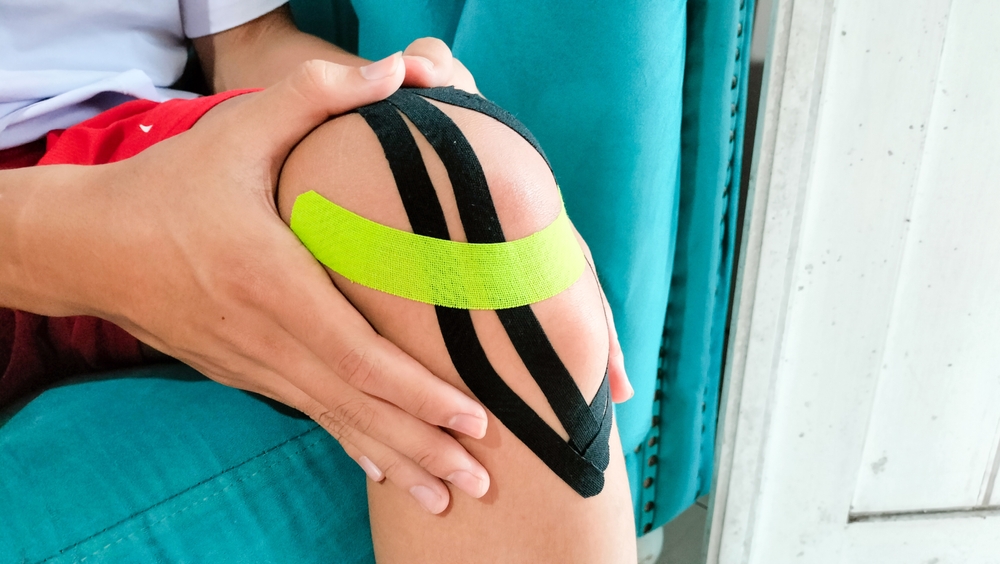
Osgood-Schlatter disease occurs during growth spurts when bones are growing faster than muscles and tendons can adapt. The patellar tendon attaches to the tibial tubercle—a bony bump just below the kneecap. Repetitive stress from running, jumping, and kicking pulls on this attachment point, causing inflammation and pain.
The condition typically affects adolescents during growth spurts: ages 10-15 for boys and 8-13 for girls. Athletes in sports involving running and jumping—basketball, soccer, volleyball, gymnastics—are most commonly affected. Both knees are involved in about 25% of cases.
While painful and sometimes prolonged, Osgood-Schlatter disease is self-limiting. It resolves when the growth plate at the tibial tubercle closes, typically by age 14-18 depending on gender and individual growth patterns. A permanent bump may remain but rarely causes long-term problems.
Recognizing Symptoms
Pain and swelling at the tibial tubercle are the hallmark symptoms. The bony bump below the kneecap becomes tender to touch and may visibly enlarge. Pain worsens with activity—especially running, jumping, squatting, and climbing stairs—and improves with rest.
Tightness in the quadriceps and hamstrings commonly accompanies the condition. Some athletes limp after activity. Kneeling is often painful due to direct pressure on the affected area. Symptoms may fluctuate with activity level and growth spurts.
Risk Factors for Osgood-Schlatter Disease
- Age: Adolescents during growth spurts most commonly affected
- Sports participation: Running and jumping sports increase risk
- Training intensity: Sudden increases in activity level
- Muscle tightness: Tight quadriceps and hamstrings contribute
- Gender: Historically more common in boys; gap narrowing with increased female sports participation
Diagnosis
Diagnosis is typically made clinically based on history and physical examination. The characteristic location of pain and tenderness, age of the patient, and activity history point clearly to Osgood-Schlatter disease. The tibial tubercle is tender to palpation and often prominently enlarged.
X-rays may be obtained to rule out other conditions if the presentation is atypical. Imaging may show fragmentation or prominence of the tibial tubercle but isn’t required for diagnosis in classic cases. MRI is rarely needed unless another condition is suspected.
Treatment Approaches
Activity modification is the cornerstone of treatment. This doesn’t mean complete rest—rather, adjusting activity to a level that doesn’t cause significant pain. Some athletes can continue playing with modifications, while others need temporary breaks from aggravating activities.
Ice application after activity reduces inflammation and pain. Applying ice for 15-20 minutes several times daily helps manage symptoms. Over-the-counter anti-inflammatory medications provide additional relief when needed.
Stretching exercises address the muscle tightness that contributes to the condition. Regular quadriceps and hamstring stretching reduces tension on the tibial tubercle. Physical therapy may be recommended for comprehensive stretching and strengthening programs.
Patellar tendon straps or knee sleeves provide support and may reduce symptoms during activity. Proper footwear with good shock absorption helps. Gradual return to full activity follows symptom improvement.
When Symptoms Persist
Most cases resolve with conservative management, but some athletes have prolonged symptoms. Formal physical therapy addresses biomechanical factors that may be perpetuating the condition. In rare cases where a painful ossicle (bone fragment) persists after growth plate closure, surgical removal may be considered.
Return to Sports Safely
Athletes with Osgood-Schlatter disease are understandably eager to return to full activity. The key is graduated return based on symptoms, not arbitrary timelines. Beginning with low-impact activities, then progressing to running, jumping, and sports-specific drills allows safe return while monitoring symptoms. Rushing return risks prolonging recovery.
Ongoing prevention strategies help manage symptoms through the growth years. Pre-activity warm-up, post-activity stretching and icing, and activity load management allow continued participation while minimizing flares. Custom knee straps or braces provide additional support during higher-risk activities.
Most young athletes with Osgood-Schlatter continue playing sports throughout treatment with appropriate modifications. Complete rest is rarely necessary and may actually slow recovery compared to modified activity approaches.
Ice application after activity reduces inflammation and pain. Anti-inflammatory medications may provide additional relief during flare-ups. Knee pads protect the tibial tubercle from direct trauma during sports like basketball or volleyball.
Stretching the quadriceps and hamstrings reduces tension on the tibial tubercle. Foam rolling the thigh muscles can also help. These flexibility exercises should become part of daily routine during the growth years when Osgood-Schlatter is most active.
Why Madison Medical for Osgood-Schlatter Treatment?
We specialize in pediatric and adolescent sports conditions including Osgood-Schlatter disease. Madison Medical sees over 1,200 patients weekly, with experience helping young athletes manage this common condition. Our approach balances symptom management with continued activity when appropriate.
We coordinate physical therapy and provide guidance on return to sports. Most major insurance plans accepted at our convenient New Jersey locations.
Watch to Learn More
Get Your Young Athlete Back in Action
Osgood-Schlatter disease is frustrating but manageable. With proper treatment, most young athletes can continue participating in sports while symptoms gradually resolve. Understanding the condition helps families navigate the sometimes lengthy recovery.
Contact Madison Medical to schedule an evaluation for your young athlete’s knee pain. Our specialists will confirm the diagnosis and develop a management plan that keeps them as active as possible.