


Comprehensive Peripheral Neuropathy Treatment
When damaged peripheral nerves cause numbness, tingling, burning, or weakness in your extremities, specialized peripheral neuropathy treatment can provide meaningful relief and help prevent progression. Peripheral neuropathy affects the nerves outside your brain and spinal cord—those carrying sensory, motor, and autonomic signals throughout your body. With over 100 types of peripheral neuropathy, accurate diagnosis and individualized treatment are essential for optimal outcomes.
At Madison Medical, our specialists provide comprehensive peripheral neuropathy evaluation and treatment. We identify the specific cause of your nerve damage, determine which nerve types are affected, and develop targeted treatment plans addressing both underlying conditions and bothersome symptoms. Our goal is slowing progression, managing your symptoms, and maintaining your quality of life.
Understanding Peripheral Neuropathy
The peripheral nervous system connects your brain and spinal cord to the rest of your body. Sensory nerves transmit sensations like touch, temperature, and pain. Motor nerves carry commands to muscles. Autonomic nerves control automatic functions like heart rate, blood pressure, and digestion. Peripheral neuropathy can affect any combination of these nerve types.
Neuropathy patterns help guide diagnosis and treatment. Polyneuropathy affects multiple nerves symmetrically, typically starting in the feet and hands. Mononeuropathy affects single nerves. Mononeuritis multiplex affects multiple individual nerves in an asymmetric pattern. Each pattern suggests different underlying causes.
Small fiber neuropathy affects the tiny nerves close to the skin surface, causing pain, burning, and temperature sensation changes. Large fiber neuropathy affects larger nerves, causing numbness, weakness, and balance problems. Many patients have mixed involvement.
Common Symptoms
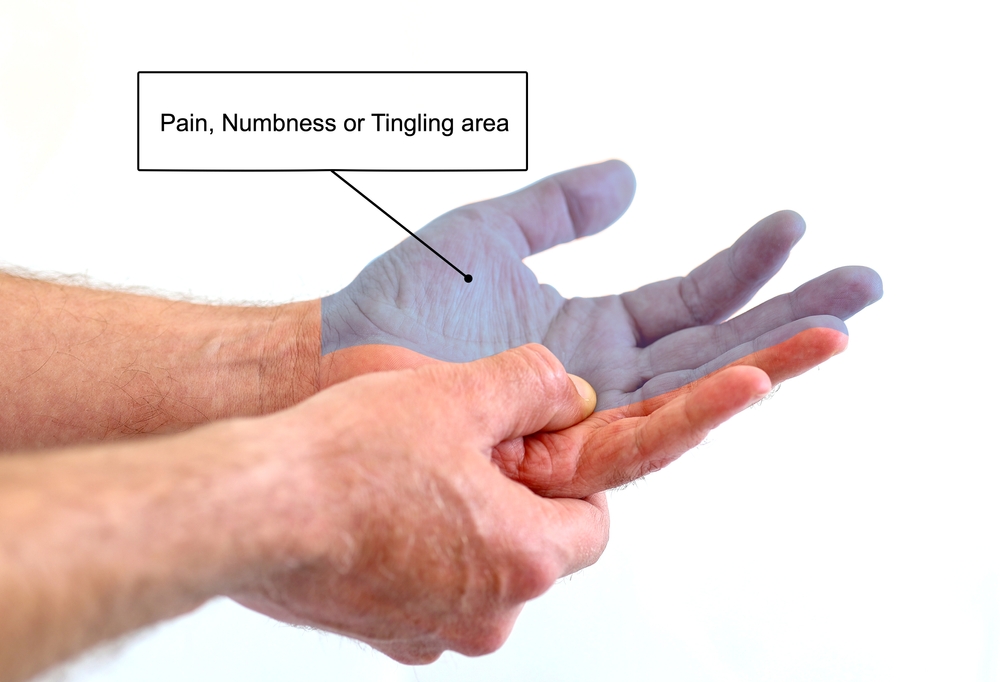
Sensory symptoms typically appear first in the hands and feet. Numbness may feel like wearing gloves or socks. Tingling, “pins and needles,” or electric sensations are common. Some experience burning pain, while others have shooting or stabbing sensations. Loss of temperature or pain perception creates safety concerns.
Motor symptoms include muscle weakness, cramps, twitching, and loss of coordination. Foot drop—difficulty lifting the front of the foot—causes tripping. Hand weakness affects grip and fine motor skills. Muscle wasting may develop in advanced cases.
Autonomic symptoms affect internal organ function. You might experience lightheadedness when standing, abnormal sweating, digestive issues, bladder dysfunction, or heart rate irregularities. These symptoms indicate widespread nerve involvement.
Causes of Peripheral Neuropathy
- Diabetes: The most common cause, affecting up to half of diabetics
- Autoimmune disorders: Guillain-Barré syndrome, CIDP, lupus, rheumatoid arthritis
- Infections: Shingles, Lyme disease, HIV, hepatitis C
- Nutritional: B12, B1, B6, folate, and vitamin E deficiencies
- Toxic: Alcohol, chemotherapy, heavy metals, certain medications
- Hereditary: Charcot-Marie-Tooth disease and other genetic conditions
Diagnostic Evaluation
Comprehensive history explores symptom onset, distribution, progression, and associated factors. Medical history, medications, occupational exposures, and family history provide diagnostic clues. A detailed symptom timeline helps identify potential causes.
Neurological examination assesses sensation, strength, reflexes, and coordination systematically. Nerve conduction studies and EMG measure how well nerves conduct electrical signals and how muscles respond. These tests quantify neuropathy severity and help distinguish different neuropathy types.
Laboratory testing screens for common causes: blood sugar, vitamin levels, thyroid function, kidney and liver function, autoimmune markers, and infection studies. Additional testing may include nerve biopsy, skin biopsy for small fiber neuropathy, genetic testing, or lumbar puncture.
Treatment Approaches
Identifying and treating underlying causes is fundamental. Blood sugar control in diabetics can slow progression. Vitamin supplementation corrects deficiencies. Immunomodulating treatments help autoimmune neuropathies. Eliminating toxins prevents further damage.
Symptomatic treatment manages pain and discomfort. Antidepressants like duloxetine and amitriptyline modify pain processing. Anticonvulsants including gabapentin and pregabalin calm hyperactive nerves. Topical treatments provide localized relief. Treatment selection depends on symptom patterns and individual response.
Physical and occupational therapy maintain function, teach compensatory strategies, and address balance problems. Orthotics support weak muscles and protect vulnerable feet. Fall prevention programs reduce injury risk from balance impairment.
Advanced Treatment Options
For autoimmune neuropathies, immunotherapy options include IV immunoglobulin, plasma exchange, and immunosuppressive medications. These treatments address the underlying immune dysfunction causing nerve damage.
Neuromodulation techniques like spinal cord stimulation provide pain relief when medications are insufficient. This approach modifies pain signal transmission and can significantly improve quality of life for appropriate candidates.
Monitoring and Long-Term Management
Peripheral neuropathy often requires ongoing management and monitoring. Regular nerve conduction studies track progression or improvement. Medication adjustments optimize symptom control as needs change. Routine foot examinations prevent complications from sensory loss. Annual screening for underlying conditions ensures continued appropriate treatment.
Lifestyle factors influence neuropathy outcomes. Maintaining healthy blood sugar, avoiding alcohol excess, eating a balanced diet rich in B vitamins, and regular exercise all support nerve health. Smoking cessation improves circulation to peripheral nerves.
Support groups and patient education programs help people with peripheral neuropathy cope with challenges and learn from others’ experiences. Understanding your condition empowers you to participate actively in treatment decisions.
Why Madison Medical for Peripheral Neuropathy?
Our specialists bring comprehensive expertise to peripheral neuropathy diagnosis and management. Madison Medical sees over 1,200 patients weekly, with access to electrodiagnostic testing, extensive laboratory evaluation, and advanced treatment options. We develop individualized plans addressing your specific neuropathy type.
Our integrated approach coordinates diagnostic testing, cause treatment, and symptom management. Most major insurance accepted at our convenient New Jersey locations.
Watch to Learn More
Take Control of Your Nerve Health
Peripheral neuropathy requires expert evaluation to identify causes and optimize treatment. Early intervention offers the best chance of slowing progression and maintaining function. Don’t let nerve symptoms progress without proper assessment.
Physical activity appropriate to your ability level helps maintain muscle mass and may support nerve regeneration. Contact Madison Medical to schedule your peripheral neuropathy evaluation. Our specialists will thoroughly assess your condition and develop a comprehensive treatment plan tailored to your needs.