


Effective Plantar Warts Treatment
Plantar warts can make every step uncomfortable, and their stubborn nature often frustrates patients seeking relief. Effective plantar warts treatment requires understanding that these viral lesions embed deep into the thick skin of the foot, making them more challenging to treat than warts elsewhere on the body. Multiple treatment sessions are often needed for complete resolution.
At Madison Medical, we offer comprehensive plantar wart treatment using various approaches tailored to your specific situation. From topical treatments to in-office procedures, we work with you to eliminate these painful lesions and prevent recurrence.
Understanding Plantar Warts
Plantar warts are caused by the human papillomavirus (HPV) infecting the skin on the bottom of the feet. The virus enters through tiny cuts or breaks in the skin. Weight-bearing pressure pushes the wart inward, creating the characteristic appearance and causing pain when walking.
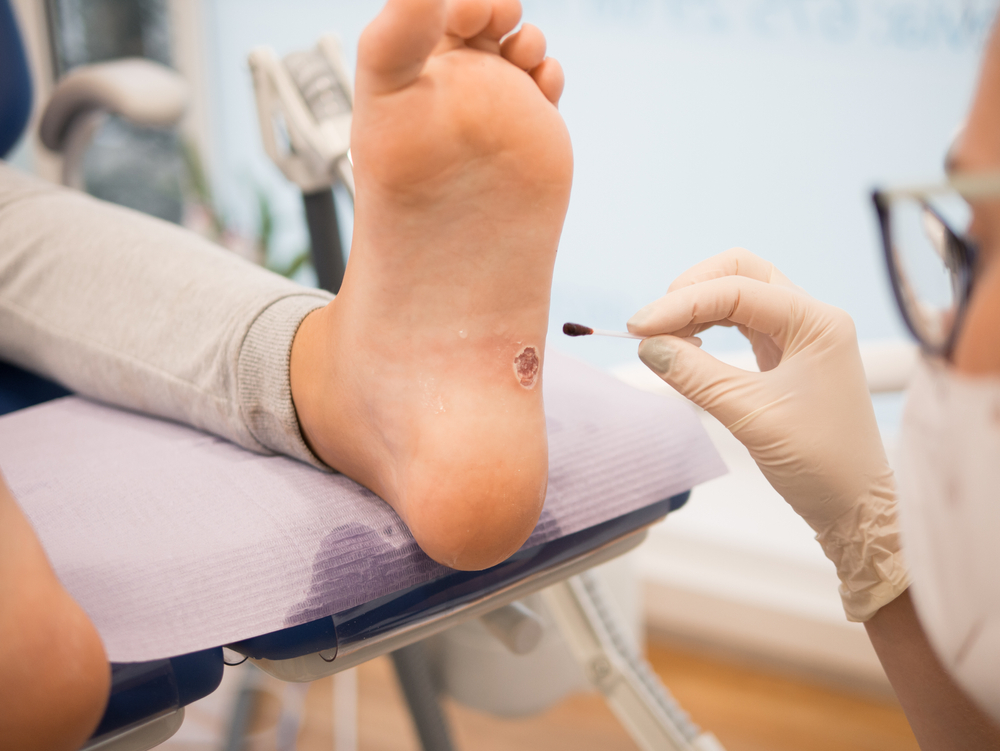
Unlike warts on other body areas that grow outward, plantar warts grow into the foot. They’re often covered by a thick layer of callused skin, making them appear flat. Small black dots within the wart are actually tiny blood vessels that have grown into the lesion.
Plantar warts commonly occur in children and young adults, though anyone can develop them. Exposure to the virus in communal areas like swimming pools, locker rooms, and showers increases risk. People with weakened immune systems are more susceptible.
Recognizing Plantar Warts
Plantar warts appear as rough, grainy growths on the sole of the foot, often at pressure points like the heel or ball of the foot. They may occur singly or in clusters (mosaic warts). The thick callus covering the wart often makes identification difficult without examination.
Pain with walking or standing is the most common complaint. The sensation is often described as walking on a pebble. Squeezing the wart from the sides typically produces pain, helping distinguish warts from calluses. Black pinpoint dots visible when the surface is pared down confirm the diagnosis.
Plantar Wart vs. Callus
- Plantar wart: Contains black dots (blood vessels); painful with side-to-side squeeze; disrupts normal skin lines
- Callus: No black dots; painful with direct pressure; skin lines pass through normally
Treatment Options
Over-the-counter salicylic acid treatments work for many plantar warts with consistent application over weeks to months. These products gradually break down the wart tissue. Daily filing of dead tissue between applications improves penetration. Patience and persistence are key – treatment often takes 8-12 weeks.
Cryotherapy (freezing) is a common in-office treatment. Liquid nitrogen freezes the wart, destroying the infected tissue. Multiple treatments are usually needed, spaced 2-3 weeks apart. The procedure causes mild to moderate discomfort and may produce blisters that heal over several days.
Cantharidin is a blistering agent applied in the office that causes the wart to separate from underlying tissue. A blister forms beneath the wart, and when it dries, the wart often comes off with it. This treatment is particularly useful for children who fear freezing treatments.
Immunotherapy approaches stimulate the body’s immune system to fight the HPV infection. Injection of antigens into or around the wart triggers immune response. This approach may clear warts that haven’t responded to other treatments.
Advanced Treatments
Laser treatment uses focused light energy to destroy wart tissue and blood supply. This option is considered for resistant warts after simpler treatments fail. Surgical removal may be recommended for stubborn, painful warts. Because surgery leaves scars on the sole of the foot, it’s typically reserved for last-resort situations.
Prevention
Preventing plantar warts focuses on reducing HPV exposure and maintaining healthy foot skin. Wearing shower shoes in communal areas reduces contact with the virus. Keeping feet dry reduces skin breakdown that allows virus entry. Avoiding direct contact with warts – including your own – prevents spread.
Preventing Spread and Recurrence
Plantar warts are caused by HPV and can spread to other areas of your feet or to other people. Avoid picking at warts, which can spread the virus. Keep feet dry when possible, as the virus thrives in moist environments. Don’t share towels, shoes, or socks with others. Wear sandals in communal showers and around pools.
After treatment, monitor for recurrence which can occur when the virus remains in surrounding skin. New warts appearing near treatment sites may need additional intervention. Some patients require maintenance treatment protocols to prevent frequent recurrence. Boosting immune function through healthy lifestyle helps your body fight the virus.
Immune health affects how your body handles HPV infection. Stress management, adequate sleep, balanced nutrition, and regular exercise support immune function. Some patients with recurrent warts benefit from immune-boosting strategies alongside direct treatment.
Multiple warts may require several treatment sessions over weeks to months for complete resolution. Patience is important – premature stopping of treatment often leads to recurrence when viral particles remain in deeper skin layers.
Children are more susceptible to plantar warts due to developing immune systems and exposure through barefoot activities. Treatment in children may require gentler approaches, and patience is especially important as their immune systems learn to fight HPV.
Why Madison Medical for Plantar Wart Treatment?
We provide comprehensive plantar wart treatment using multiple approaches. Madison Medical sees over 1,200 patients weekly, with experience treating stubborn warts that haven’t responded to over-the-counter remedies. We offer various treatment options and work with you to find an effective solution.
Our approach considers your comfort, lifestyle, and treatment preferences. Most major insurance plans accepted at our convenient New Jersey locations.
Watch to Learn More
Get Rid of Painful Plantar Warts
Plantar warts can be stubborn, but effective treatment options exist. Don’t suffer with painful walking when professional treatment can help. Most warts eventually resolve with appropriate, persistent treatment.
Contact Madison Medical to schedule your evaluation. Our specialists will examine your warts and recommend the treatment approach most likely to succeed for your situation.