
Effective Shin Splints Treatment
When pain and dysfunction limit your activities, finding effective shin splints treatment becomes a priority. This common condition affects people of all ages and activity levels. With proper diagnosis and targeted treatment, most patients achieve significant improvement and return to their desired activities.
At Madison Medical, we provide comprehensive evaluation and treatment for this condition. Our experienced team uses evidence-based approaches to identify the underlying causes and develop personalized treatment plans that address your specific needs and goals.
Understanding the Condition
This condition develops when tissues become irritated, injured, or dysfunctional. Various factors contribute including overuse, acute injury, biomechanical problems, and age-related changes. Understanding the specific cause of your symptoms guides appropriate treatment selection.
The severity ranges from mild discomfort to significant functional limitation. Early intervention typically produces better outcomes than waiting for symptoms to become severe. Proper evaluation ensures accurate diagnosis and targeted treatment.
Recognizing Symptoms
Pain is the most common symptom, ranging from mild aching to severe discomfort. The pain may worsen with certain activities or movements. Swelling, stiffness, and reduced range of motion often accompany the condition. Some patients experience weakness or instability.
Symptoms may develop gradually over time or appear suddenly following injury. The pattern of symptoms helps identify the specific structures involved. Associated symptoms provide additional diagnostic clues.
Common Symptoms
- Pain: Localized discomfort that may radiate to surrounding areas
- Swelling: Inflammation causing visible or palpable enlargement
- Stiffness: Reduced flexibility and range of motion
- Weakness: Decreased strength affecting function
- Instability: Feeling of giving way or lack of support
Causes and Risk Factors
Multiple factors contribute to this condition. Overuse from repetitive activities places chronic stress on tissues. Acute injuries from falls, sports, or accidents cause sudden damage. Age-related degeneration weakens structures over time. Poor biomechanics increases stress on vulnerable tissues.
Risk factors include participation in certain sports or occupations, previous injuries, inadequate conditioning, and specific anatomical variations. Identifying contributing factors helps guide treatment and prevention strategies.
Diagnostic Evaluation
Comprehensive evaluation begins with detailed history about symptom onset, character, and aggravating factors. Physical examination identifies specific areas of tenderness, assesses range of motion and strength, and performs special tests that stress specific structures.
Imaging studies may include X-rays to evaluate bone structures and MRI or ultrasound to visualize soft tissues. The choice of imaging depends on suspected diagnoses and physical examination findings. Not all cases require advanced imaging.
Treatment Options
Conservative treatment resolves most cases effectively. Rest from aggravating activities allows initial healing. Ice application reduces inflammation and pain. Compression and elevation may help reduce swelling. Anti-inflammatory medications provide symptom relief.
Physical therapy addresses underlying biomechanical factors, strengthens supporting muscles, and restores normal movement patterns. Manual therapy techniques may improve tissue mobility. A structured rehabilitation program optimizes recovery.
Injection treatments deliver medication directly to affected tissues when oral treatments are insufficient. Corticosteroid injections reduce inflammation. Other injectable options may be appropriate depending on the specific condition.
Surgical treatment is considered when conservative measures fail to provide adequate relief. Modern surgical techniques often use minimally invasive approaches with faster recovery. Surgical decisions depend on the specific diagnosis and individual patient factors.
Prevention and Return to Running
Preventing shin splints recurrence requires addressing contributing factors. Gradual training progression—following the 10% rule for weekly mileage increases—prevents overload. Proper running shoes appropriate for your foot type and running style provide essential support. Replacing shoes every 300-500 miles ensures adequate cushioning.
Running surface matters—mixing softer surfaces like trails or tracks with harder pavement reduces cumulative stress. Avoiding sudden increases in hill running or speed work gives your legs time to adapt. Cross-training with low-impact activities maintains fitness while reducing leg stress.
Strengthening the muscles around the shin prevents recurrence. Toe raises, heel walks, and calf raises build supporting muscle. Stretching the calves and Achilles tendon reduces tension contributing to shin pain. Foam rolling the calf muscles addresses tightness that pulls on the shin.
Understanding Shin Splints
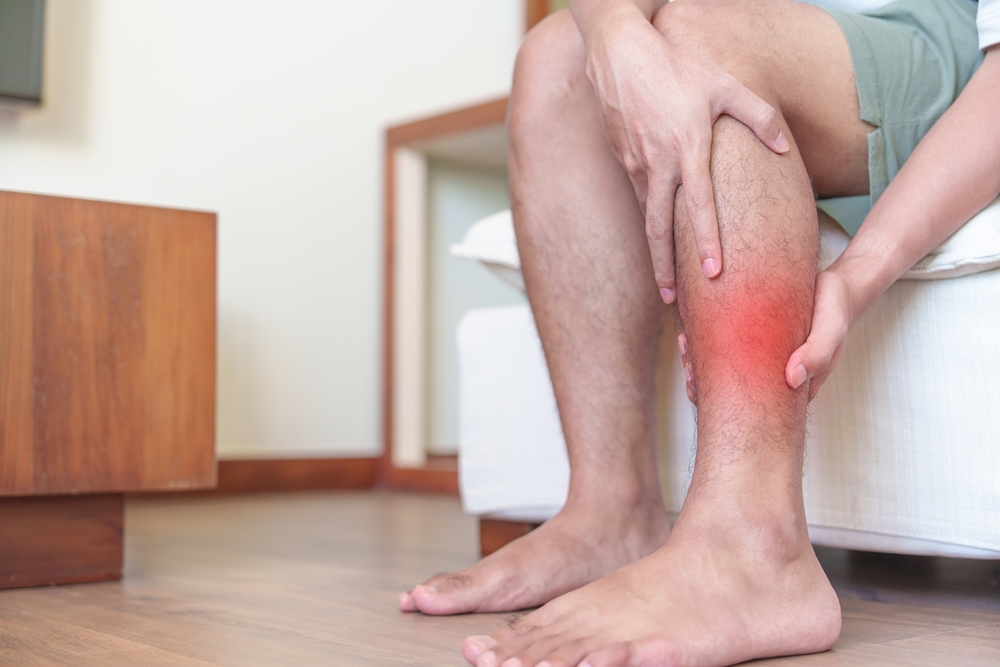
Shin splints, medically known as medial tibial stress syndrome, occur when the muscles, tendons, and bone tissue around the tibia become overworked. The condition is most common in runners and athletes who have recently intensified their training. Military recruits, dancers, and anyone starting a new high-impact exercise program are also at risk.
The pain typically occurs along the inner border of the tibia, the large bone in the front of your lower leg. Unlike stress fractures, shin splints cause diffuse tenderness over a larger area. However, untreated shin splints can progress to stress fractures, making proper treatment important.
Contributing factors include overpronation, running on hard surfaces, inadequate footwear, and training errors. Weak core and hip muscles may also play a role by altering lower extremity mechanics.
Physical therapy addresses contributing factors including muscle weakness, flexibility deficits, and running mechanics. Strengthening the calves, tibialis muscles, and core provides better support for the lower leg during impact activities.
Why Madison Medical?
We provide comprehensive evaluation and treatment using evidence-based approaches. Madison Medical sees over 1,200 patients weekly, with extensive experience managing this condition. Our integrated team coordinates care from diagnosis through complete rehabilitation.
We take time to explain your diagnosis and involve you in treatment decisions. Most major insurance plans accepted at our convenient New Jersey locations.
Watch to Learn More
Take the Next Step
You don’t have to live with persistent symptoms. Effective treatment exists, and most patients achieve meaningful improvement with appropriate care. The key is accurate diagnosis and targeted treatment.
Contact Madison Medical to schedule your evaluation. Our specialists will assess your condition and develop a personalized treatment plan to restore your function and comfort.