
Effective Spider Vein Treatment for Clearer Legs
Those thin, web-like clusters of red, purple, or blue veins on your legs aren’t just a cosmetic concern – they often signal underlying venous issues that deserve attention. Spider vein treatment effectively eliminates these visible vessels while addressing the venous dysfunction that caused them. Whether you’re bothered by their appearance, experiencing associated symptoms, or concerned about progression, modern treatment options offer excellent results with minimal downtime.
At Madison Medical, we provide comprehensive spider vein care that goes beyond simple cosmetic improvement. Our vascular specialists evaluate your entire venous system to identify underlying problems, then develop personalized treatment plans that address both visible vessels and their root causes. From sclerotherapy to advanced laser treatments, we offer the full spectrum of options to achieve the clearest, healthiest legs possible.
Understanding Spider Veins
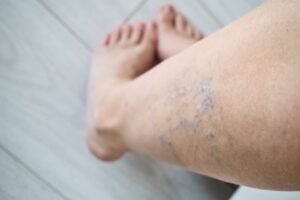
Spider veins, medically called telangiectasias, are small dilated blood vessels near the skin surface. They typically appear as thin lines, branches, or web-like clusters, most commonly on the legs and face. Unlike varicose veins, which are larger and bulging, spider veins are usually 1-3 millimeters in diameter and sit closer to the skin surface.
These vessels develop when the small one-way valves inside veins weaken, allowing blood to flow backward and pool. The resulting pressure dilates the tiny vessels, making them visible through the skin. While spider veins themselves are usually harmless, they often indicate broader venous dysfunction that may progress over time.
Spider veins affect both men and women, though women develop them more frequently. They commonly appear on the thighs, calves, ankles, and behind the knees. Facial spider veins often occur around the nose and cheeks. The condition tends to worsen with age and may develop significant patches if left untreated.
Symptoms and When to Seek Treatment
Many people seek spider vein treatment primarily for cosmetic reasons – the visible vessels make them self-conscious about wearing shorts, skirts, or swimwear. However, spider veins can also cause physical symptoms including aching, burning, itching, and heaviness in the affected areas.
Some patients experience leg fatigue, especially after prolonged standing. Nighttime leg cramps may accompany spider veins. Tenderness over clusters of vessels sometimes occurs. These symptoms often indicate underlying venous insufficiency affecting larger veins as well.
Warning signs suggesting more significant venous problems include persistent leg swelling, skin discoloration around ankles, and development of larger varicose veins. Ulcers or wounds that don’t heal require prompt evaluation. Even without symptoms, progressive spider vein development warrants assessment.
What Causes Spider Veins?
Heredity is the strongest risk factor – if your parents have spider or varicose veins, you’re more likely to develop them. Genetic factors influence vein wall strength and valve function. This predisposition means prevention efforts can slow but may not completely prevent spider vein development.
Hormonal influences explain why women are more commonly affected. Pregnancy, birth control pills, and hormone replacement therapy all impact vein walls and can trigger spider vein formation. Hormonal fluctuations during menstrual cycles may worsen symptoms.
Lifestyle factors contribute significantly. Prolonged standing or sitting increases venous pressure in the legs. Obesity adds additional strain on leg veins. Sun exposure damages the skin and underlying vessels, particularly on the face. Aging naturally weakens vein walls and valves.
Risk Factors for Spider Veins
- Family history: Strong genetic predisposition for vein problems
- Gender: Women develop spider veins more frequently than men
- Hormones: Pregnancy, birth control, and HRT increase risk
- Age: Vein valve function weakens with age
- Occupation: Jobs requiring prolonged standing or sitting
- Obesity: Excess weight increases venous pressure
Diagnostic Evaluation
Comprehensive evaluation begins with visual examination of your legs, noting the location, extent, and pattern of spider veins. Your provider will check for associated varicose veins and signs of chronic venous insufficiency. Discussion of symptoms, family history, and lifestyle factors helps complete the picture.
Venous duplex ultrasound evaluates the deeper venous system, identifying any underlying venous insufficiency that should be addressed before or alongside spider vein treatment. This non-invasive test reveals whether larger veins have reflux that’s feeding the spider veins.
Understanding the full scope of venous involvement ensures treatment addresses root causes, not just visible symptoms. Treating spider veins without addressing underlying problems often leads to faster recurrence.
Sclerotherapy Treatment
Sclerotherapy remains the gold standard for spider vein treatment on the legs. During this procedure, a solution is injected directly into the spider veins using a very fine needle. The solution irritates the vessel lining, causing it to collapse and eventually be absorbed by your body.
Treatment sessions typically take 15-45 minutes depending on the area covered. Most patients require 2-4 sessions spaced several weeks apart for optimal results. Treated veins fade gradually over 3-6 weeks following each session.
Modern sclerotherapy uses improved solutions with fewer side effects. Foam sclerotherapy uses air-mixed solution for enhanced effectiveness on larger vessels. Visual sclerotherapy treats surface veins, while ultrasound-guided sclerotherapy addresses deeper feeding veins.
Laser and Light Treatments
Surface laser treatment works well for very small spider veins and facial vessels. Laser energy heats the vessel, causing it to collapse without injection. Multiple sessions are typically needed. Laser is particularly useful for vessels too small for needle access.
Intense pulsed light (IPL) treats spider veins and associated skin discoloration simultaneously. This technology is especially effective for facial spider veins and can improve overall skin appearance while addressing visible vessels.
After Treatment Care
Compression stockings are typically worn for 1-2 weeks following sclerotherapy to help treated veins stay closed and reduce bruising. Walking is encouraged to promote circulation, but strenuous exercise, hot baths, and sun exposure should be avoided initially.
Bruising and temporary darkening along treated veins are common and resolve over several weeks. Slight tenderness may occur but is usually minimal. Serious complications are rare when treatment is performed by experienced providers.
Why Madison Medical for Spider Vein Treatment?
Our vascular specialists bring focused expertise to treating spider and varicose veins. Madison Medical sees over 1,200 patients weekly, with extensive experience in sclerotherapy and laser vein treatment. We evaluate your complete venous system to ensure comprehensive treatment.
Our in-office treatments are convenient and require minimal downtime. We accept most major insurance plans and offer convenient New Jersey locations. From evaluation through final results, we’re committed to helping you achieve clearer, more comfortable legs.
Watch to Learn More
Achieve Clearer, Healthier Legs
Spider veins are common but highly treatable. Modern treatment options effectively eliminate visible vessels with minimal discomfort and downtime. Addressing underlying venous issues prevents rapid recurrence and protects your long-term vein health.
Contact Madison Medical to schedule your spider vein consultation. Our specialists will evaluate your veins, explain your treatment options, and develop a plan to achieve the clear legs you want. Whether you’re bothered by appearance, symptoms, or both, we’re here to help.