

Comprehensive Spondylolisthesis Treatment
When one vertebra slips forward over the one below it, specialized spondylolisthesis treatment can relieve pain and restore spinal stability. This condition ranges from minor slippage causing no symptoms to significant displacement requiring surgical correction. Understanding your specific situation guides treatment decisions—from physical therapy and activity modification to bracing or surgery when needed.
At Madison Medical, our spine specialists provide comprehensive spondylolisthesis evaluation and treatment. We accurately diagnose the type, grade, and stability of your slippage, then develop individualized treatment plans. Whether you need conservative management or surgical intervention, we guide you through every step toward improved function and reduced pain.
Understanding Spondylolisthesis
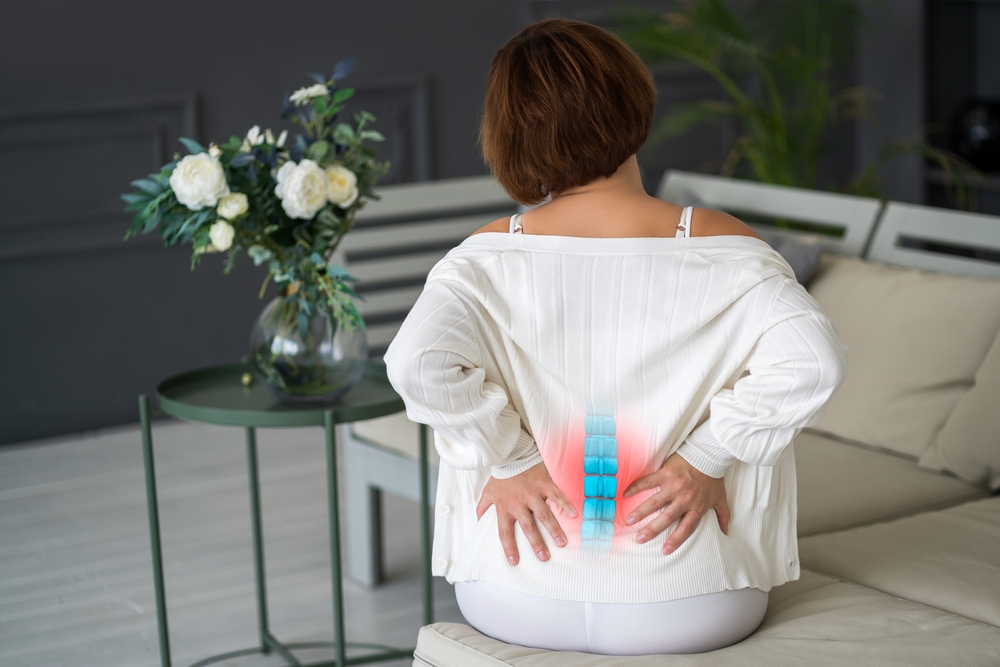
Spondylolisthesis occurs when a vertebra—most commonly in the lower lumbar spine—slips forward relative to the vertebra below. The condition has several causes and classifications. Isthmic spondylolisthesis results from stress fractures in a part of the vertebra called the pars interarticularis, common in young athletes. Degenerative spondylolisthesis develops from age-related disc and joint changes, typically after age 50.
Less common types include congenital (present at birth), traumatic (from injury), pathological (from disease weakening bone), and iatrogenic (following surgery). The type influences treatment approach and prognosis.
Grading from I to V describes slippage severity based on percentage of vertebral body displacement. Grade I is less than 25% slippage; Grade V (spondyloptosis) means complete displacement. Higher grades generally indicate more severe conditions, though symptoms don’t always correlate with grade.
Symptoms of Vertebral Slippage
Many people with spondylolisthesis have no symptoms—the condition is often discovered incidentally on imaging. When symptoms occur, lower back pain is most common, typically worsening with activity and extension movements like arching backward. Stiffness and muscle tightness frequently accompany pain.
Leg symptoms develop when slippage narrows the spinal canal or nerve exit openings. Pain, numbness, tingling, or weakness may radiate into the buttocks, thighs, or lower legs. Symptoms may worsen with standing and walking, improving with rest. Severe cases can affect bladder or bowel function—a medical emergency.
In children and adolescents, spondylolisthesis may present as hamstring tightness, altered posture, or changes in gait. Young athletes, particularly gymnasts and football linemen, are at increased risk for isthmic spondylolisthesis.
Spondylolisthesis Types
- Isthmic: From stress fractures (pars defect), common in young athletes
- Degenerative: Age-related disc and joint changes, typically after age 50
- Congenital: Present at birth due to abnormal bone formation
- Traumatic: Resulting from acute fracture or injury
- Pathological: From disease weakening bone (tumor, infection)
- Iatrogenic: Following spinal surgery
Diagnostic Evaluation
Standing X-rays are the primary diagnostic study, showing the forward slippage and allowing grading. Flexion-extension X-rays assess stability—whether slippage increases with movement. Oblique views may reveal pars defects in isthmic spondylolisthesis.
MRI evaluates the spinal canal, nerve compression, and disc condition. CT scans provide excellent bone detail for surgical planning. Bone scan or SPECT imaging can identify active stress reactions in young patients with pars defects.
Conservative Treatment
Most spondylolisthesis responds well to conservative treatment. Activity modification reduces stress on the affected segment—avoiding extension movements and high-impact activities. Physical therapy strengthens core muscles that support the spine and improves flexibility.
Bracing may help during acute flares or for young patients with pars stress reactions. Anti-inflammatory medications manage pain. Epidural steroid injections provide relief when nerve compression causes leg symptoms.
Surgical Options
Surgery is considered for severe or progressive slippage, persistent symptoms despite conservative treatment, or significant neurological deficits. Spinal fusion stabilizes the slipped vertebra, preventing further movement. Decompression relieves any nerve compression.
Surgical approaches vary based on specific circumstances. Modern techniques include minimally invasive options that reduce tissue disruption and speed recovery.
Living with Spondylolisthesis
Many people live active lives with spondylolisthesis. Understanding your condition and following treatment recommendations allows most patients to participate in activities they enjoy. Avoiding high-impact and extension-based activities protects the spine while maintaining fitness.
Core strengthening should become an ongoing habit. Strong abdominal and back muscles support the spine and reduce stress on the slipped segment. Flexibility exercises prevent stiffness that can worsen symptoms.
Weight management reduces spinal load. Every extra pound increases stress on the lower back. Maintaining healthy weight through diet and appropriate exercise supports spine health.
Regular monitoring tracks any progression. Periodic imaging may be recommended, particularly for higher-grade or unstable slippage. Catching progression early allows timely intervention.
For young athletes with isthmic spondylolisthesis, sport-specific considerations guide return to play decisions. Some sports pose higher risk for progression or re-injury. Working with coaches and trainers ensures safe participation while protecting spine health.
Pregnancy can worsen spondylolisthesis symptoms due to hormonal changes that loosen ligaments and increased spinal load. Managing symptoms during pregnancy requires modifications to typical treatments, and our team can guide safe approaches.
Long-term follow-up monitors for any progression. Most cases remain stable with proper management, but some may gradually worsen over years. Regular reassessment ensures timely intervention if needed.
Psychological factors including fear of movement and catastrophizing can affect outcomes. Addressing these concerns through education and gradual exposure to activity improves function and quality of life.
Why Madison Medical for Spondylolisthesis Treatment?
Our spine specialists bring comprehensive expertise to vertebral slippage conditions. Madison Medical sees over 1,200 patients weekly, with access to advanced imaging and the full spectrum of treatment options. We emphasize conservative care while providing surgical referral when needed.
Our integrated approach coordinates physical therapy, pain management, and surgical planning. Most major insurance accepted at our convenient New Jersey locations.
Watch to Learn More
Achieve Spinal Stability
Spondylolisthesis is manageable with proper treatment. Most patients achieve good outcomes with conservative care, and those requiring surgery typically experience significant improvement. Early evaluation allows optimal treatment planning.
Contact Madison Medical to schedule your spine evaluation. Our specialists will diagnose your condition and develop a personalized treatment plan to reduce pain and restore function.