

Expert Treatment For Labral Tear Of Shoulder
When shoulder pain, clicking, or instability disrupts your daily activities and athletic pursuits, a labral tear may be responsible. Treatment for labral tear of shoulder has evolved to offer excellent outcomes for most patients, whether through conservative rehabilitation or minimally invasive surgery. Understanding this common shoulder condition helps you participate actively in treatment decisions and optimize your recovery.
At Madison Medical, our shoulder specialists provide comprehensive shoulder labrum tear treatments tailored to your specific injury type, activity level, and goals. From accurate diagnosis through complete rehabilitation, we guide patients back to pain-free function and confident shoulder use.
Understanding the Shoulder Labrum
The shoulder labrum is a ring of cartilage that surrounds the socket (glenoid) of the shoulder joint, deepening this relatively shallow socket and improving stability. This fibrocartilage tissue also serves as an attachment point for ligaments and the biceps tendon. When the labrum tears, shoulder stability decreases and pain typically follows.
Several types of labral tears exist, classified by location and associated structures. SLAP tears (Superior Labrum Anterior to Posterior) affect the top of the labrum where the biceps tendon attaches. Bankart lesions involve the front-bottom portion of the labrum and often accompany shoulder dislocations. Posterior labral tears affect the back of the socket. Understanding your specific tear type guides appropriate treatment.
Recognizing Shoulder Labral Tear Symptoms
Shoulder labral tears produce varied symptoms depending on tear location and severity. Deep, aching shoulder pain is common, often poorly localized within the joint. Pain typically worsens with overhead activities, reaching behind the back, or specific movements that stress the torn area. Many patients report increased discomfort at night, particularly when lying on the affected shoulder.
Mechanical symptoms frequently accompany labral tears. Clicking, popping, catching, or locking sensations during shoulder movement suggest loose or displaced labral tissue interfering with normal joint mechanics. These symptoms may be reproducible with specific arm positions.
Instability or a feeling that the shoulder might slip out of place characterizes Bankart lesions and tears associated with previous dislocations. SLAP tears often produce pain with overhead throwing or lifting activities. Some patients notice decreased shoulder strength or a vague sense that the shoulder isn’t performing normally.
Types of Shoulder Labral Tears
- SLAP tear: Superior labrum tear affecting biceps tendon attachment; common in overhead athletes
- Bankart lesion: Anterior-inferior labral tear often from shoulder dislocation; causes instability
- Posterior labral tear: Back of labrum; may cause pain with pushing or bench pressing
- Combined tears: Multiple areas involved; may require more extensive treatment
Common Causes of Labral Tears
Traumatic injuries frequently cause labral tears. Shoulder dislocations often damage the labrum as the ball forces out of the socket. Falls onto an outstretched hand, direct blows to the shoulder, and sudden pulling injuries can tear labral tissue. Motor vehicle accidents sometimes produce labral damage along with other shoulder injuries.
Repetitive overhead activities gradually wear down the labrum over time. Throwing athletes, swimmers, volleyball players, and tennis players face elevated SLAP tear risk. Weightlifting, particularly movements like bench press and military press, stresses the labrum. Even non-athletic repetitive overhead work can contribute to degenerative labral changes.
Age-related degeneration weakens the labrum, making it more susceptible to tearing from minor stress. After age 40, labral tissue becomes less resilient and may develop tears without specific injury. Underlying shoulder instability from loose ligaments increases labral stress and tear risk.
Diagnostic Evaluation
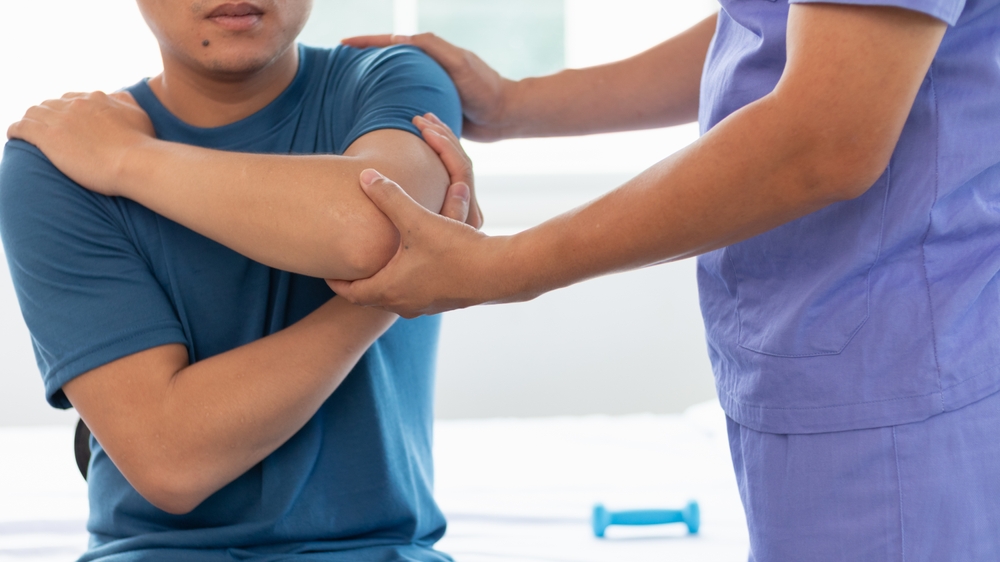
Physical examination reveals important clues about labral integrity. Your provider will assess shoulder range of motion, stability, and strength while identifying movements that reproduce your symptoms. Specific examination tests stress different labral regions—O’Brien’s test and Speed’s test evaluate SLAP tears, while apprehension testing assesses anterior labral integrity.
MRI with arthrography provides the most accurate visualization of the shoulder labrum. Contrast material injected into the joint highlights tears that might otherwise be invisible on standard MRI. The location, size, and characteristics of tearing guide treatment planning.
Diagnostic injections of anesthetic into the shoulder can confirm the joint as the pain source when imaging is inconclusive or when multiple potential pain generators exist. Temporary pain relief after injection suggests intra-articular pathology like labral tears.
Conservative Treatment Options
Many labral tears, particularly smaller SLAP tears in non-athletes, respond well to conservative treatment. Activity modification—avoiding movements that stress the torn area—allows inflammation to settle and symptoms to improve. This doesn’t mean complete rest but rather smart avoidance of aggravating activities.
Physical therapy addresses muscle imbalances, improves shoulder mechanics, and strengthens the rotator cuff and scapular stabilizers. Strong surrounding muscles can compensate for labral deficiency in some patients. Therapy also restores range of motion and teaches movement patterns that protect the damaged tissue.
Anti-inflammatory medications reduce pain and inflammation. Corticosteroid injections into the shoulder can provide significant relief and help determine whether surgery is likely to benefit you—improvement after injection suggests good surgical candidacy.
Surgical Treatment
Arthroscopic surgery offers excellent outcomes for labral tears that don’t respond to conservative treatment or that involve significant instability. Through small incisions, the surgeon visualizes the entire shoulder joint and addresses the labral damage along with any associated problems.
Labral repair reattaches torn tissue to the socket rim using small anchors. SLAP repair secures the superior labrum and biceps anchor. Bankart repair addresses anterior-inferior tears, typically using several anchors to restore the labral bumper and tighten stretched capsular tissue. The goal is restoring the labrum’s sealing and stability functions.
In some cases, particularly in older patients or those with degenerative SLAP tears, biceps tenodesis—detaching the biceps from the labrum and reattaching it elsewhere—provides better outcomes than repair. Your surgeon will recommend the approach most likely to achieve your functional goals.
Recovery and Return to Activity
Post-surgical rehabilitation follows a carefully structured progression. Initial weeks focus on protecting the repair, controlling inflammation, and beginning gentle range of motion. Strengthening begins once adequate healing has occurred, typically around 6-8 weeks. Sport-specific training prepares athletes for return to competition.
Return-to-throwing programs for baseball players and overhead athletes progress gradually over several months. Return to contact sports typically requires 4-6 months, depending on the specific repair and individual healing. Full recovery for high-level throwing athletes may take 9-12 months.
Why Madison Medical for Shoulder Labral Tear Treatment?
Our shoulder specialists bring extensive experience treating labral tears in patients ranging from weekend warriors to competitive athletes. Madison Medical sees over 1,200 patients weekly, providing the expertise needed for accurate diagnosis and optimal treatment selection. We offer comprehensive care from evaluation through complete rehabilitation.
Our integrated team coordinates physical therapy, injection treatments, and surgical options to provide seamless care. We take time to explain your diagnosis, discuss your goals, and involve you in treatment decisions. Most major insurance plans accepted at our convenient New Jersey locations.
Watch to Learn More
Get Your Shoulder Working Again
A shoulder labral tear doesn’t have to end your athletic career or limit your daily activities. With proper diagnosis and treatment, most patients achieve excellent outcomes and return to their desired activity levels. The key is working with specialists who understand the nuances of labral pathology and treatment.
Contact Madison Medical to schedule your shoulder evaluation. Our specialists will assess your condition, explain your imaging findings, and recommend the treatment approach best suited to your injury and goals. Whether you need conservative management or surgical repair, we have the expertise to guide your recovery.