

Effective Treatment Of Knee Sprain for Complete Recovery
A knee sprain can sideline you from sports, make walking painful, and leave you worried about long-term stability. Proper treatment of knee sprain injuries is essential not just for healing the immediate damage but for preventing chronic instability and future problems. Whether you’ve twisted your knee playing sports, fallen awkwardly, or felt a sudden pop during activity, understanding your injury and treatment options helps ensure the best possible recovery.
At Madison Medical, our orthopedic and sports medicine specialists provide comprehensive knee sprain treatment for all ligament injuries. From mild sprains that heal with conservative care to severe tears requiring surgical reconstruction, we guide patients through appropriate treatment and rehabilitation to restore knee function and confidence.
Understanding Knee Sprains
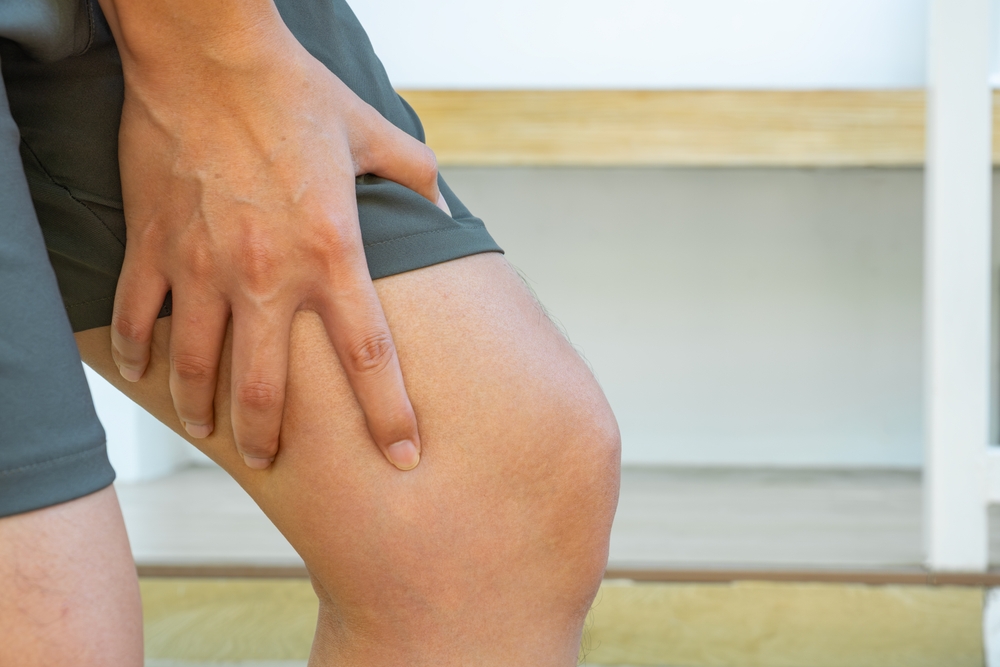
A knee sprain occurs when one or more of the ligaments stabilizing your knee joint is stretched or torn. Ligaments are tough bands of tissue connecting bones to each other, and the knee has four major ligaments that can be injured. The severity of a sprain ranges from mild stretching (Grade I) to partial tears (Grade II) to complete ruptures (Grade III).
The anterior cruciate ligament (ACL) and posterior cruciate ligament (PCL) form a cross inside the knee, controlling forward and backward movement. The medial collateral ligament (MCL) and lateral collateral ligament (LCL) stabilize the inner and outer sides of the knee. Different injury mechanisms affect different ligaments, and multiple ligaments can be injured simultaneously.
Recognizing Knee Sprain Symptoms
Knee sprain symptoms vary based on which ligament is injured and how severely. Common symptoms include pain at the time of injury, often accompanied by a popping sensation. Swelling typically develops within hours, and the knee may feel unstable or give way with certain movements. Difficulty bearing weight and limited range of motion commonly follow the initial injury.
ACL injuries often produce a distinctive pop at the moment of injury, followed by rapid swelling and a feeling that the knee might buckle. MCL sprains cause pain on the inner knee, particularly when the knee is stressed sideways. PCL injuries may feel less dramatic initially but cause problems with stairs and deep bending. LCL injuries affect the outer knee and often occur with other ligament damage.
Severe pain, inability to bear weight, visible deformity, or symptoms that don’t improve with rest warrant prompt medical evaluation. Multi-ligament injuries and associated fractures require specialized assessment and treatment.
Knee Sprain Grading System
- Grade I (Mild): Ligament stretched but not torn; mild tenderness and swelling; knee remains stable
- Grade II (Moderate): Partial ligament tear; moderate pain, swelling, and tenderness; some joint instability
- Grade III (Severe): Complete ligament rupture; significant swelling; substantial joint instability
Common Causes of Knee Sprains
Sports injuries account for a large percentage of knee sprains, particularly in activities involving cutting, pivoting, jumping, and landing. Basketball, soccer, football, skiing, and tennis commonly cause ACL injuries. Contact sports often result in MCL injuries when the knee is struck from the side.
Non-contact mechanisms can be equally damaging. Sudden changes in direction, awkward landings from jumps, and rapid deceleration can rupture ligaments without any external force. These non-contact injuries often occur when athletes are fatigued or on uneven surfaces.
Everyday activities occasionally cause knee sprains. Stepping off a curb awkwardly, slipping on wet surfaces, or twisting the knee while the foot is planted can all result in ligament injury. Car accidents produce knee injuries when the knee strikes the dashboard or experiences rotational forces.
Diagnostic Evaluation
Physical examination provides valuable information about which ligaments are injured and how severely. Your provider will assess swelling, tenderness locations, and range of motion. Specific tests stress each ligament to evaluate stability—the Lachman test for ACL, valgus and varus stress tests for collateral ligaments, and posterior drawer test for PCL.
X-rays rule out fractures that can accompany ligament injuries and may show avulsion fractures where ligaments pull bone fragments away. MRI provides detailed visualization of ligament integrity, showing partial versus complete tears and identifying associated meniscus or cartilage damage that often accompanies sprains.
In some cases, examination under anesthesia or diagnostic arthroscopy helps clarify injury extent when clinical findings are uncertain. This is particularly relevant when planning surgical treatment for complex injuries.
Conservative Treatment Approaches
Many knee sprains heal well with conservative treatment, particularly Grade I and II injuries. The RICE protocol—Rest, Ice, Compression, Elevation—forms the foundation of initial management. Protecting the knee from further injury while controlling pain and swelling allows healing to begin.
Bracing provides support during the healing process. Hinged knee braces stabilize the joint while allowing controlled movement. The specific brace depends on which ligaments are injured and the severity. Crutches may be needed initially if weight-bearing is painful.
Physical therapy is essential for optimal recovery from knee sprains. A progressive rehabilitation program addresses swelling, restores range of motion, rebuilds strength, and retrains neuromuscular control. The timeline varies based on injury severity—mild sprains may recover in weeks, while more significant injuries require months of rehabilitation.
Surgical Treatment Options
Complete ligament ruptures, particularly ACL tears, often require surgical reconstruction for athletes and active individuals who want to return to cutting and pivoting sports. Surgery replaces the torn ligament with a graft taken from the patient’s own tissue or from a donor.
ACL reconstruction uses arthroscopic techniques to tunnel through the bone and secure the graft in the position of the original ligament. Various graft options exist, including patellar tendon, hamstring tendon, and quadriceps tendon autografts, as well as allograft tissue. Your surgeon will recommend the best option based on your activity level, anatomy, and preferences.
MCL injuries usually heal without surgery, though severe tears or those combined with other ligament injuries may require repair. PCL reconstruction is less commonly performed than ACL surgery, as many PCL injuries can be managed non-operatively. Multi-ligament knee injuries often require staged surgical reconstruction.
Rehabilitation and Return to Activity
Whether treated surgically or conservatively, rehabilitation follows a progressive approach. Early phases focus on protecting the healing ligament, controlling swelling, and restoring range of motion. Strengthening exercises gradually increase in intensity as healing progresses. Sport-specific training prepares athletes for return to competition.
Return-to-sport criteria typically include full range of motion, strength equal to the uninjured leg, and successful completion of functional testing. For ACL reconstruction, this process usually takes 9-12 months, though individual timelines vary based on healing, strength gains, and psychological readiness.
Why Madison Medical for Knee Sprain Treatment?
Our sports medicine and orthopedic team brings extensive experience treating knee ligament injuries at all severity levels. Madison Medical sees over 1,200 patients weekly, providing the expertise needed for accurate diagnosis and optimal treatment decisions. We offer comprehensive care from initial evaluation through complete rehabilitation.
Our integrated approach coordinates orthopedic consultation, physical therapy, and surgical treatment when needed. We work with athletes at all levels to develop return-to-sport plans that prioritize both safety and performance. Most major insurance plans accepted at our convenient New Jersey locations.
Watch to Learn More
Get Your Knee Back on Track
A knee sprain doesn’t have to mean the end of your active lifestyle. With proper diagnosis, appropriate treatment, and comprehensive rehabilitation, most knee ligament injuries heal well. The key is getting expert evaluation early and following through with your treatment plan.
Contact Madison Medical to schedule your knee evaluation. Our specialists will assess your injury, explain your treatment options, and develop a plan to restore your knee function and stability. Whether you need conservative management or surgical reconstruction, we have the expertise to guide your recovery.