

Understanding Foot Bunion Operation
A foot bunion the painful bony bump forming at the base of your big toe can progress from a minor cosmetic concern to a debilitating condition affecting your ability to walk comfortably and wear normal shoes. When conservative treatments like wider shoes, padding, and orthotics no longer provide adequate relief, foot bunion surgery offers permanent correction that eliminates pain and restores normal foot function. Understanding what foot bunion operation involves, the different surgical techniques available, and what to expect during recovery helps you make informed decisions about whether surgical correction is right for your situation.
At Madison Medical, our foot and ankle specialists have extensive experience performing bunion surgery using modern techniques that minimize tissue trauma and accelerate recovery. We provide comprehensive evaluation, personalized surgical planning, and coordinated post-operative care ensuring optimal outcomes and satisfied patients who can return to comfortable, active lives.
What Is a Foot Bunion?
A bunion, medically called hallux valgus, develops when your big toe angles toward your second toe rather than pointing straight ahead. This misalignment causes the metatarsal bone at the base of your big toe to protrude outward, creating the characteristic bump on the inside of your foot. Over time, the joint becomes enlarged and often arthritic as abnormal forces cause progressive damage. Bunions develop from genetic factors affecting foot structure, wearing tight or narrow shoes that squeeze toes together, inflammatory arthritis, and biomechanical issues affecting how you walk.
Bunions typically worsen gradually. What starts as a small bump causing occasional discomfort often progresses to a larger deformity with chronic pain, difficulty finding comfortable shoes, and sometimes arthritis in the affected joint. Conservative treatments may slow progression and relieve symptoms temporarily, but they cannot correct the structural deformity only surgery can realign the bones and restore normal anatomy.
When to Consider Foot Bunion Surgery
Surgery becomes appropriate when:
- Chronic pain significantly limits your daily activities or exercise
- Difficulty finding shoes that fit comfortably or don’t cause pain
- Progressive deformity worsening despite conservative treatments
- Painful arthritis developing in the big toe joint
- Your second toe beginning to overlap the big toe due to crowding
- Bunion causing balance problems or altered gait
- Recurring inflammation and swelling despite appropriate footwear
- Quality of life significantly impacted by foot pain
Surgery is elective, meaning you choose the timing based on how much the bunion bothers you. There’s no medical emergency requiring immediate surgery, so you can carefully consider your options and schedule surgery when convenient for your lifestyle and work commitments.
Types of Bunion Surgery
Over 100 surgical techniques exist for bunion correction, but most fall into several main categories:
Osteotomy procedures are the most common bunion surgery type. The surgeon cuts the metatarsal bone, realigns it to correct the deformity, and secures it with screws or pins while it heals. The specific osteotomy technique used depends on your bunion’s severity and location. Mild bunions may require simple distal osteotomies near the toe, while severe deformities need more extensive proximal osteotomies closer to the midfoot.
Arthrodesis (fusion) permanently fuses the big toe joint when severe arthritis makes joint preservation impossible. While this eliminates joint motion, it also eliminates arthritis pain and corrects severe deformities. Modern techniques preserve adequate motion at other toe joints, maintaining functional walking ability.
Exostectomy (bunionectomy) simply removes the bony bump without realigning underlying bones. This addresses cosmetics and shoe-fitting but doesn’t correct the structural problem causing bunions. It’s rarely performed alone since bunions typically recur without proper bone realignment.
Minimally invasive bunion surgery uses tiny incisions and specialized instruments to perform corrections with less tissue trauma. These techniques reduce scarring and may accelerate recovery, though they require specific surgical expertise and aren’t appropriate for all bunion types.
Your surgeon selects the appropriate procedure based on your bunion’s severity, joint condition, your age and activity level, and other foot structure factors.
What to Expect During Surgery
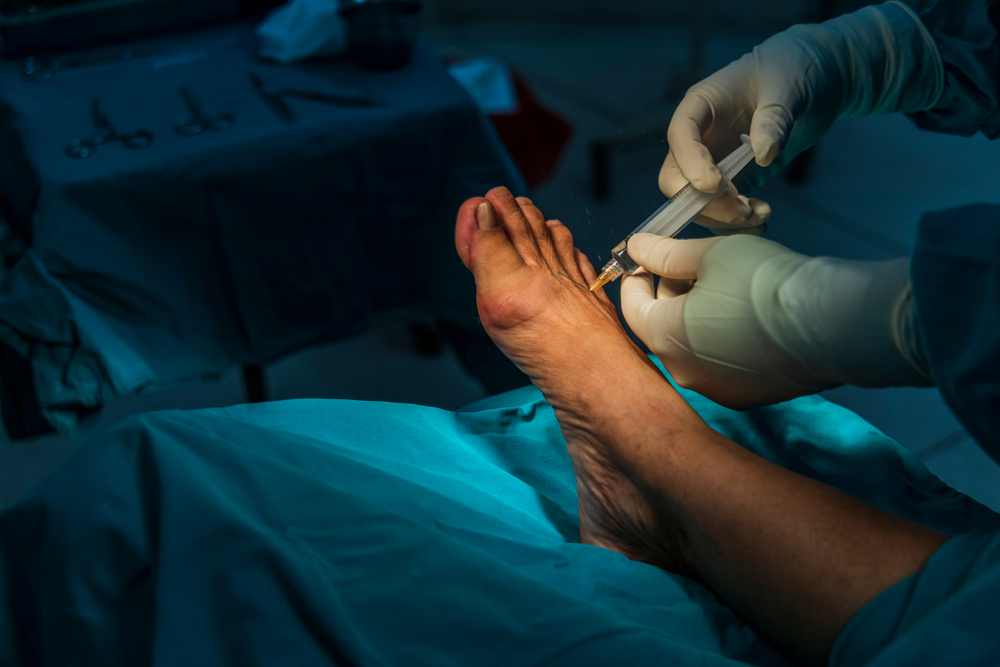
Most foot bunion operations are outpatient procedures performed under ankle block anesthesia (numbing just your foot) with sedation, though general anesthesia is an option. Surgery typically lasts 1-2 hours depending on complexity. Your surgeon makes incisions over the bunion, performs necessary bone cuts and realignment, secures everything with screws or pins, and closes incisions with sutures.
You’ll go home the same day with your foot in a surgical boot or cast. Pain is generally manageable with prescribed medications during the first few days.
Recovery and Rehabilitation
Recovery timelines vary by procedure but generally follow these stages:
Weeks 0-2: Keep your foot elevated as much as possible to minimize swelling. You’ll wear a surgical boot and may be non-weight-bearing or bearing weight on your heel only, depending on your procedure. Pain gradually decreases during this period.
Weeks 2-6: Stitches are removed around 2 weeks. You’ll begin transitioning to weight-bearing in the surgical boot as directed. Swelling remains significant but gradually improves. Physical therapy may begin with gentle range of motion exercises.
Weeks 6-12: Most patients transition to regular shoes, though wide or accommodative footwear works best initially. Swelling continues improving but may persist for months. You can gradually increase walking and return to many normal activities. Physical therapy focuses on restoring strength and mobility.
Months 3-6: Swelling continues resolving. Most patients return to all normal activities including exercise, though high-impact activities may require longer. Maximum improvement in pain, function, and appearance continues developing.
Full recovery including complete swelling resolution takes 6-12 months, though most people feel substantially better much earlier.
Results and Outcomes
Modern bunion surgery achieves excellent outcomes in over 90% of patients. Most experience significant pain relief, restored ability to wear normal shoes, improved foot appearance, and return to desired activities. Patient satisfaction is high when expectations are realistic and appropriate surgical techniques are used.
Potential complications include infection, delayed healing, nerve injury causing numbness, recurrence of the bunion, overcorrection or undercorrection, and stiffness or arthritis in the big toe joint. Choosing experienced foot and ankle surgeons significantly reduces these risks.
Preventing Recurrence
After successful surgery, protecting your results involves wearing properly fitted shoes with adequate toe box width, avoiding high heels or narrow shoes that squeeze toes, using custom orthotics if biomechanical problems contributed to your original bunion, maintaining healthy weight reducing foot stress, and addressing any underlying conditions like arthritis.
With proper footwear and foot care, recurrence is uncommon after appropriate surgical correction.
Is Surgery Right for You?
Deciding about bunion surgery involves weighing benefits against the commitment required for recovery. Surgery is worthwhile when pain significantly impacts your quality of life, conservative treatments have failed, and you’re willing to commit to the recovery process. It may not be necessary if your bunion causes minimal symptoms manageable with shoe modifications and padding.
Discuss your specific situation, goals, and concerns with an experienced foot surgeon who can help you make an informed decision about whether and when surgery makes sense for you.
Watch to Learn More
Why Choose Madison Medical
Our multispecialty approach brings together specialists from multiple disciplines, ensuring coordinated comprehensive care throughout your treatment journey. We offer real-time imaging capabilities provide immediate diagnostic answers during your consultation, accelerating your treatment planning. Same-day appointments because we understand your needs require prompt evaluation and consultation without long delays.