


Professional Foot Callus Treatment
Foot calluses might seem like minor cosmetic concerns, but these thick, hardened areas of skin often indicate underlying biomechanical problems and can cause significant discomfort if left untreated. While some calluses respond to home care, persistent or painful calluses benefit from professional foot callus treatment that not only removes the thickened skin but addresses why it developed in the first place. Understanding when to seek expert care prevents calluses from progressing to painful corns, ulcers, or infections, especially important if you have diabetes or circulation problems.
At Madison Medical, our foot specialists recognize that calluses tell a story about your foot mechanics, footwear choices, and walking patterns. We don’t just file away thickened skin temporarily; we identify and correct the underlying causes so calluses don’t keep returning, allowing you to walk comfortably without constant foot maintenance.
What Are Foot Calluses?
Calluses are areas of thickened, hardened skin that develop in response to repeated friction or pressure. Your skin produces extra keratin, the tough protein making up your skin’s outer layer, as a protective mechanism against irritation. While this response protects underlying tissues, excessive callus buildup becomes uncomfortable and even painful.
Calluses typically appear on weight-bearing areas of your feet, especially the balls of your feet, heels, and sides of big toes. Unlike corns which are smaller with a hard center surrounded by inflamed skin, calluses are larger, more diffuse areas of thickened skin. Calluses generally aren’t painful unless they become very thick or develop on pressure points.
Recognizing When You Need Treatment
Signs indicating you should seek professional foot callus treatment include:
- Persistent calluses that return quickly despite regular at-home filing or pumicing
- Pain or discomfort when walking or standing on callused areas
- Calluses developing into corns with painful central cores
- Cracked or fissured calluses that may bleed or become infected
- Multiple calluses suggesting biomechanical or footwear problems
- Calluses developing rapidly or changing appearance
- Diabetes, poor circulation, or neuropathy making foot complications risky
Professional evaluation is especially important if you have conditions affecting foot sensation or healing, as seemingly minor foot problems can progress to serious complications.
Why Foot Calluses Develop
Understanding callus causes helps prevent recurrence:
Ill-fitting footwear creates friction and pressure points. Shoes that are too tight squeeze your feet, while loose shoes allow sliding that creates friction. High heels concentrate pressure on the balls of your feet.
Biomechanical abnormalities like flat feet, high arches, bunions, or hammertoes create uneven weight distribution, causing certain areas to bear excessive pressure that stimulates callus formation.
Abnormal gait patterns from leg length differences, hip problems, or knee issues alter how your feet contact the ground, creating unusual pressure points.
Activities increasing foot stress including running, dancing, or work requiring prolonged standing accumulate repetitive pressure that triggers callus development.
Going barefoot regularly causes your soles to thicken as protection against hard surfaces. While this is a natural response, excessive thickening becomes uncomfortable.
Aging reduces fat padding on your feet’s soles, concentrating pressure on bones and causing reactive callus formation.
Previous foot injuries or surgeries can alter foot mechanics in ways that create new pressure points and calluses.
How We Diagnose the Problem
Professional evaluation identifies not just the callus but why it formed. We examine your feet thoroughly, assessing foot structure, arch height, and alignment. We observe your gait and standing posture to identify abnormal pressure patterns. We inspect your shoes for wear patterns revealing biomechanical issues.
For recurring or problematic calluses, we may use pressure mapping technology showing exactly where and how much force different areas of your feet experience during walking, pinpointing the cause of callus formation.
Professional Foot Callus Removal and Treatment
Our comprehensive approach addresses both the callus and its cause:
Safe Callus Debridement
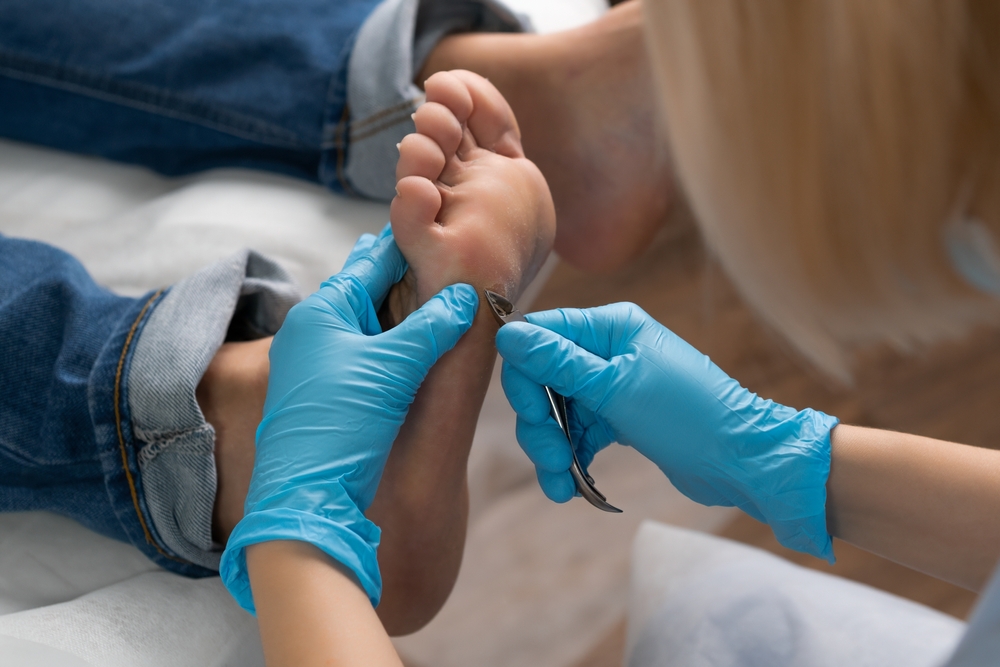
Professional removal using specialized tools safely reduces callus thickness without damaging underlying healthy skin. Unlike aggressive home filing that can cause injury, professional debridement achieves smooth, comfortable results. We never “shave” calluses completely flat, as some thickness provides protective cushioning.
Custom Orthotics
Prescription shoe inserts redistribute pressure away from callus-prone areas while correcting biomechanical problems causing uneven weight distribution. Custom orthotics address the root cause, preventing callus recurrence rather than just treating symptoms.
Footwear Guidance
We help you select appropriate shoes with adequate space, proper arch support, and cushioning that reduces pressure on vulnerable areas. Sometimes simply changing shoe styles eliminates callus problems.
Padding and Protection
Strategic padding protects high-pressure areas while calluses heal and orthotics or footwear changes take effect. Specialized sleeves or toe separators relieve pressure on calluses between or on top of toes.
Foot Corn Callus Treatment
When calluses progress to painful corns, we provide targeted treatment including corn removal, pressure relief, and corrections preventing recurrence. Corns require prompt attention as their hard central cores can cause significant pain.
When to Seek Professional Care
Schedule an appointment if home care doesn’t improve your calluses within a few weeks, calluses cause pain interfering with activities, you notice signs of infection like redness, warmth, or drainage, calluses crack or bleed, or you have diabetes, neuropathy, or circulation problems making any foot issue potentially serious.
Warning Signs of Complications
Seek immediate care if you develop signs of infection including fever, red streaks extending from callused areas, significant swelling, pus or foul-smelling drainage, or if you have diabetes and notice any callus changes, as even minor foot problems can progress rapidly.
Preventing Callus Recurrence
After treatment, prevention strategies keep calluses from returning. Wear properly fitted shoes with adequate cushioning and support. Use custom orthotics as prescribed. Apply moisturizer daily to prevent dry, cracked skin but avoid applying between toes where moisture can cause problems. Gently file calluses weekly when they’re soft after bathing, just enough to prevent excessive buildup. Inspect your feet regularly, especially if you have diabetes or reduced sensation.
These simple practices maintain comfortable feet between professional visits.
What to Expect During Your Visit
Your appointment includes thorough foot examination, discussion of your footwear and activities, and professional callus removal if appropriate. We explain factors contributing to your calluses and recommend preventive strategies. If orthotics would benefit you, we can often provide them during your visit. Most patients notice immediate relief after professional treatment and appreciate learning how to maintain results at home.
Living Without Painful Calluses
You don’t have to accept painful, unsightly calluses as an inevitable part of life. With proper treatment and prevention, you can maintain smooth, comfortable feet that don’t require constant attention or limit your footwear choices and activities.
Watch to Learn More
Why Madison Medical
We offer same-day appointments because we understand your condition needs prompt evaluation and treatment without long delays. Our personalized treatment plans are tailored to your specific condition, lifestyle demands, and health goals. Multispecialty approach brings together specialists from multiple disciplines, ensuring coordinated comprehensive care throughout your treatment journey.