

When You Need a Specialist for Heel Pain
Heel pain ranks among the most common foot complaints, yet its impact on your daily life can be devastating—turning simple activities like walking to your car or standing in line into uncomfortable ordeals. When heel discomfort persists despite rest and home remedies, seeing a specialist for heel pain can identify the specific cause and provide targeted treatment that actually resolves the problem rather than just temporarily masking symptoms. Whether your pain strikes with your first morning steps or builds throughout the day, expert evaluation ensures you receive the right treatment for your particular condition.
At Madison Medical, our heel pain specialists understand that “heel pain” isn’t a single condition but rather a symptom with numerous potential causes—each requiring different treatment approaches. Our comprehensive evaluation identifies exactly what’s causing your discomfort, allowing us to provide targeted interventions that address the root problem and prevent recurrence.
What a Heel Pain Specialist Does
Heel pain specialists have focused expertise in diagnosing and treating conditions affecting the heel and surrounding structures. These medical professionals understand the complex anatomy of your heel—including the calcaneus (heel bone), plantar fascia, Achilles tendon, heel fat pad, and numerous smaller structures that can all generate heel pain when injured or inflamed.
Rather than applying generic treatments, specialists conduct detailed evaluations identifying your specific diagnosis, then tailor treatment to that particular condition. This precision approach produces better outcomes than trial-and-error methods often used in general practice.
Common Causes of Heel Pain We Diagnose
Our heel pain specialists identify and treat numerous conditions:
- Plantar fasciitis causing sharp heel pain, especially with first morning steps
- Achilles tendinitis creating pain above the heel during activity
- Heel bursitis causing deep, aching heel pain
- Heel spurs—bone growths often associated with plantar fasciitis
- Fat pad atrophy where natural cushioning thins with age
- Tarsal tunnel syndrome compressing nerves causing burning heel pain
- Stress fractures from overuse or osteoporosis
- Haglund’s deformity creating a bony bump on the heel back
- Sever’s disease in children and adolescents
- Heel arch pain treatment needs when discomfort extends from heel into arch
Accurate diagnosis is crucial because treatments effective for plantar fasciitis may not help Achilles tendinitis, and vice versa.
Why Heel Pain Develops
Multiple factors contribute to heel pain development:
Biomechanical problems including flat feet, high arches, or abnormal gait patterns create excessive stress on heel structures. Over time, this repetitive stress causes inflammation and pain.
Overuse and sudden activity increases overwhelm your body’s ability to adapt. Runners who rapidly increase mileage, people starting new exercise programs, or individuals whose work suddenly requires more standing frequently develop heel pain.
Improper footwear lacking adequate cushioning, arch support, or heel stability contributes significantly to heel problems. Worn-out shoes that have lost their support properties also cause issues.
Tight calf muscles and Achilles tendons increase stress on heel structures, particularly the plantar fascia. Limited ankle flexibility forces compensations that overload the heel.
Obesity places excessive force on heels during every step. Even modest weight gain significantly increases heel loading and pain risk.
Age-related changes including loss of heel fat pad thickness and reduced tissue elasticity make heels more vulnerable to injury and inflammation.
Inflammatory conditions like rheumatoid arthritis or reactive arthritis can specifically target heel structures, causing pain and swelling.
Comprehensive Diagnostic Evaluation
Effective treatment requires accurate diagnosis. Our heel pain specialists conduct thorough assessments:
Detailed pain history exploring when pain occurs (morning, after activity, constantly), what makes it better or worse, how long it’s bothered you, and previous treatments attempted.
Physical examination identifying specific tender points, assessing foot and ankle flexibility, evaluating gait patterns, and testing for specific conditions through provocative maneuvers.
Advanced imaging including X-rays revealing bone spurs, fractures, or arthritis, ultrasound showing plantar fascia thickness and Achilles tendon abnormalities in real-time, and MRI providing detailed soft tissue views for complex cases.
Biomechanical assessment observing how your feet function during walking and standing—identifying abnormal mechanics contributing to heel stress.
Targeted Treatment from Your Heel Pain Specialist
Treatment is customized to your specific diagnosis:
Conservative Therapies for Most Conditions
Physical therapy focusing on stretching tight structures and strengthening supporting muscles addresses many heel problems. Custom orthotics redistribute pressure and correct biomechanical issues. Night splints maintain gentle stretch on the plantar fascia, reducing morning pain. Appropriate footwear with proper cushioning and support is essential.
Advanced Treatment Options
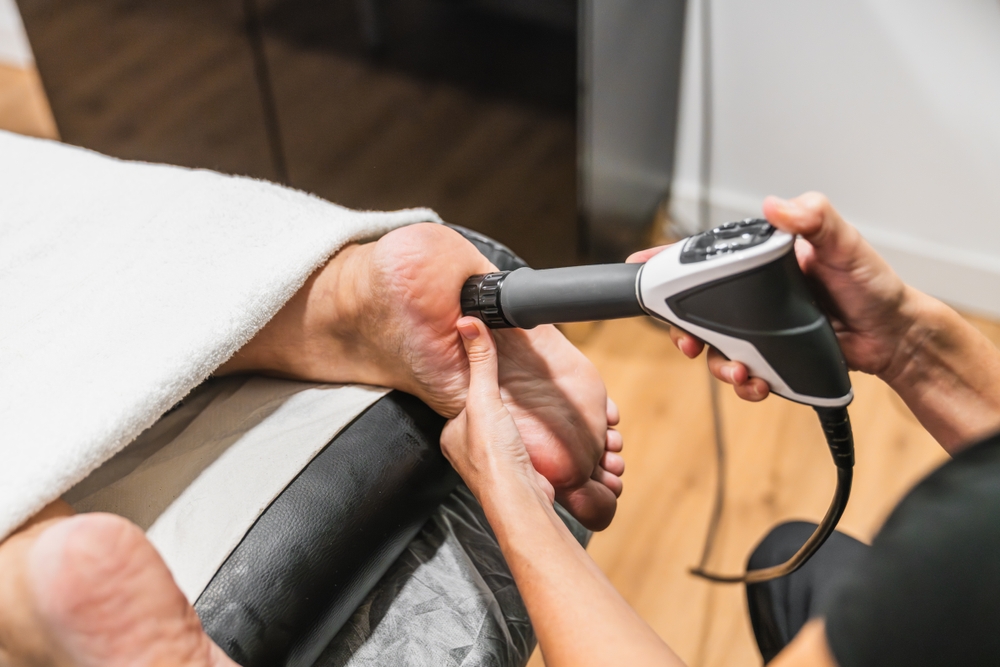
Shockwave therapy stimulates healing in chronic plantar fasciitis. PRP injections deliver concentrated healing factors directly to damaged tissue. Targeted corticosteroid injections reduce acute inflammation when appropriate.
Heel Arch Pain Treatment
When pain radiates from heel into arch, we address both plantar fasciitis and associated arch strain comprehensively. This often requires combination approaches including orthotics, stretching, and sometimes injections.
Minimally Invasive Procedures
For severe, treatment-resistant cases, minimally invasive techniques release tight fascia, remove neuromas, or address structural problems—providing lasting relief when conservative care hasn’t been sufficient.
When to See a Heel Pain Specialist
Schedule an evaluation if your heel pain lasts more than a few weeks despite rest and home care, progressively worsens over time, significantly limits your walking or standing, is accompanied by numbness, tingling, or radiating pain, or causes you to limp or alter how you walk.
Early specialist intervention prevents acute inflammation from becoming chronic pain that’s much harder to treat.
Warning Signs Requiring Prompt Attention
Seek urgent care if you experience sudden, severe heel pain following injury, inability to bear weight on your heel, visible swelling and redness suggesting infection, numbness or significant weakness in your foot, or if you have diabetes and develop any heel problem, as even minor issues can progress rapidly.
The Value of Specialized Heel Care
Heel pain specialists offer distinct advantages over general care. They have extensive experience diagnosing subtle differences between heel conditions that require different treatments. They stay current with the latest evidence on heel pain management. Their focused practice means they’ve seen and successfully treated hundreds of cases similar to yours. Most importantly, specialists provide comprehensive approaches addressing underlying causes, not just symptoms—leading to lasting resolution rather than temporary relief.
What to Expect During Your Appointment
Your initial visit typically lasts 45-60 minutes. We discuss your heel pain thoroughly, perform detailed examination, and often obtain imaging during your visit if needed. You’ll leave with a clear diagnosis, understanding of what’s causing your pain, and a treatment plan with realistic timelines for improvement. Many patients experience significant relief within weeks of starting proper treatment after months of frustration with generic approaches.
Preventing Future Heel Problems
Once your heel heals, prevention strategies keep pain from returning. Maintain appropriate flexibility through regular stretching. Gradually progress activity levels rather than sudden increases. Replace athletic shoes every 300-500 miles or when cushioning degrades. Use custom orthotics as prescribed. Address biomechanical problems that contributed to your initial pain.
These practices maintain comfortable, healthy heels that support your active lifestyle.
Watch to Learn More
Why Madison Medical
Our real-time imaging capabilities provide immediate diagnostic answers during your visit, accelerating your path to treatment. With insurance coverage clarity from your first consultation helps you understand benefits and costs upfront, we provide same-day appointments because we understand your condition needs prompt evaluation and treatment without long delays.