

Understanding Pain Management Injection Knee Treatments
Knee pain from arthritis, injuries, or inflammation can significantly limit your mobility and quality of life, but pain management injection knee treatments offer targeted relief when oral medications and physical therapy aren’t providing adequate control. These minimally invasive procedures deliver medication directly to your knee joint or surrounding structures, reducing inflammation and pain while allowing you to participate more fully in rehabilitation and daily activities. Understanding the types of knee joint injections available, how they work, and what to expect helps you make informed decisions about whether these treatments might benefit your specific knee condition.
At Madison Medical, our specialists have extensive experience performing various pain management injection knee procedures using advanced imaging guidance for precision. We help you understand which injection types best suit your condition and coordinate injections with comprehensive treatment plans including physical therapy and other therapies optimizing your outcomes.
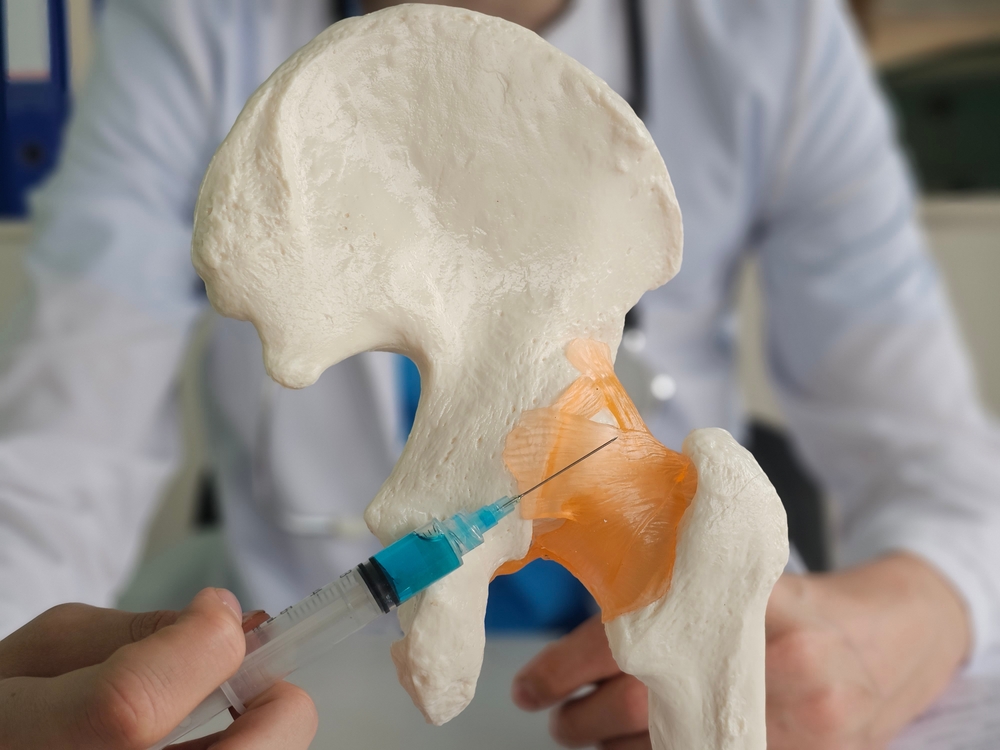
Types of Knee Joint Injections
Several injection types treat different knee problems:
Corticosteroid Injections
Cortisone injections knee deliver powerful anti-inflammatory medication directly into your joint, reducing swelling and pain from arthritis, bursitis, or other inflammatory conditions. These provide relatively rapid relief often lasting weeks to months, allowing increased activity and participation in physical therapy. Corticosteroids work by suppressing the inflammatory response causing pain and joint damage.
Hyaluronic Acid Injections (Viscosupplementation)
These injections supplement your knee’s natural lubricating fluid, improving cushioning and reducing friction in arthritic joints. Also called “gel injections,” viscosupplementation typically involves a series of injections providing relief that may last several months. This treatment works best for mild to moderate knee arthritis.
Platelet-Rich Plasma (PRP) Injections
PRP therapy uses concentrated platelets from your own blood, rich in growth factors that promote tissue healing and reduce inflammation. These regenerative injections show promise for various knee conditions including early arthritis, meniscal problems, and tendon injuries. Effects develop gradually over several weeks as tissue healing occurs.
Stem Cell Injections
Experimental treatments using stem cells aim to regenerate damaged cartilage and other tissues. While promising, these remain under investigation regarding effectiveness and optimal protocols.
- Knee arthritis causing progressive joint degeneration
- Bursitis creating fluid-filled swelling around the knee
- Tendinitis affecting patellar tendon or other structures
- Post-surgical pain or inflammation
- Meniscal tears in some cases
- Ligament sprains during recovery
- Baker’s cysts behind the knee
How Knee Injections Work
The procedure typically follows these steps:
Preparation includes cleaning your knee with antiseptic solution. Some physicians use ultrasound or fluoroscopy (X-ray guidance) ensuring precise needle placement, particularly important for difficult anatomy.
Anesthetic numbs the injection site. Some injections include local anesthetic mixed with the therapeutic medication providing immediate partial relief.
Injection places medication directly into your joint space, bursa, or around affected tendons. The actual injection takes just seconds, though total procedure time is about 10-15 minutes.
Recovery allows brief rest before you’re discharged home. Most people resume normal activities within a day, though we recommend avoiding strenuous exercise for 24-48 hours.
What to Expect After Injection
Response varies by injection type:
Cortisone injections may cause temporary pain increase for 24-48 hours (post-injection flare) before significant relief begins. Maximum benefit typically occurs within one week. Relief duration varies—some experience weeks of benefit while others get months.
Hyaluronic acid injections work gradually, with maximum benefit often taking 4-6 weeks. Relief may last 3-6 months or longer. Sequential injection series (typically 3-5 shots) may provide better outcomes than single injections.
PRP injections cause temporary inflammation as healing is stimulated. You may experience increased pain for several days before gradual improvement over weeks to months. Full benefit assessment requires 2-3 months.
Managing Expectations
Knee injections work remarkably well for some patients while providing modest or temporary benefit for others. Results depend on your specific condition, arthritis severity, injection type, and individual response. Injections rarely eliminate pain completely—the goal is reducing pain enough to improve function and allow rehabilitation. For advanced arthritis, injections may bridge to eventual joint replacement surgery while maintaining quality of life.
How Often Can You Receive Injections?
Guidelines vary by injection type. Cortisone injections are typically limited to 3-4 yearly per joint due to concerns about cartilage damage with frequent use. Hyaluronic acid series can be repeated when effects wear off, often every 6-12 months. PRP injections can be repeated as needed without the same cartilage concerns as cortisone. Your physician recommends appropriate timing based on your response and condition.
Risks and Side Effects
While generally safe, knee injections carry some risks including infection (rare, less than 1%), allergic reactions to medications used, temporary pain increase particularly with cortisone, skin changes or fat atrophy with cortisone, and very rarely, bleeding or nerve injury. Choosing experienced physicians performing high injection volumes minimizes these risks.
Combining Injections with Other Treatments
Injections work best as part of comprehensive treatment plans. Physical therapy strengthens muscles supporting your knee while improving flexibility. Weight management reduces joint stress. Appropriate bracing provides support during activities. Activity modifications protect your knee while maintaining fitness. This multimodal approach produces better long-term outcomes than injections alone.
When Injections Aren’t Enough
If multiple injections provide only temporary or inadequate relief, it may indicate your arthritis has progressed beyond what conservative treatments can manage. Your physician discusses other options including surgical interventions when appropriate.
Watch to Learn More
Why Choose Madison Medical
Our real-time imaging capabilities provide immediate diagnostic answers during your consultation, accelerating your treatment planning. With personalized treatment plans are tailored to your specific condition, lifestyle demands, and recovery goals, award-winning team combines extensive experience with ongoing training in the latest surgical techniques and technologies.