

Minimally Invasive Knee Replacement Surgery
Minimally invasive knee replacement represents an advanced surgical approach using smaller incisions and tissue-sparing techniques to replace damaged knee joints while minimizing trauma to surrounding muscles and soft tissues. This modern technique offers significant advantages over traditional knee replacement including faster recovery, less post-operative pain, shorter hospital stays, and quicker return to normal activities—all while achieving the same excellent long-term implant survival as conventional approaches. Understanding what makes minimally invasive knee replacement surgery different and identifying the best doctors for minimally invasive knee replacement helps you make informed decisions about your knee replacement journey.
At Madison Medical, our orthopedic surgeons utilize minimally invasive techniques when appropriate, combining advanced surgical skills with comprehensive preoperative planning and coordinated post-operative rehabilitation programs that optimize your recovery and outcomes.
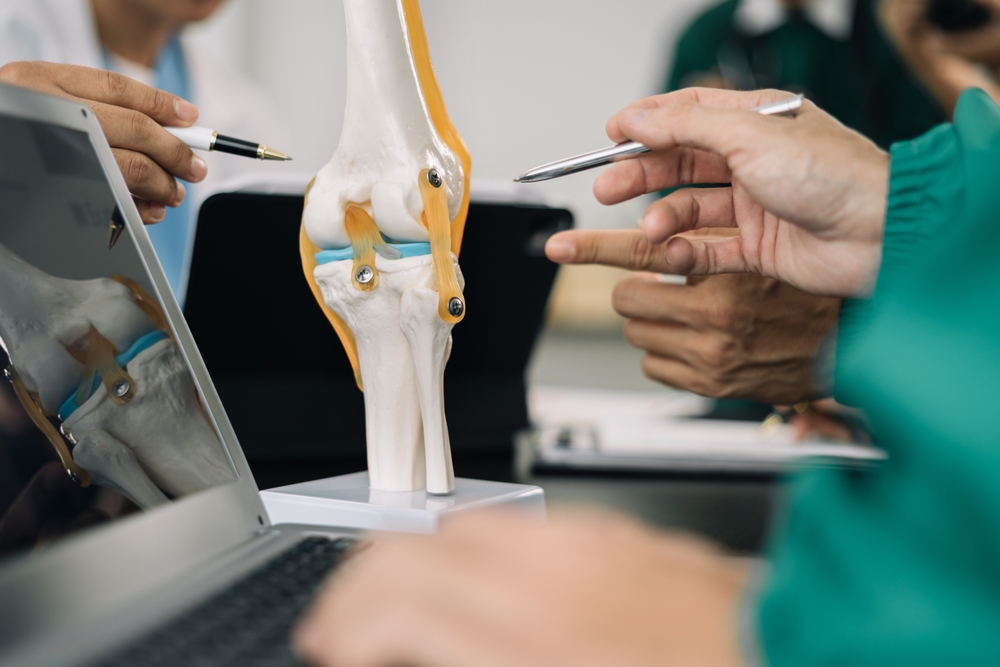
What Makes It Minimally Invasive?
Minimally invasive knee replacement surgery uses incisions typically measuring 4-6 inches compared to 8-10 inches with traditional approaches. More importantly, surgeons work between or around muscles rather than cutting through the quadriceps tendon as traditional techniques require. This muscle-sparing approach preserves strength and function while reducing post-operative pain and accelerating rehabilitation. The artificial knee components used are identical proven implants—”minimally invasive” refers solely to the surgical approach, not the replacement joint itself.
Benefits of Minimally Invasive Approach
- Smaller incisions creating less noticeable scars
- Reduced muscle and soft tissue damage accelerating recovery
- Less post-operative pain requiring fewer narcotic medications
- Shorter hospital stays, often just one night or same-day discharge
- Faster return to walking and normal activities
- Less blood loss during surgery
- Lower infection risk associated with smaller wounds
- Better preservation of knee strength
- Reduced need for assistive devices during recovery
Who Is a Candidate?
While many patients benefit from minimally invasive techniques, not everyone qualifies. Ideal candidates typically have appropriate body habitus allowing adequate visualization through smaller incisions, relatively straightforward knee anatomy without severe deformity or significant bone loss, primary knee arthritis rather than complex revision situations, and good overall health supporting rapid recovery protocols. However, surgical advances continuously expand candidacy. The best doctors for minimally invasive knee replacement have expertise assessing which patients truly benefit from this approach versus those better served by traditional techniques.
Recovery and Rehabilitation
Recovery progresses faster than traditional knee replacement. Most patients walk with assistance within hours of surgery. Hospital stays typically last one night, with selected patients meeting criteria for same-day discharge. Physical therapy begins immediately, emphasizing range of motion and strength. Many patients discontinue assistive devices within 2-3 weeks and return to driving by 3-4 weeks. Return to desk work often occurs by 4-6 weeks, with more demanding jobs requiring longer. Full recovery including maximal strength takes 3-6 months, though most daily activities resume much earlier. The muscle-sparing technique means rehabilitation focuses on building confidence and strength with the new knee rather than extensive muscle recovery.
Selecting the Best Doctors
Finding experienced surgeons is crucial. Look for orthopedic surgeons with specific training in minimally invasive techniques, high surgical volumes indicating expertise, transparent outcome data showing complication and revision rates, comprehensive programs including pre-operative education and post-operative rehabilitation, and clear communication about which patients truly benefit from minimally invasive approaches versus traditional surgery.
Long-Term Outcomes
Studies show minimally invasive knee replacement achieves equivalent or superior outcomes compared to traditional approaches. Implant survival rates remain excellent with over 90% lasting 15+ years. Patient satisfaction is high, with most reporting significant pain relief and improved function. The minimally invasive approach provides these outcomes while offering recovery advantages most valuable in the first months after surgery.
Watch to Learn More
Why Choose Madison Medical
With insurance coverage clarity from your first consultation helps you understand benefits and costs upfront, our integrated pt, chiro, acupuncture and primary care services ensure coordinated recovery without juggling multiple provider appointments. Our same-day appointments because we understand your needs require prompt evaluation and consultation without long delays.