

Relief Through Degenerative Disc Disease Treatments
Living with chronic back pain from degenerative disc disease can feel overwhelming, but effective degenerative disc disease treatments exist to help you reclaim your mobility and comfort. This condition, where spinal discs gradually lose their cushioning ability, affects millions of adults and ranges from mildly inconvenient to significantly disabling. The good news is that most people respond well to non-surgical approaches, and even advanced cases have multiple treatment pathways available.
At Madison Medical, we understand that degenerative disc disease impacts every aspect of your life—from work productivity to enjoying time with family. Our comprehensive approach combines cutting-edge treatment for degenerative disc disease with personalized care plans designed around your specific symptoms, lifestyle, and goals.
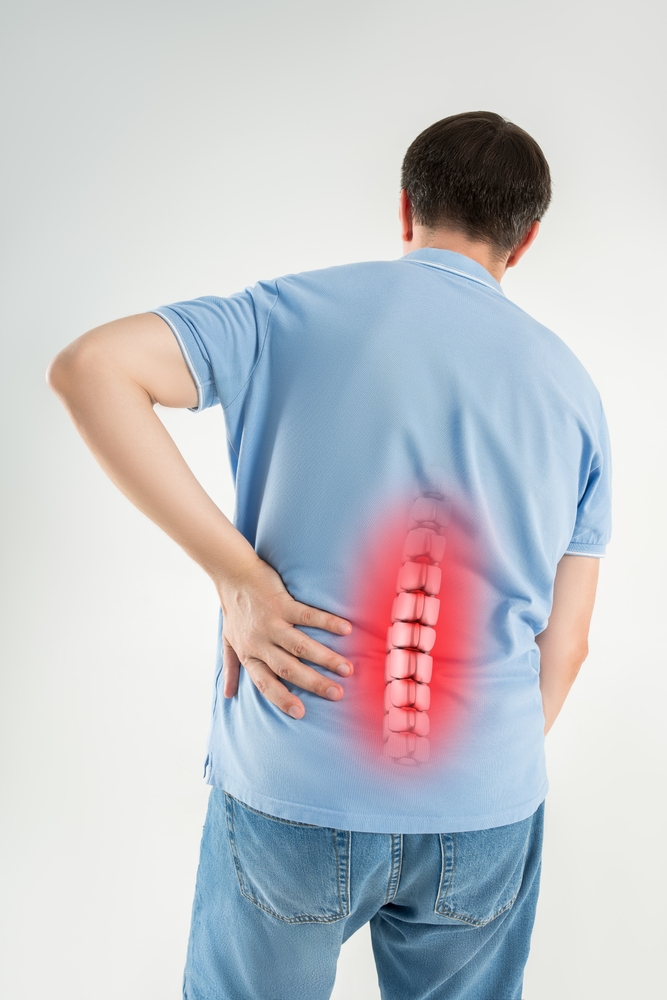
What Is Degenerative Disc Disease?
Despite its name, degenerative disc disease isn’t actually a disease—it’s a natural age-related condition where spinal discs gradually wear down over time. Your spinal discs are rubbery cushions that sit between the vertebrae, acting as shock absorbers and allowing your spine to flex, bend, and twist. Over the years, these discs lose hydration and elasticity, becoming thinner and less effective at cushioning.
This degeneration typically begins in your 30s or 40s and progresses gradually. For many people, the changes cause no symptoms at all. However, when disc degeneration leads to instability, nerve compression, or inflammation, it can result in significant pain and functional limitations that require professional intervention.
Recognizing Symptoms Requiring Degenerative Disc Disease Physical Therapy Treatment
The hallmark symptom of symptomatic degenerative disc disease is chronic low back or neck pain that worsens with sitting, bending, lifting, or twisting. Many people describe the pain as a deep, aching discomfort that may come and go but never fully resolves. The pain often improves with movement and worsens after prolonged positions.
When a degenerated disc presses on nearby nerves, you might experience radiating pain, numbness, or tingling into your arms or legs. Weakness in certain muscle groups can occur if nerve compression is significant. Some people notice their symptoms flare up during weather changes or after periods of increased activity.
Seek immediate medical attention if you experience sudden severe pain, loss of bladder or bowel control, progressive weakness, or numbness in the groin area. These symptoms could indicate a serious complication requiring urgent evaluation.
Understanding the Causes
Age is the primary factor in disc degeneration—it happens to virtually everyone to some degree. However, certain factors accelerate the process or increase the likelihood of developing symptoms. Genetics play a significant role, with some families showing earlier or more severe disc degeneration across generations.
Lifestyle factors contribute substantially. Smoking reduces blood flow to discs, accelerating their breakdown. Obesity places excess mechanical stress on spinal structures. Sedentary work, particularly prolonged sitting, increases disc pressure and reduces nutrient delivery. Repetitive heavy lifting, especially with poor form, speeds up wear and tear.
Previous spine injuries—even those that seemed minor at the time—can predispose certain discs to earlier degeneration. Sports that involve repeated impact or twisting motions place additional stress on spinal discs.
Risk Factors for Symptomatic Degenerative Disc Disease
- Age: Disc degeneration typically begins after age 30 and progresses throughout life
- Family history: Genetic predisposition significantly influences disc health and degeneration rate
- Smoking: Nicotine reduces disc nutrition and accelerates breakdown
- Obesity: Excess weight places increased mechanical stress on spinal structures
- Occupation: Jobs requiring heavy lifting, vibration exposure, or prolonged sitting
- Previous injuries: Prior spine trauma increases susceptibility to earlier degeneration
Diagnostic Evaluation Process
Accurate diagnosis starts with a comprehensive history and physical examination. Your provider will assess your spinal mobility, identify painful movements, test reflexes and strength, and evaluate for signs of nerve involvement. Understanding when your pain started, what makes it better or worse, and how it affects your daily activities guides the diagnostic process.
Imaging studies provide valuable information about disc health. X-rays show bone structure, disc space narrowing, and any bone spurs that have developed. MRI offers detailed visualization of soft tissues, revealing disc hydration levels, herniations, and nerve compression. In some cases, CT scans or discography may be recommended for additional information.
Diagnostic injections can help confirm which disc or discs are generating your pain when imaging shows multiple levels of degeneration—a common finding in adults over 50.
Conservative Treatment Foundation
Most people with degenerative disc disease respond well to conservative treatment without requiring surgery. Physical therapy forms the cornerstone of management, focusing on core strengthening, flexibility, and proper body mechanics. A structured degenerative disc disease physical therapy treatment program addresses muscle imbalances that contribute to spinal stress and teaches you movement strategies that protect your discs.
Pain medication helps manage symptoms while you work on strengthening and conditioning. Over-the-counter anti-inflammatories reduce pain and inflammation when used appropriately. For more severe symptoms, prescription medications including muscle relaxants or nerve pain medications may be recommended temporarily.
Activity modification doesn’t mean avoiding movement—quite the opposite. Regular low-impact exercise like walking, swimming, or cycling maintains disc nutrition and prevents the deconditioning that worsens pain. Learning proper lifting techniques and ergonomic adjustments at work and home reduces ongoing disc stress.
Advanced Interventional Options
When conservative measures provide insufficient relief, interventional procedures offer the next level of treatment. Epidural steroid injections deliver anti-inflammatory medication directly to the affected area, reducing inflammation around irritated nerves. These injections can provide significant relief lasting weeks to months.
Facet joint injections target the small joints connecting vertebrae, which often become painful when disc degeneration alters spinal mechanics. Radiofrequency ablation uses heat to interrupt pain signals from specific nerves, providing longer-lasting relief for appropriately selected patients.
Regenerative medicine approaches, including platelet-rich plasma (PRP) and stem cell therapies, aim to promote healing within damaged disc tissue. While research continues, many patients experience meaningful improvement with these cutting-edge treatments.
Surgical Considerations
Surgery becomes an option when conservative and interventional treatments fail to provide adequate relief after several months, or when neurological symptoms progress. The goal of surgery is to remove the source of nerve compression and stabilize the affected spinal segment.
Spinal fusion permanently connects two or more vertebrae, eliminating motion at the painful segment. Artificial disc replacement preserves motion by substituting a prosthetic disc for the damaged one. Minimally invasive techniques reduce recovery time and complications compared to traditional open surgery.
Careful patient selection is crucial for surgical success. Our spine specialists thoroughly evaluate each case to determine whether surgery is likely to benefit you and which procedure offers the best outcomes for your specific situation.
Long-Term Management Strategies
Degenerative disc disease is a chronic condition that benefits from ongoing attention. Maintaining a healthy weight reduces spinal stress. Regular exercise—particularly core strengthening and flexibility work—supports spinal health and reduces symptom flare-ups. Good posture and proper body mechanics during daily activities protect your discs from unnecessary strain.
Periodic reassessment helps catch changes early and adjust treatment as needed. Some people benefit from maintenance physical therapy sessions or occasional injections to manage breakthrough symptoms.
Why Madison Medical for Degenerative Disc Disease Treatments?
Our spine specialists bring years of experience and access to the latest treatment innovations. Madison Medical sees over 1,200 patients weekly, providing extensive expertise in managing degenerative disc disease from mild to severe cases. Our integrated team includes pain management specialists, physical therapists, and spine surgeons who collaborate on complex cases.
We emphasize conservative treatment first, reserving surgery for cases where less invasive options have been exhausted. Our goal is helping you achieve the best possible function with the least invasive approach. Most major insurance plans accepted, with convenient New Jersey locations and flexible scheduling.
Watch to Learn More
Start Your Path to Relief Today
Degenerative disc disease may be common, but suffering in silence isn’t necessary. Modern treatment approaches offer meaningful relief for the vast majority of patients, allowing them to return to active, fulfilling lives. The earlier you seek treatment, the more options remain available and the better your long-term outcomes.
Contact Madison Medical to schedule your spine evaluation. Our specialists will thoroughly assess your condition, explain your findings clearly, and develop a treatment plan designed specifically for your needs. From physical therapy and injections to regenerative medicine and surgical options, we have the expertise and resources to help you move forward.