

Comprehensive Hip Pain Management
Hip pain can transform simple activities like walking, climbing stairs, or getting out of a chair into challenging ordeals—affecting your independence and quality of life in profound ways. Whether your discomfort developed gradually from arthritis or appeared suddenly after an injury, effective hip pain management can restore your mobility and eliminate the constant ache that shadows your every movement. Understanding your treatment options and finding comprehensive care that addresses both symptoms and underlying causes empowers you to reclaim an active lifestyle rather than accepting progressive limitations.
At Madison Medical, we recognize that successful hip pain management requires more than just prescribing pain medication. Our multidisciplinary approach combines physical therapy, regenerative medicine, targeted injections, and when necessary, surgical interventions—all coordinated to provide you with the most effective relief while preserving hip function and preventing future problems.
Understanding Hip Pain
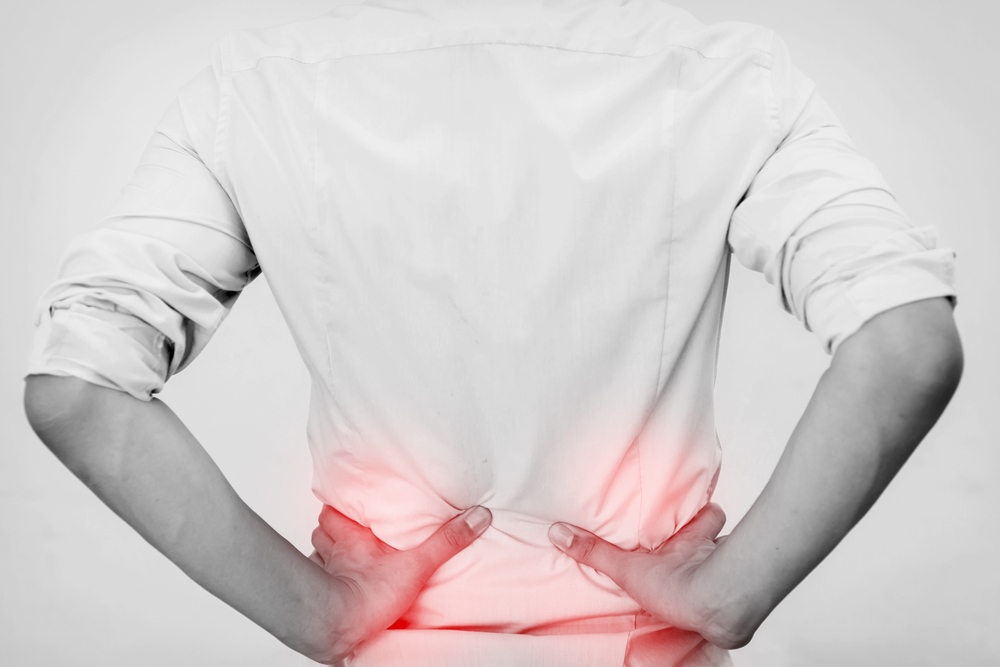
Your hip is a ball-and-socket joint where your thighbone (femur) connects to your pelvis. This joint bears significant weight while allowing remarkable range of motion for walking, running, and other activities. Hip pain can originate from the joint itself, surrounding muscles and tendons, bursae (fluid-filled cushioning sacs), or even radiate from your lower back.
Pain location provides clues about the source: discomfort deep in your groin typically indicates joint problems, pain on the outside of your hip suggests bursitis or muscle issues, and pain in your buttock or back of hip often relates to your lower back or sacroiliac joint. Accurate diagnosis guides effective treatment.
Common Causes of Hip Pain
Hip pain management addresses numerous conditions:
- Hip arthritis from wear and tear causing joint degeneration and inflammation
- Hip bursitis creating pain on the outside of your hip
- Labral tears affecting the cartilage rim surrounding the hip socket
- Hip flexor strains from overuse or sudden movements
- Tendinitis causing pain where tendons attach to bone
- IT band syndrome creating friction and pain on the hip’s outer aspect
- Hip impingement where bone spurs cause abnormal joint contact
- Stress fractures from repetitive impact or osteoporosis
- Referred pain from lower back conditions affecting hip region
Each condition requires specific management strategies—highlighting why accurate diagnosis is essential before starting treatment.
Pain Management for Hip Pain Approaches
Effective management combines multiple modalities:
Physical therapy forms the cornerstone of conservative hip pain management. Targeted exercises strengthen muscles supporting your hip, improve flexibility, correct movement patterns contributing to pain, and enhance joint stability. Many people achieve significant relief through consistent physical therapy alone.
Pain medications including over-the-counter NSAIDs reduce inflammation and discomfort. For more severe pain, prescription medications may be appropriate short-term. We emphasize using medications as part of comprehensive treatment rather than the sole approach.
Activity modification allows healing while maintaining fitness through low-impact alternatives like swimming or cycling that don’t aggravate hip pain. We help you identify and temporarily avoid movements that worsen symptoms while strengthening your hip.
Regenerative medicine including platelet-rich plasma (PRP) therapy delivers concentrated healing factors directly to damaged hip structures. This innovative approach promotes tissue repair and reduces chronic inflammation, offering promising results for various hip conditions.
Targeted injections provide anti-inflammatory medication precisely where needed. Corticosteroid injections reduce acute inflammation in hip joints or bursae. Viscosupplementation adds lubricating fluid to arthritic hips. These treatments often provide several months of relief while allowing participation in rehabilitative exercise.
Weight management reduces mechanical stress on your hip joint. Even modest weight loss significantly decreases hip loading and may slow arthritis progression.
How We Diagnose Hip Problems
Accurate diagnosis guides effective pain management for hip issues. We conduct thorough physical examination, assessing range of motion, strength, specific pain locations, and walking patterns. Diagnostic imaging including X-rays reveals arthritis, fractures, or bone abnormalities, while MRI shows soft tissues like labrum, tendons, and muscles. For complex cases, diagnostic injections help confirm pain sources.
Pain Management for Hip Issues: Non-Surgical Options
We prioritize conservative approaches:
Specialized Physical Therapy
Programs focus on hip-specific exercises, manual therapy techniques, gait training, and core strengthening that stabilizes your pelvis and reduces hip stress.
Chiropractic Care
Adjustments address pelvic alignment issues and lower back problems that may contribute to or cause hip pain. Many patients benefit from combined chiropractic and physical therapy approaches.
Acupuncture
Targeted needle placement reduces pain and inflammation while promoting healing—particularly effective for chronic hip pain not fully responding to other conservative treatments.
Assistive Devices
Canes or walking sticks temporarily reduce hip loading during healing. Proper use technique is important—we provide guidance ensuring you benefit without creating new problems.
When Conservative Treatment Isn’t Enough
For severe arthritis or structural problems not responding to conservative management, surgical options including hip arthroscopy for labral tears and impingement, partial or total hip replacement for advanced arthritis, or procedures repairing damaged tendons restore pain-free function when other approaches haven’t provided adequate relief.
When to Seek Hip Pain Management
Schedule an evaluation if your hip pain persists beyond a few weeks despite rest, progressively worsens over time, significantly limits your walking or daily activities, causes you to limp or alter your gait, is accompanied by swelling, warmth, or redness, or occurs with fever suggesting possible infection.
Early intervention prevents acute problems from becoming chronic and allows conservative treatments to be most effective.
Red-Flag Symptoms
Seek immediate care if you experience sudden, severe hip pain following a fall or injury, inability to bear weight or move your hip, visible hip deformity, signs of infection with fever and hip warmth, or progressive leg weakness or numbness.
Living Well After Hip Pain Management
Successful treatment allows you to return to activities you enjoy. We teach you hip-protective strategies, appropriate exercise progression, and self-management techniques that maintain your improvements. Many people discover that addressing their hip pain motivates beneficial fitness changes that improve their overall health beyond just their hip.
Watch to Learn More
Why Madison Medical
Our one-stop convenience with integrated physical therapy, chiropractic care, and primary services all under one roof. We prioritize personalized treatment plans are tailored to your specific condition, lifestyle demands, and health goals. Award-winning team combines extensive experience with ongoing training in the latest treatment techniques and technologies.