

Effective Knee Bursitis Treatment
Knee bursitis creates frustrating discomfort that can limit your ability to kneel, climb stairs, or participate in activities you enjoy—yet many people suffer unnecessarily before seeking proper treatment. Whether you’re dealing with prepatellar bursitis (housemaid’s knee), pes anserine bursitis, or other forms creating knee pain bursitis treatment needs, targeted interventions can reduce inflammation, eliminate pain, and prevent chronic problems from developing. Understanding your treatment options empowers you to address this condition effectively rather than hoping it resolves on its own while potentially worsening.
At Madison Medical, we provide comprehensive bursitis knee treatment that goes beyond simply draining fluid or prescribing rest. Our approach identifies why your bursitis developed in the first place and addresses underlying factors—ensuring lasting relief rather than temporary improvement followed by frustrating recurrence.
Understanding Knee Bursitis
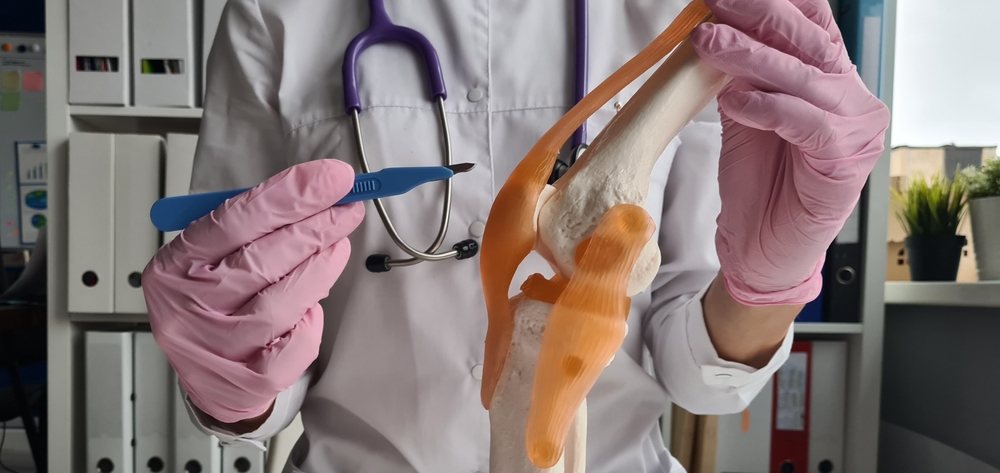
Bursae are small, fluid-filled sacs cushioning areas where tendons and muscles slide over bones near joints. Your knee contains several bursae protecting it during movement. When a bursa becomes inflamed—whether from repetitive pressure, direct trauma, or underlying conditions—it swells with excess fluid, causing pain and limiting knee function.
Common types include prepatellar bursitis affecting the bursa over your kneecap (often from frequent kneeling), pes anserine bursitis on the inner knee below the joint (common in runners and people with osteoarthritis), and infrapatellar bursitis below the kneecap. Each type creates characteristic pain patterns and requires appropriate treatment approaches.
Recognizing Knee Bursitis Symptoms
Knee bursitis presents with distinctive signs:
- Localized swelling over or around the kneecap or other bursa locations
- Pain that worsens when kneeling, climbing stairs, or bending the knee
- Warmth and tenderness in the affected area
- Limited range of motion due to swelling and pain
- Visible fluid accumulation creating a soft, squishy feeling
- Increased discomfort with direct pressure on the bursa
- Stiffness, especially after periods of rest
Unlike arthritis affecting the joint itself, bursitis pain typically localizes to specific areas around the knee and often relates to particular activities or positions.
Why Knee Bursitis Develops
Understanding causes helps prevent recurrence:
Repetitive pressure or friction from activities requiring frequent kneeling (carpet laying, gardening, housework) or repetitive knee bending gradually irritates bursae, triggering inflammation and fluid accumulation.
Direct trauma including falls onto the knee or blows to the kneecap can acutely inflame bursae, causing rapid swelling and pain.
Underlying arthritis in the knee joint creates abnormal mechanics and inflammation that can spread to nearby bursae, causing secondary bursitis.
Tight or weak muscles around the knee create abnormal biomechanics that stress bursae during movement. Tight hamstrings or IT band particularly contribute to pes anserine bursitis.
Infection occasionally causes septic bursitis, typically following skin breaks over the bursa or through blood-borne bacteria. Infected bursae require urgent antibiotic treatment.
Inflammatory conditions like rheumatoid arthritis, gout, or lupus can specifically target bursae, causing inflammatory bursitis.
Obesity increases mechanical stress on knee structures including bursae, raising inflammation risk.
How We Diagnose Knee Bursitis
Diagnosis typically relies on clinical examination identifying characteristic swelling, tenderness, and pain patterns. We assess your range of motion, check for signs of infection, and evaluate biomechanical factors that may have contributed.
Imaging studies help differentiate bursitis from other conditions. X-rays rule out fractures or arthritis. Ultrasound visualizes bursa swelling and can guide aspiration if needed. MRI provides detailed views for complex cases. If infection is suspected, we may aspirate fluid for laboratory analysis.
Comprehensive Knee Bursitis Treatment
Treatment begins with conservative approaches:
Rest and Activity Modification
Avoiding activities that aggravate your bursitis allows inflammation to settle. This doesn’t mean complete inactivity—rather, temporarily modifying how you move and avoiding repetitive pressure on the affected bursa.
Ice and Compression
Regular icing reduces inflammation and pain, especially during the first several days. Compression wraps help control swelling while providing support.
Anti-Inflammatory Medications
NSAIDs reduce inflammation and pain. Prescription-strength options are available when over-the-counter medications don’t provide adequate relief.
Physical Therapy
Once acute inflammation settles, physical therapy addresses biomechanical factors that contributed to your bursitis. Exercises strengthen weak muscles, stretch tight structures, and improve knee mechanics to prevent recurrence.
Bursa Aspiration
For large, painful fluid accumulations, we can aspirate excess fluid using a needle, providing immediate relief and reducing pressure on surrounding structures.
Corticosteroid Injections
For persistent knee pain bursitis treatment needs, injecting corticosteroid directly into the bursa dramatically reduces inflammation. This treatment often provides lasting relief when combined with activity modification and physical therapy.
When Conservative Treatment Isn’t Enough
Chronic, recurrent bursitis sometimes requires surgical bursa removal (bursectomy). This outpatient procedure eliminates the problematic bursa, preventing future episodes. Nearby bursae compensate for the removed one’s function without causing problems.
When to Seek Knee Bursitis Treatment
Schedule an evaluation if your knee swelling and pain persist beyond a week despite home care, rapidly worsen, significantly limit your activities, is accompanied by fever or chills suggesting infection, shows warmth and redness, or recurs repeatedly despite apparent healing.
Early treatment prevents acute bursitis from becoming chronic and identifies underlying factors requiring attention.
Warning Signs of Infected Bursitis
Seek urgent care if you develop fever with knee swelling, rapidly increasing redness spreading from the bursa, severe pain disproportionate to swelling, warmth indicating infection, or if you have diabetes or immunosuppression making infections more dangerous.
Preventing Knee Bursitis Recurrence
After successful treatment, prevention strategies keep bursitis from returning. Use knee pads when kneeling for extended periods. Avoid prolonged kneeling on hard surfaces. Maintain healthy weight reducing knee stress. Strengthen and stretch muscles around your knee as recommended by your physical therapist. Gradually progress activity levels rather than sudden increases. Address arthritis or other underlying conditions contributing to bursitis.
These practices significantly reduce your risk of future bursitis episodes.
What to Expect During Treatment
With appropriate care, most people notice significant improvement within 2-4 weeks. Acute bursitis often resolves completely, though chronic cases may require ongoing management. Your treatment plan will be tailored to your specific situation, activity level, and contributing factors.
We monitor your progress and adjust treatment as needed, ensuring you achieve the best possible outcome.
Watch to Learn More
Why Madison Medical
Our real-time imaging capabilities provide immediate diagnostic answers during your visit, accelerating your path to treatment. We believe in one-stop convenience with integrated physical therapy, chiropractic care, and primary services all under one roof. Personalized treatment plans are tailored to your specific condition, lifestyle demands, and health goals.