


Advanced Vein Treatment for Healthier, Better-Looking Legs
Vein problems affect millions of Americans, causing symptoms ranging from cosmetic concerns to significant pain and discomfort. Modern vein treatment offers effective solutions for varicose veins, spider veins, and chronic venous insufficiency—often with minimal downtime and excellent results.
At Madison Medical, our vein specialists use the latest techniques to eliminate problematic veins and restore healthy circulation. Whether your concerns are primarily cosmetic or you’re dealing with painful, swollen legs, our varicose vein treatment options can help you achieve relief and confidence in your appearance.

Why Choose Madison Medical for Varicose Vein Treatment
Our vein treatment programs combine diagnostic expertise with advanced treatment technologies. We begin with comprehensive venous ultrasound to map your vein anatomy and identify the source of your problems—whether visible veins or deeper circulation issues causing your symptoms. We offer multiple treatment modalities and select the best approach for your specific condition. Many of our varicose vein treatment procedures are performed in-office with local anesthesia, allowing you to return to normal activities quickly.- Vein specialists with extensive experience in venous disorders
- Diagnostic ultrasound for accurate assessment and treatment planning
- Multiple treatment options including sclerotherapy and ablation
- Minimally invasive procedures with rapid recovery
- Compression therapy and lifestyle guidance for ongoing vein health
Our Vein Treatment Services
Sclerotherapy
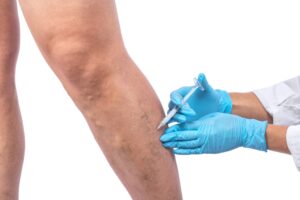
Injection treatment that closes spider veins and smaller varicose veins, causing them to fade and disappear over time.
Endovenous Ablation
Laser or radiofrequency treatment that closes larger varicose veins from the inside with minimal discomfort.
Ambulatory Phlebectomy
Minimally invasive removal of surface varicose veins through tiny incisions that require no stitches.
Venous Ultrasound
Comprehensive imaging to evaluate vein function, identify reflux, and guide treatment planning.
Compression Therapy
Medical-grade compression stockings and wraps that support healthy circulation and treatment results.
Chronic Venous Insufficiency Treatment
Comprehensive management of circulation problems causing leg swelling, skin changes, and ulceration.
Take the First Step Toward Healthier Veins
You don’t have to live with painful, unsightly veins. Contact Madison Medical to schedule your vein evaluation. Our specialists will assess your condition, explain your treatment options, and help you achieve the healthy, comfortable legs you deserve.
Preparing for Your Vein Ultrasound
A vein ultrasound (also called a venous duplex scan) is a painless, non-invasive test that uses sound waves to look at the veins in your legs and check how well blood is flowing. It helps our providers find the cause of symptoms like leg pain, swelling, heaviness, cramping, or visible varicose veins.
Before Your Appointment
Complete your vein screening form.
Please fill out the screening form [link] before your visit so our team can review your history ahead of time.
No fasting needed.
You can eat, drink, and take your regular medications as usual unless your provider tells you otherwise.
Wear comfortable, loose clothing
Shorts or loose pants are ideal, since we'll need access to your legs from the groin to the ankle. A gown may be provided.
Skip lotions and oils on your legs
he day of your exam. They can interfere with the ultrasound.
Compression stockings
If you wear them, you may wear them to your appointment. You'll remove them for the exam, so bring a bag if you'd like.
Bring
Your photo ID, insurance card, any referral [if required by your plan], a list of current medications, and any records of past vein procedures or blood clots.
Arrive 15 minutes early
To check in.

What to Expect During the Exam
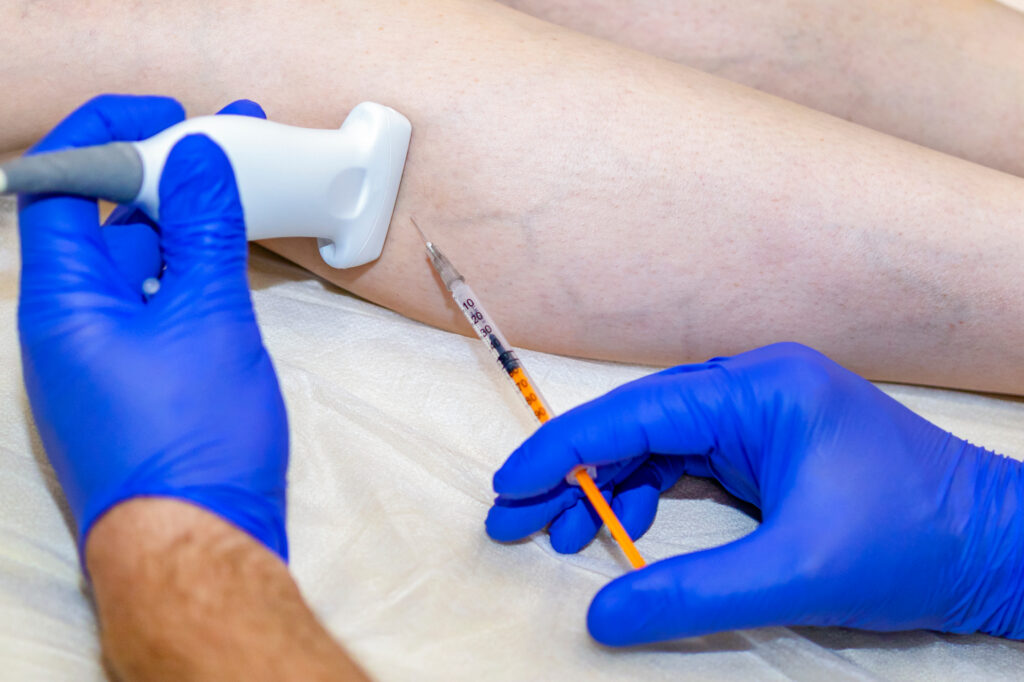
The test takes about [30–60] minutes. A technologist will apply a warm gel to your legs and move a small handheld device over the skin. You may be asked to stand or change positions, and the technologist may gently press on your leg or calf to check blood flow. You might feel light pressure, but the exam shouldn’t be painful.After Your Vein Ultrasound
- No downtime. You can drive yourself home and return to your normal activities right away.
- Getting your results: Your images will be reviewed by our provider or a physician. The technologist isn’t able to share results during the exam. We’ll go over your results at your follow-up visit or by phone within the confirmed timeframe.
- Next steps: Depending on your results, your provider may recommend a follow-up consultation, compression therapy, lifestyle changes, or treatment options. Some insurance plans require a trial of compression stockings before covering vein treatment, and our team will help guide you through that.
- Questions? Call us at 973-377-6700.
If you experience sudden shortness of breath, chest pain, or coughing up blood, call 911 right away. These can be signs of a blood clot that has traveled to the lungs.
Vein Ultrasound FAQs
No. The exam is painless and non-invasive. You may feel light pressure as the technologist moves the device over your legs or gently presses on your calf, but there are no needles and no radiation.
Most vein ultrasounds take about [30–60] minutes. Please plan a little extra time for check-in.
It depends on your insurance plan. Some plans require a referral or prior authorization before your exam. Our team will verify your coverage and let you know if anything is needed before your appointment.
In many cases, yes, when there’s a medical reason for the test, such as leg pain, swelling, or a history of blood clots. Coverage varies by plan, and we’ll check your benefits ahead of time.
Common reasons include leg pain, aching, or heaviness; swelling in the legs or ankles; cramping or restless legs, especially at night; visible varicose or spider veins; skin discoloration near the ankles; or a personal or family history of blood clots. If any of these sound familiar, complete our screening form [link].
Yes. No fasting is needed, and you can take your regular medications unless your provider tells you otherwise.
Your images are reviewed by [our provider / a physician], and we’ll go over your results [at your follow-up visit / by phone within X business days]. The technologist can’t share results during the exam.
Your provider will walk you through your results and recommend next steps. These may include compression therapy, lifestyle changes, or treatment options. Some insurance plans require a trial of compression stockings before covering treatment, and our team will help guide you through that.
Not always. Varicose veins can be a sign of venous insufficiency, a condition in which the valves in your veins don’t work properly. Left untreated, it can lead to worsening swelling, skin changes, or leg ulcers. An ultrasound helps determine what’s going on beneath the surface.